Official Saudi government websites end with
gov.sa
Government websites use the protocol
HTTPS
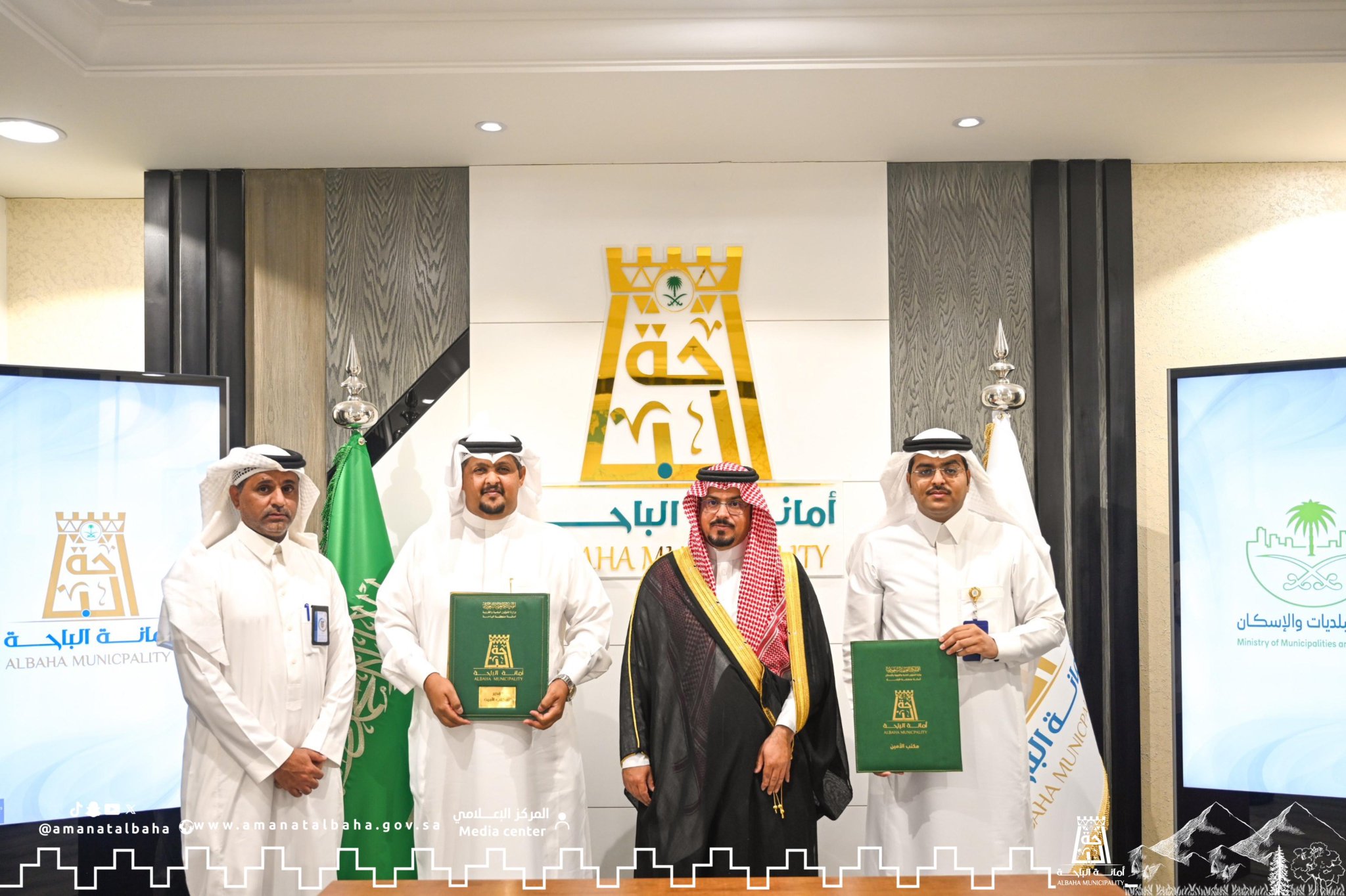
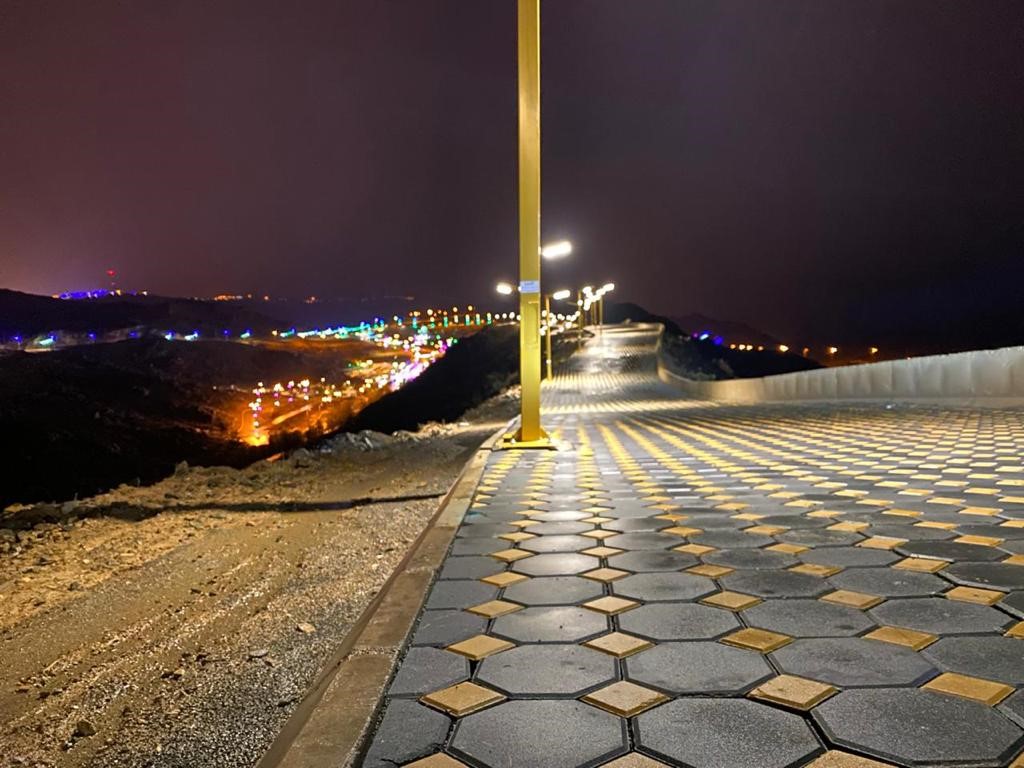
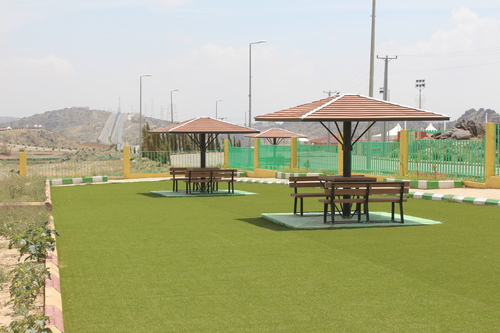
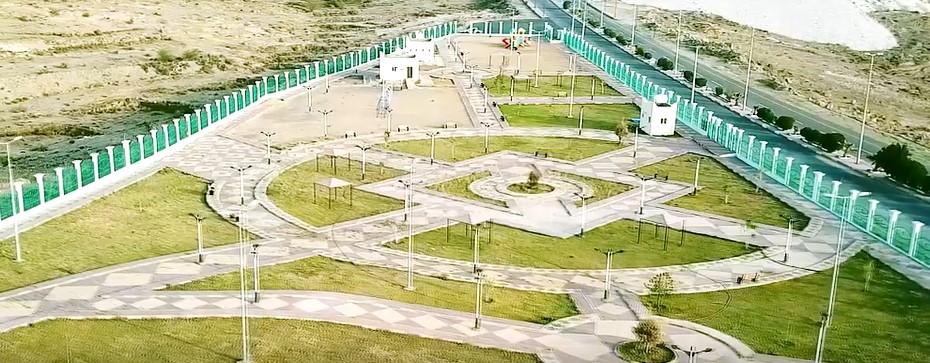
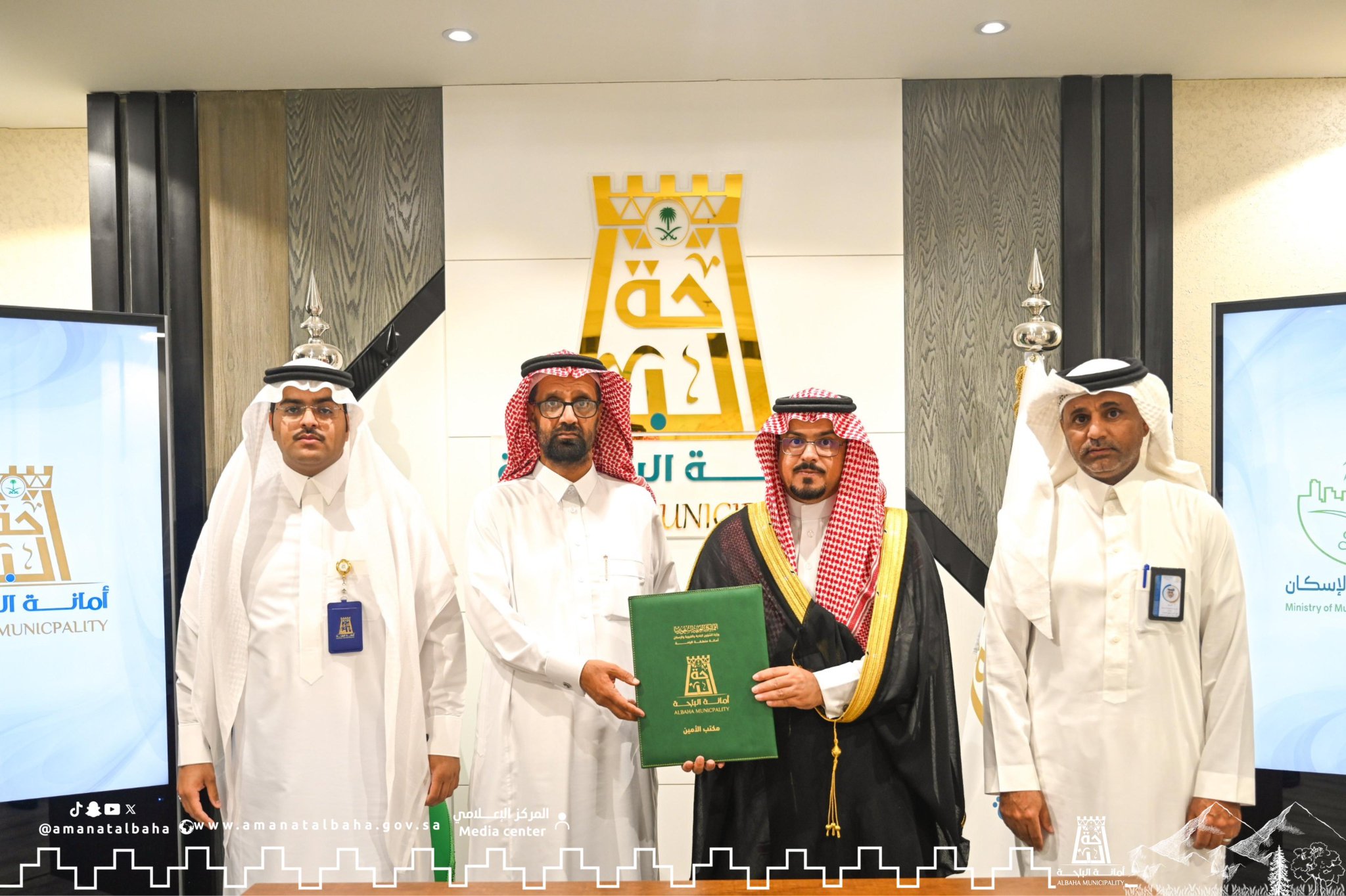
In a step towards promoting health and community well-being, The Secretary of Al-Baha Region, Dr. Ali bin Mohammed Al-Sowat, signed a contract for the construction of a sports walkway in Al-Qara Governorate, at a total cost of 1,427,000 riyals. This project comes to provide citizens with a distinctive sports environment that contributes to enhancing their health and fitness, and is a qualitative addition to the services provided in the region.
Under the patronage of The Secretary of Al-Baha Region, Dr. Ali bin Mohammed Al-Swat, Al-Qara Municipality signed investment contracts for a number of vital projects that will contribute to achieving sustainable development in the region. These contracts include the establishment of a Class A fuel station and a number of other commercial projects. This achievement comes within the framework of the regional municipality's keenness to attract investments, provide job opportunities for young people, and enhance the services provided to citizens.
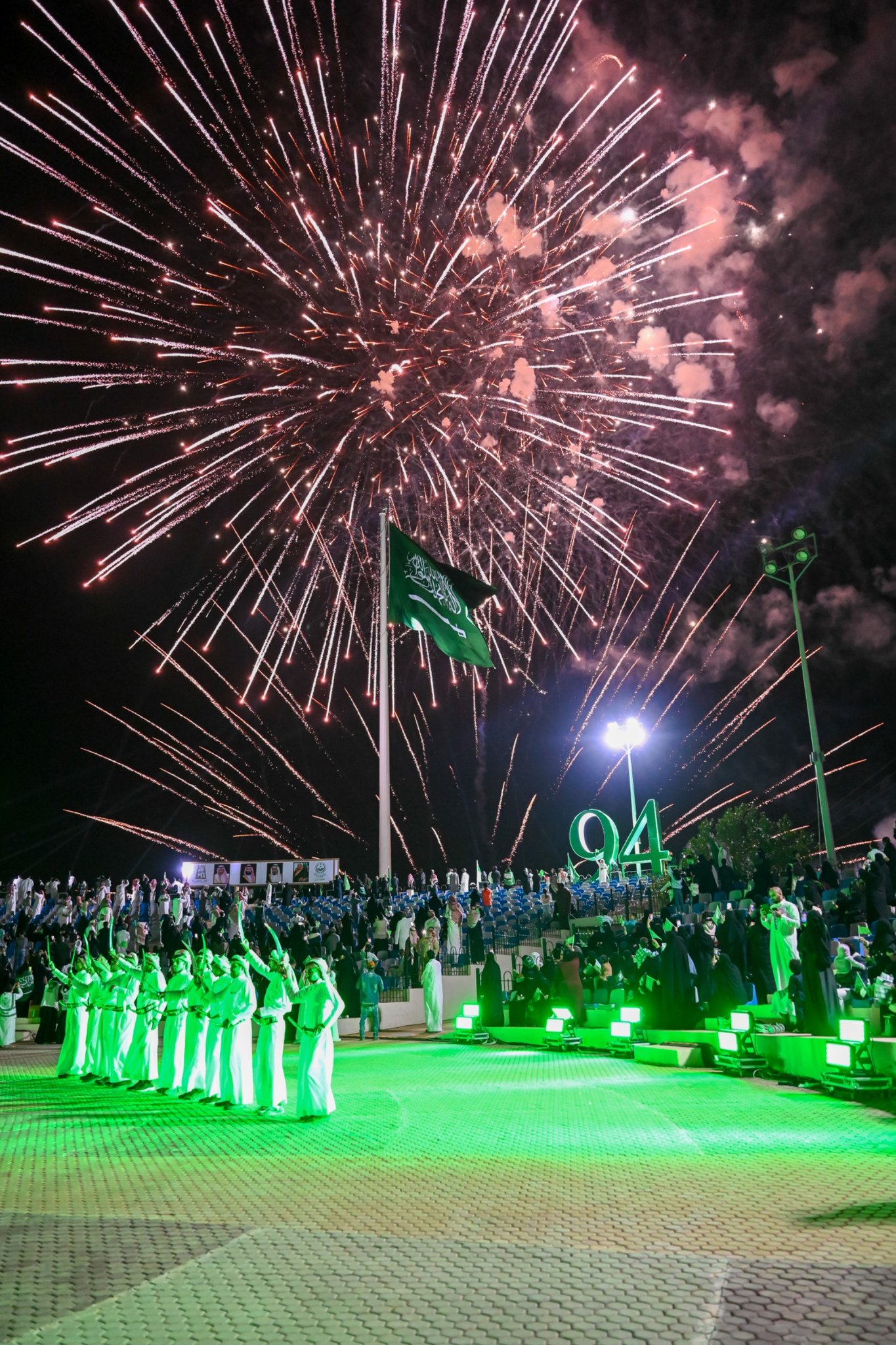
The people of Al-Qara Governorate celebrated the 94th Saudi National Day at Al-Shaabiya Square in Al-Ashta'a. The ceremony witnessed wide participation from the people who expressed their great joy on this national occasion.
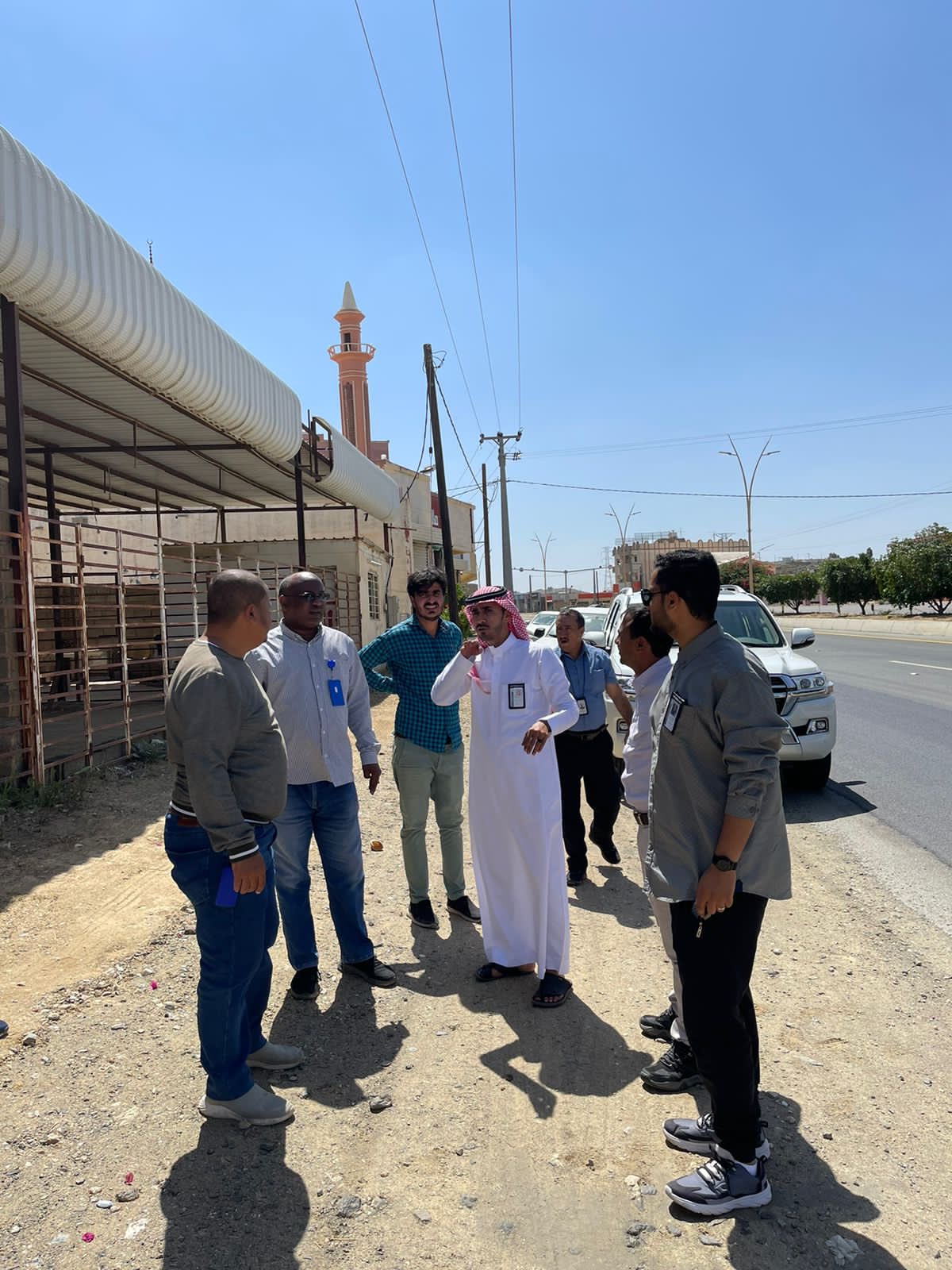
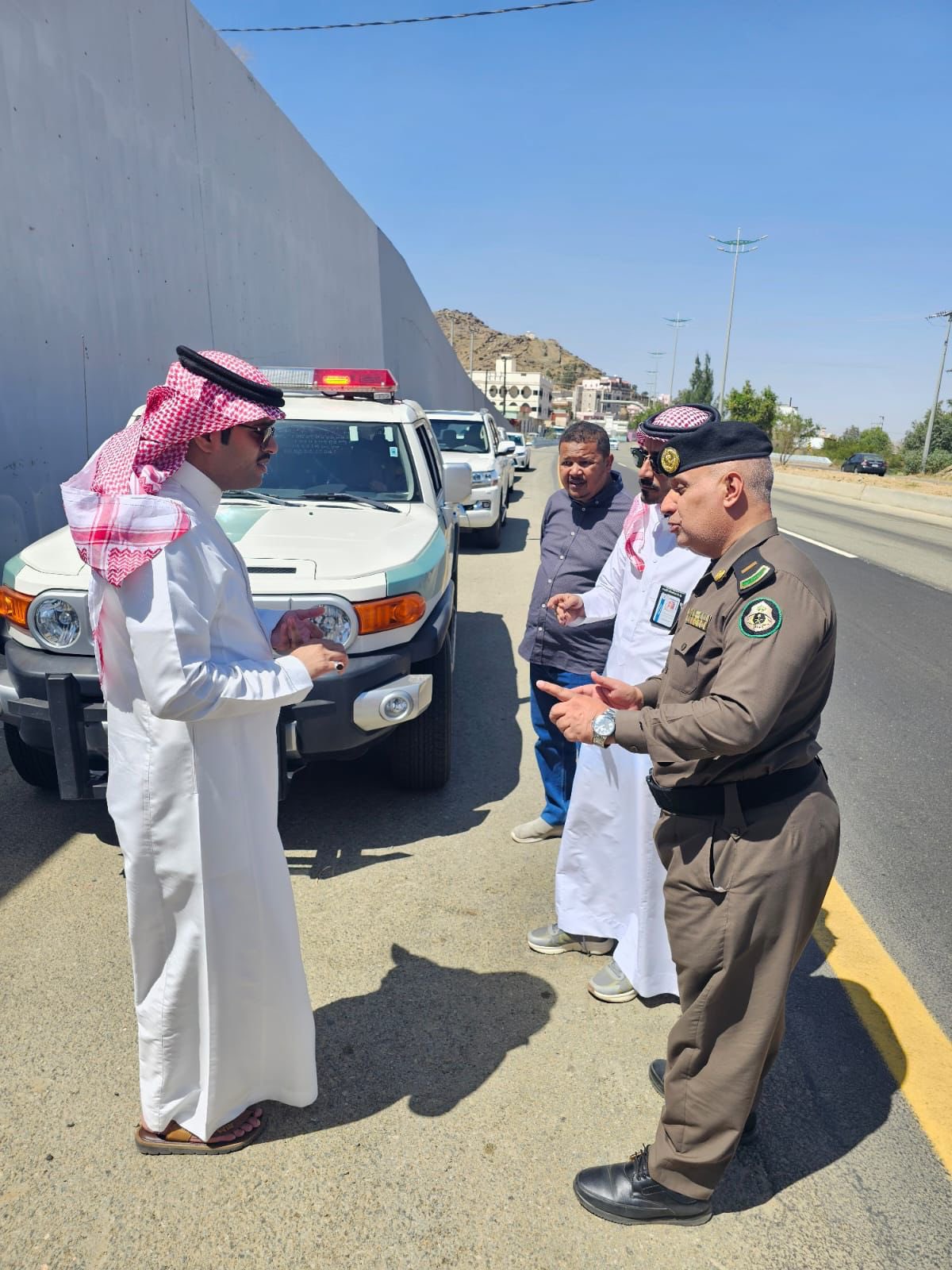
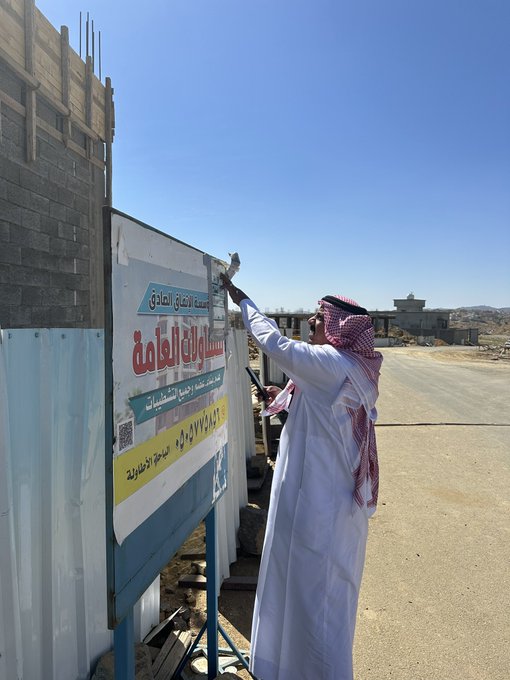
The Municipality of Al-Qura Governorate, represented by the Environmental Health Department, continues its inspection tours of facilities related to public health, to ensure their compliance with health requirements and preventive measures, in order to ensure the safety of the citizen and resident.
The Municipality of the Villages Governorate, represented by the Services Department, continues to clean the roads inside the villages of the governorate and remove weeds and harmful trees as part of its efforts to improve the urban landscape.
In support of the Saudi national team in the 2022 World Cup, the screens of the municipality of Al-Qura Governorate are adorned with its slogan and supportive phrases.
The Municipal of Al-Qura Governorate, represented by the Services Department, continues the work of automated sweeping of the main streets, as part of its operational plan for the cleanliness of the governorate
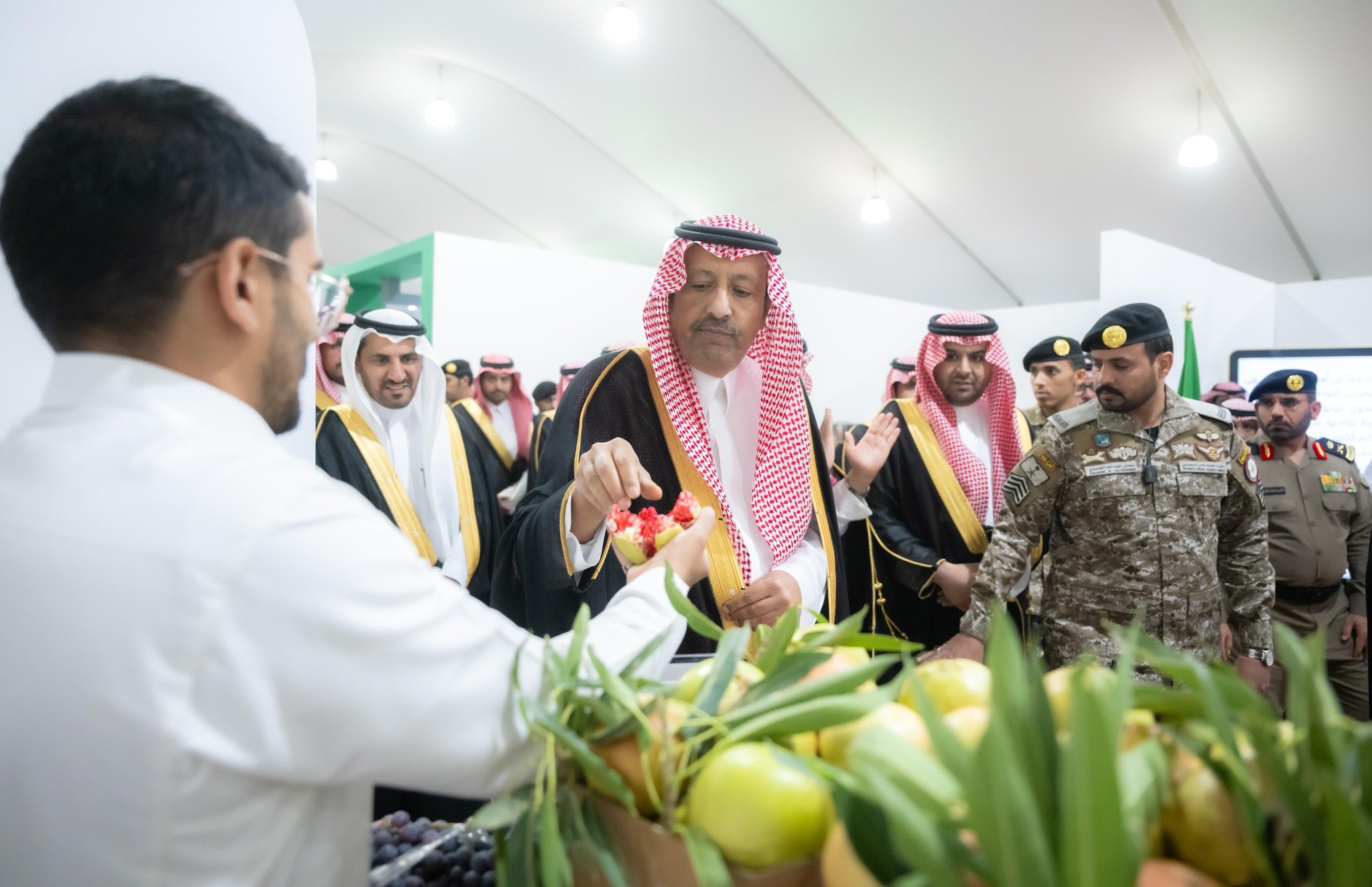
It included exhibits of popular cuisine, handicrafts, heritage products, weaving and embroidery Incense and perfume industry, embroidery and sewing
The Mayor of Al-Baha Region issued a decision by Dr. Ali bin Muhammad Al-Sawata to assign Eng. Muthkar bin Al-Hussein Muthakir Al-Zahrani as an assistant for projects in addition to his current work as Director of the Buildings Department.
Site area: 2181.4 square meters
Site area: 17800 square meters
مساحة الموقع : 1822 متر مربع
مساحة الموقع : 2089 متر مربع
Site area: 1755.21 square meters
Site area: 1881 square meters
Opening and asphalting all internal roads in the Maadi scheme
Rehabilitation and development of King Abdulaziz Road, Villages Governorate Municipality
Rehabilitation and development of roads, streets and lighting, Municipality of Al-Qura Governorate
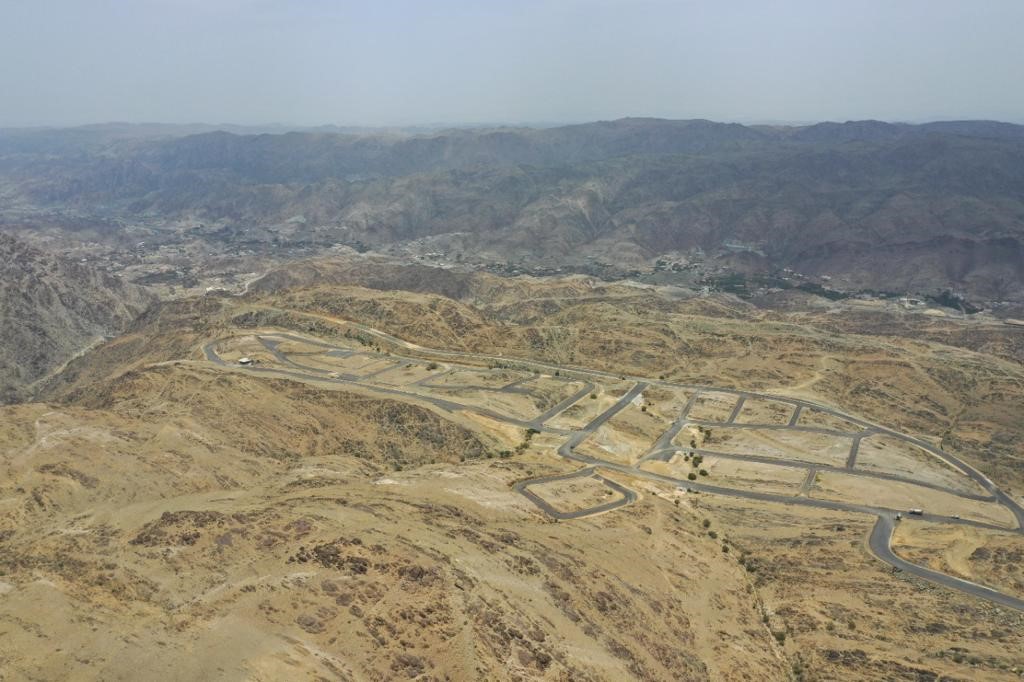
Development and rehabilitation of the National Tharwa Park Road Municipality of Al-Qura Governorate
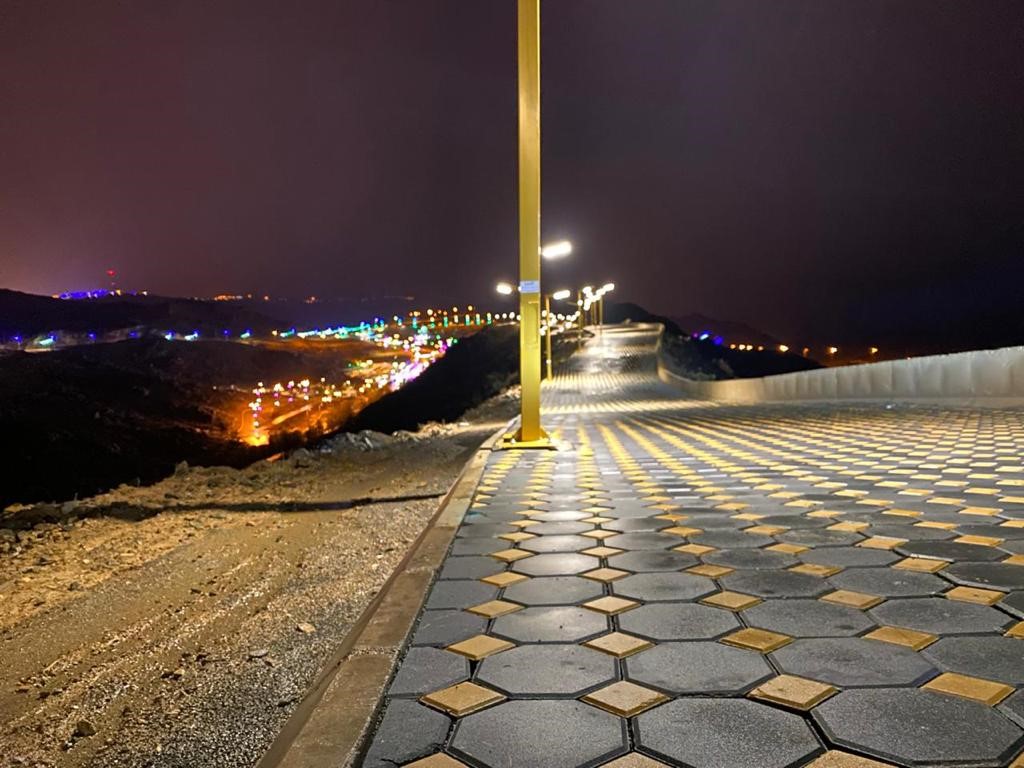
Rehabilitation and development of roads, streets and lighting, Municipality of Al-Qura Governorate
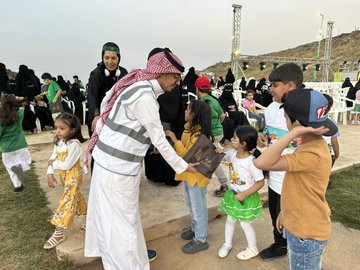
As part of the activities celebrating Saudi National Day 93, the Municipality of Al-Qura Governorate, represented by the Department of Community Initiatives and Partnerships, distributed national gifts to the public present at the celebration of the people of the governorate on the occasion of National Day 93
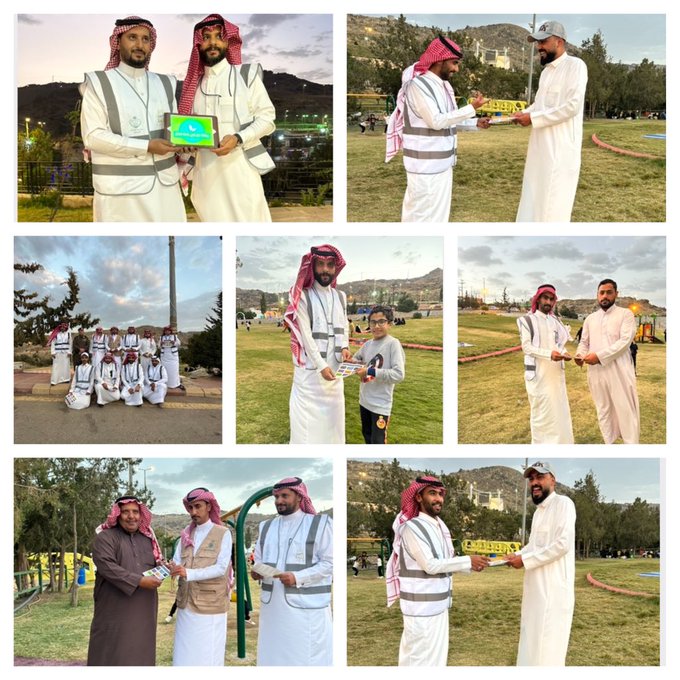
The Municipality of the Villages Governorate, in partnership with the Villages Governorate and the Social Development Center in Al-Baha, and with the participation of the volunteer team of the Municipality Volunteer Team, participates in the initiative "Our environment is different in baha goodness" which was inaugurated by His Highness the Emir of Al-Baha region In conjunction with the Saudi and International Volunteer Day As a qualitative initiative concerned with the environmental field
Distribution of gifts on the occasion of the National Day 92 The
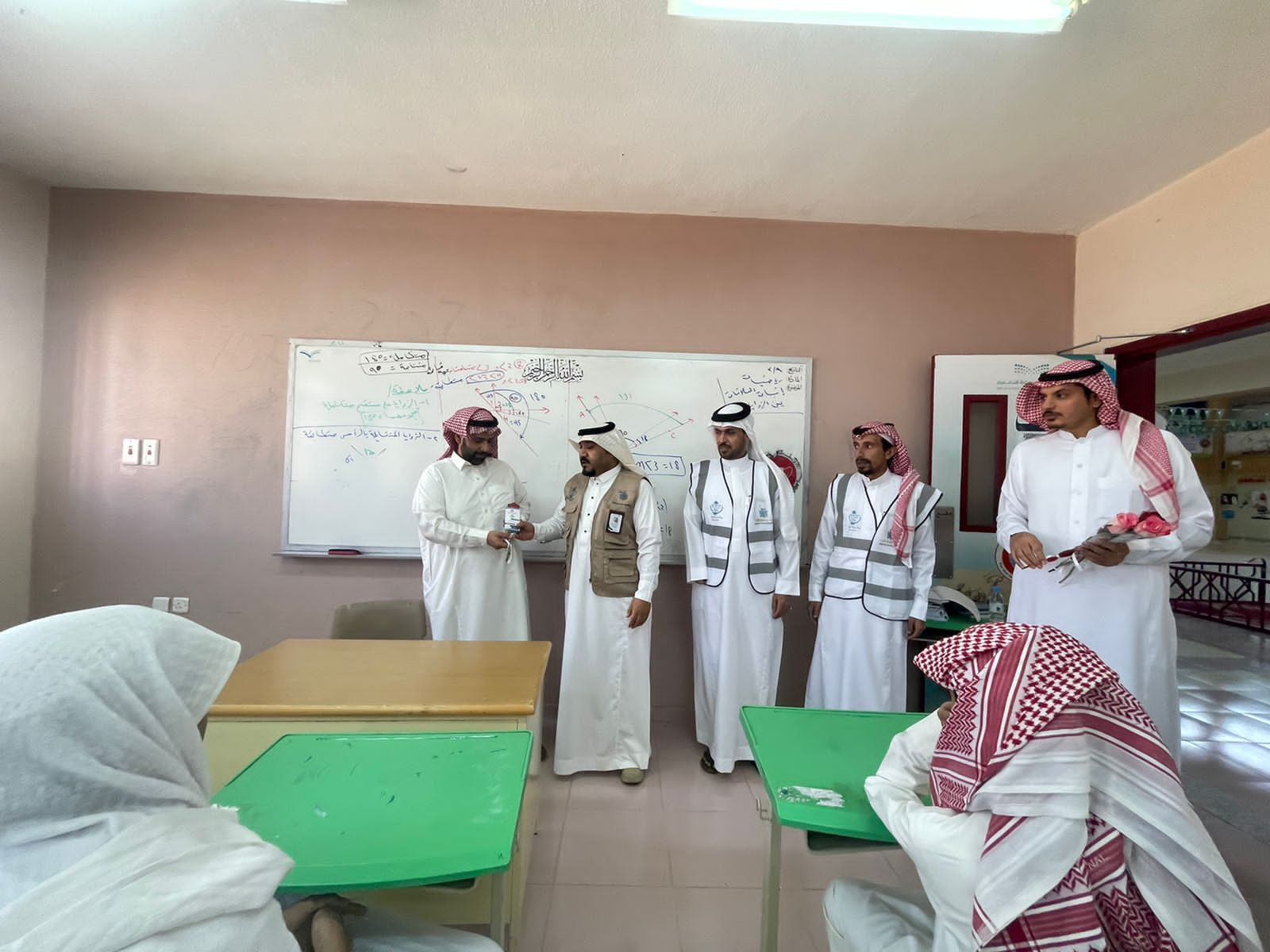
Distributing patriotic gifts to school students as part of the 92nd National Day celebration
Villagers’ celebration and distribution of gifts to visitors and wearers on the occasion of the 92nd National Day
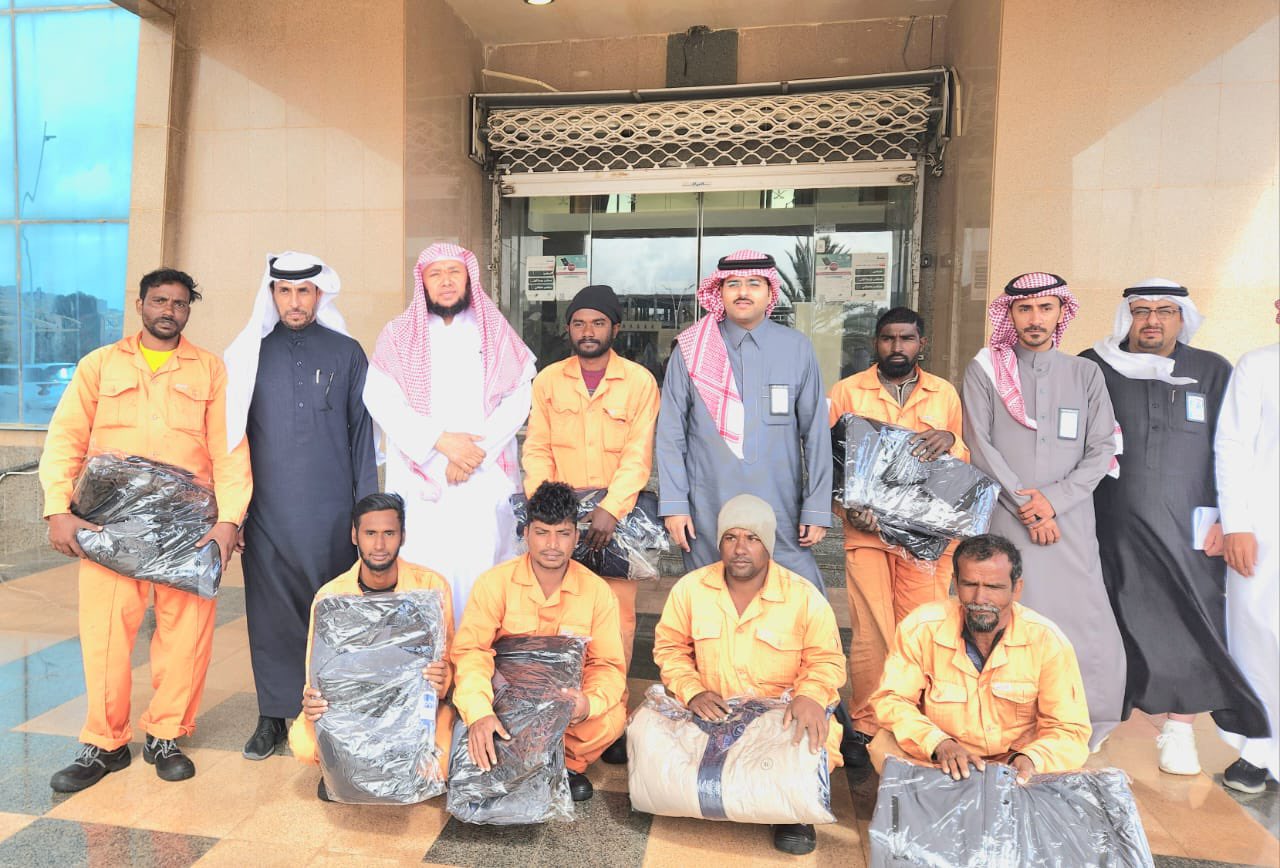
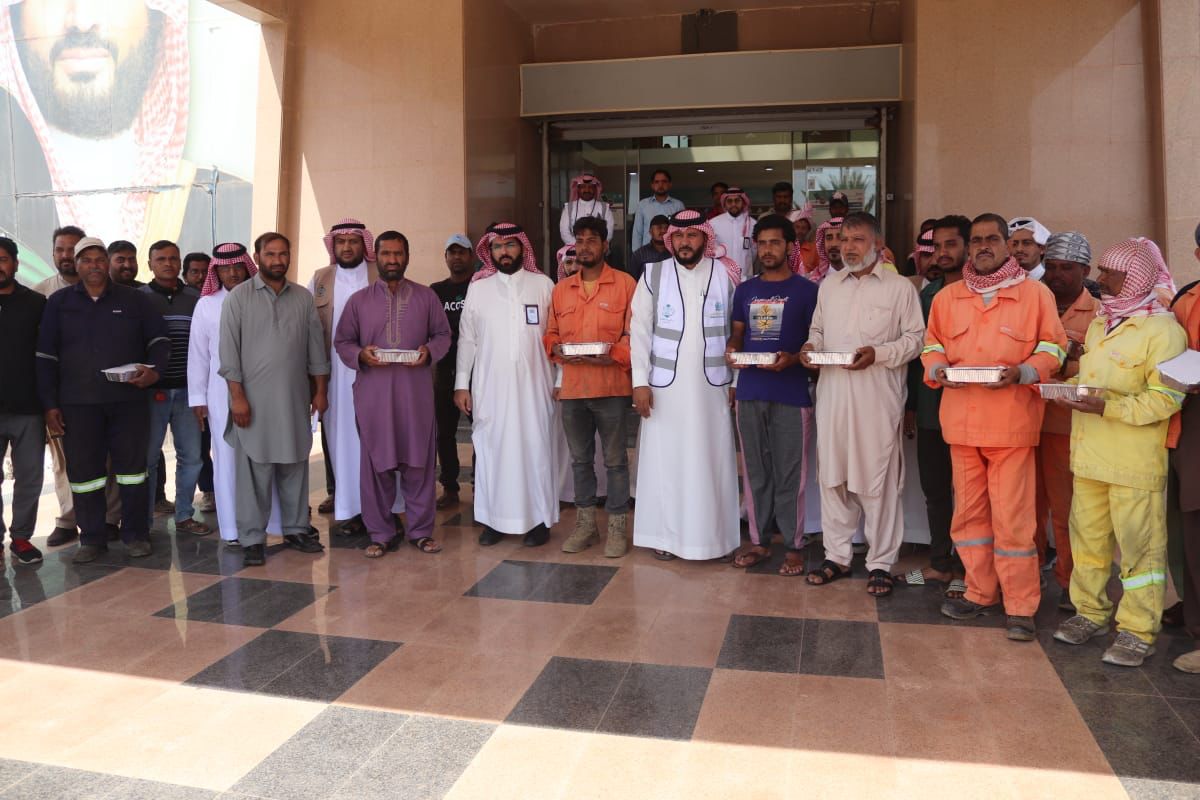
Ikram initiative by distributing meals to municipal workers
The Municipality of Al-Qura Governorate invites a number of (8) citizens who have requests to replace the invalid plots, to attend the public lottery, on Tuesday 02/27/1445 AH at exactly ten o'clock in the morning at the municipality's headquarters in the Department of Lands and Cases
The Municipality of the Villages Governorate announces its desire to sell (damaged scrap cars) with approximately (80 tons and 27 cars)
The Municipality of the Villages Governorate announces its desire to sell (46 optical distortion cars for citizens)
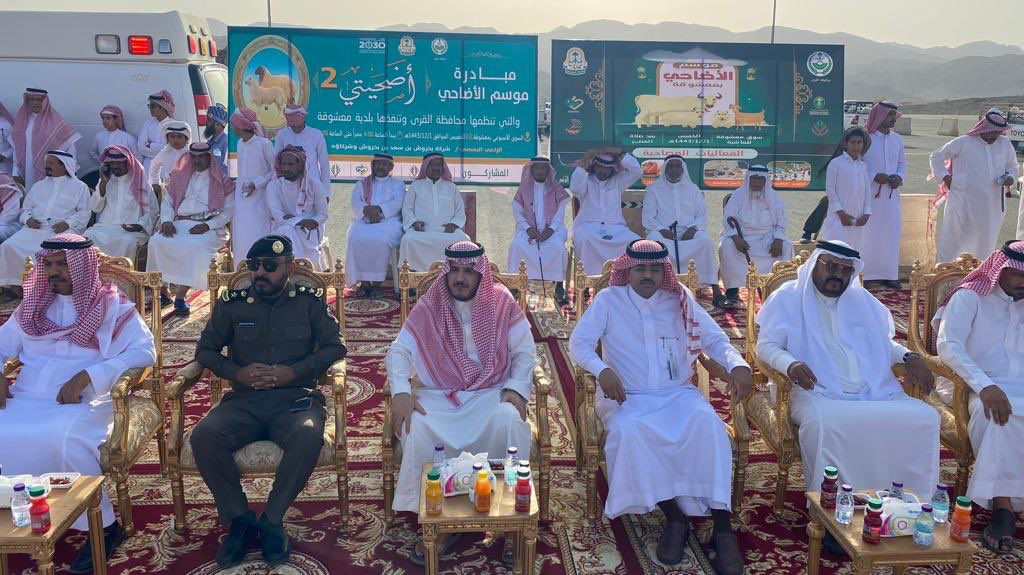
A celebration by the people of Al-Qura Governorate on the occasion of National Day 93, in the presence of His Excellency the Governor of Al-Qura Governorate, Mr. Abdullah bin Saad Al-Damer, His Excellency the Mayor of Al-Qura Governorate, Mr. Ali bin Muhammad Al-Ghamdi, directors of government departments, sheikhs, and people.
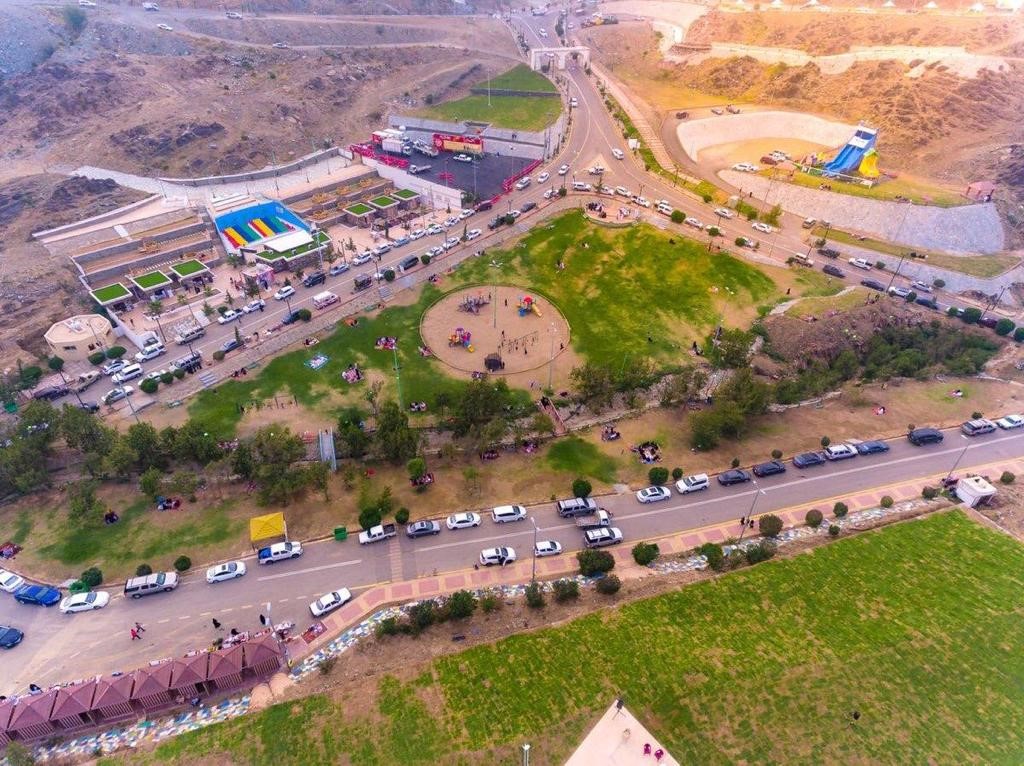
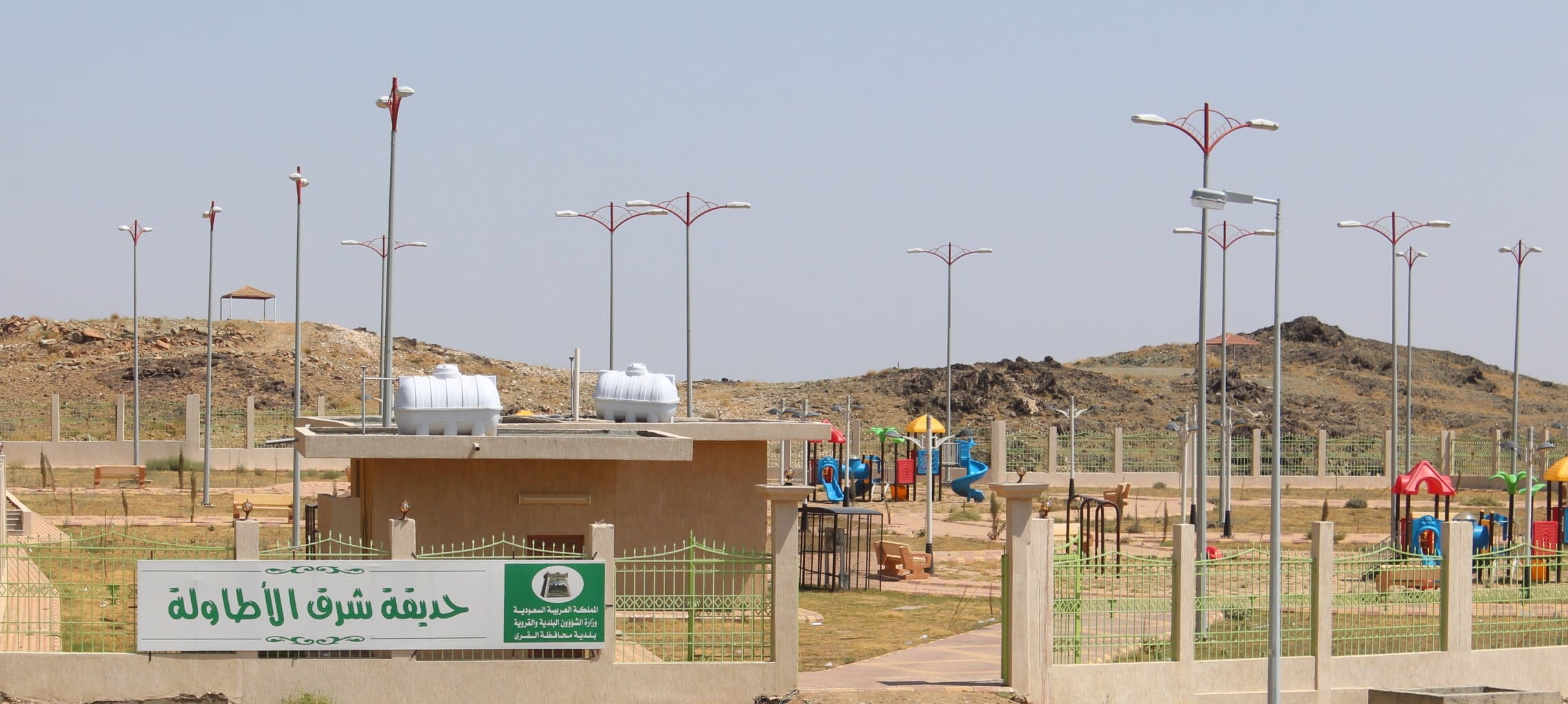
It is located near the popular square, and it is characterized by family gatherings, amusement parks, and all services such as toilets and umbrellas
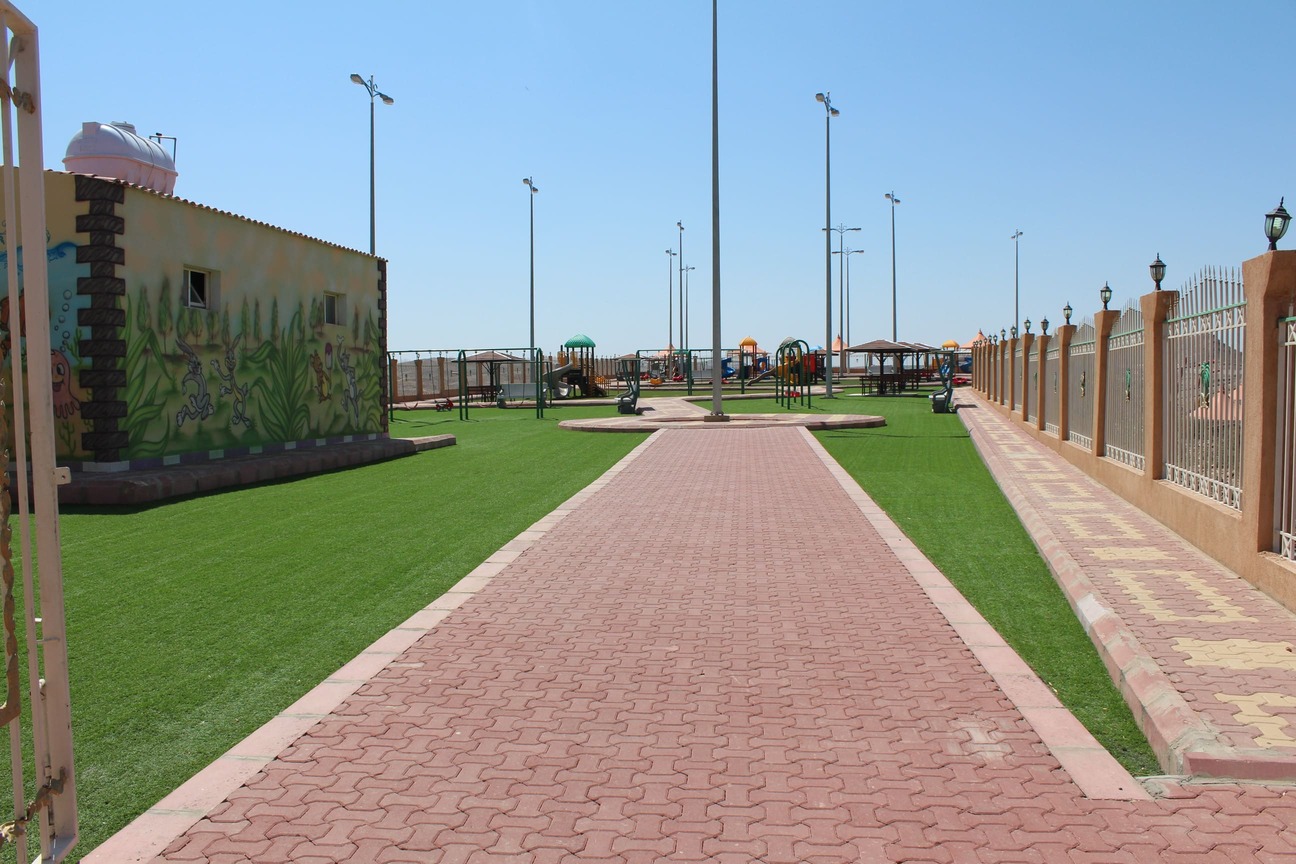
It is located next to the General Village Hospital and contains a number of children's games and green areas
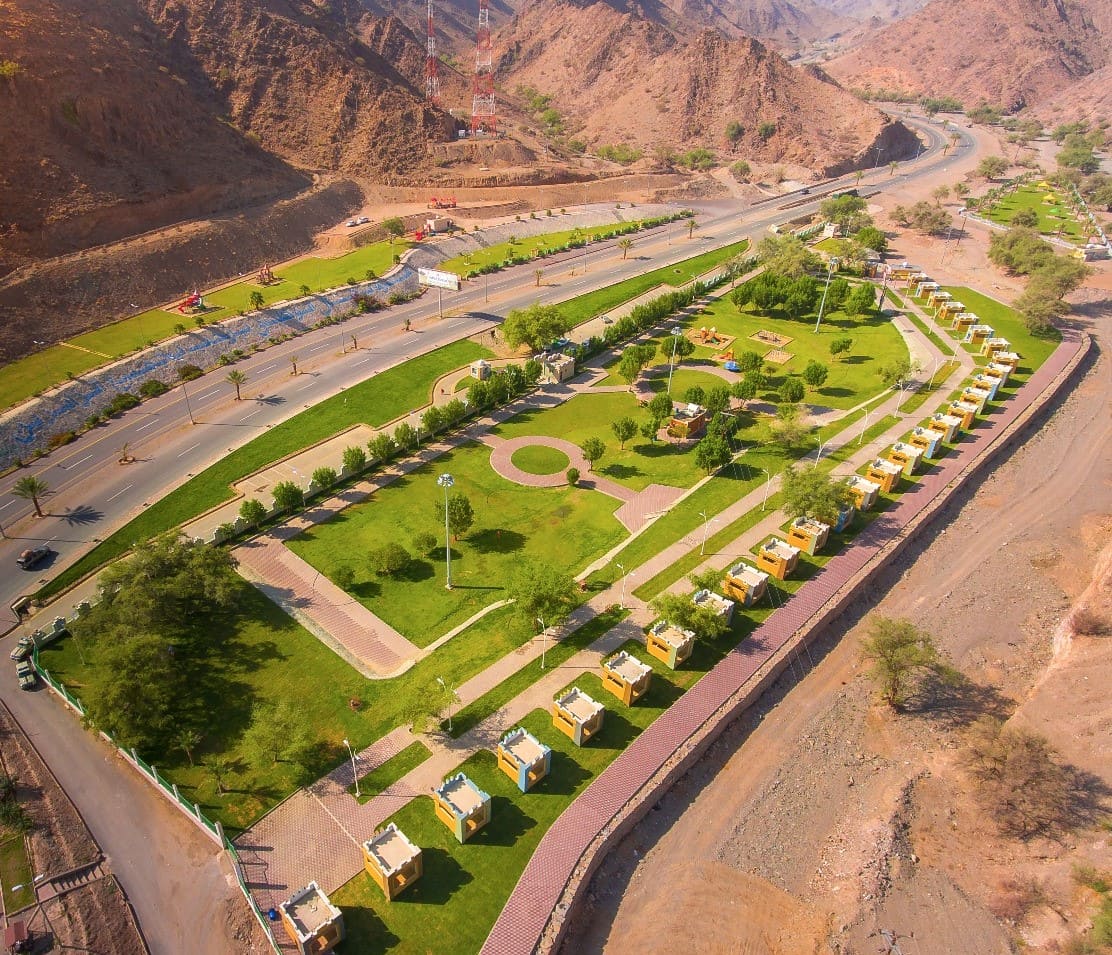
It is characterized by green spaces, amusement parks, and all services such as toilets, etc., and its strategic location, which overlooks Wadi Bidah
In the first handshake of a visitor to the Al-Qura Governorate and the Al-Baha region, as the Al-Qura Governorate is the mouth of Al-Baha, and Nakhal Park has services, sessions, flats, and beautiful scenery that qualifies it to be the northern face of the governorate.
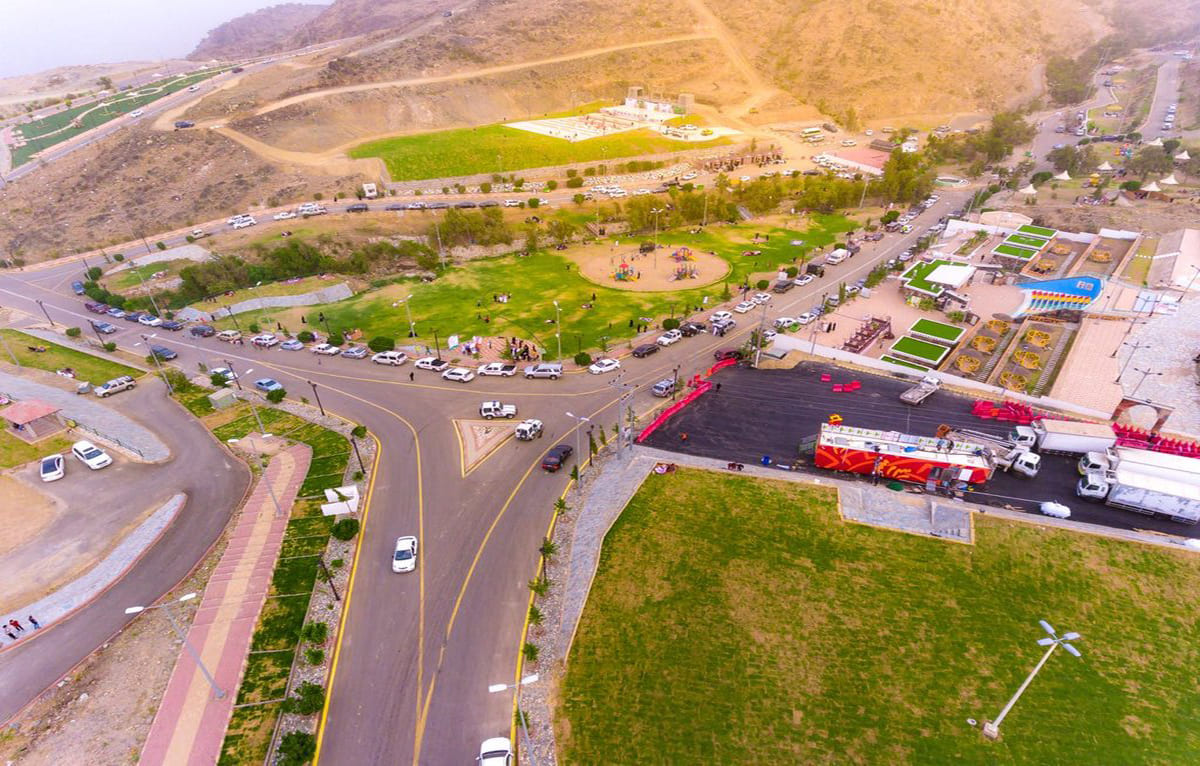
One of the most prominent tourist attractions in the region and combines the advantages of a modern park with its planning and relative integration, and a wild park with its geography and calmness. This park has many services provided to visitors to the region, including a theater for events, a children’s theater and cabins for parks that provide them with privacy, as well as sites for productive families and many entertainment facilities for children and their families and sessions Large and small, shaded and open, and green spaces for families to sit and create designs that mimic the nature of the area
It is located on King Abdulaziz Road, above the Shamrock Mountains. The garden has an attractive view. The garden contains children’s games and a hexagonal playground.
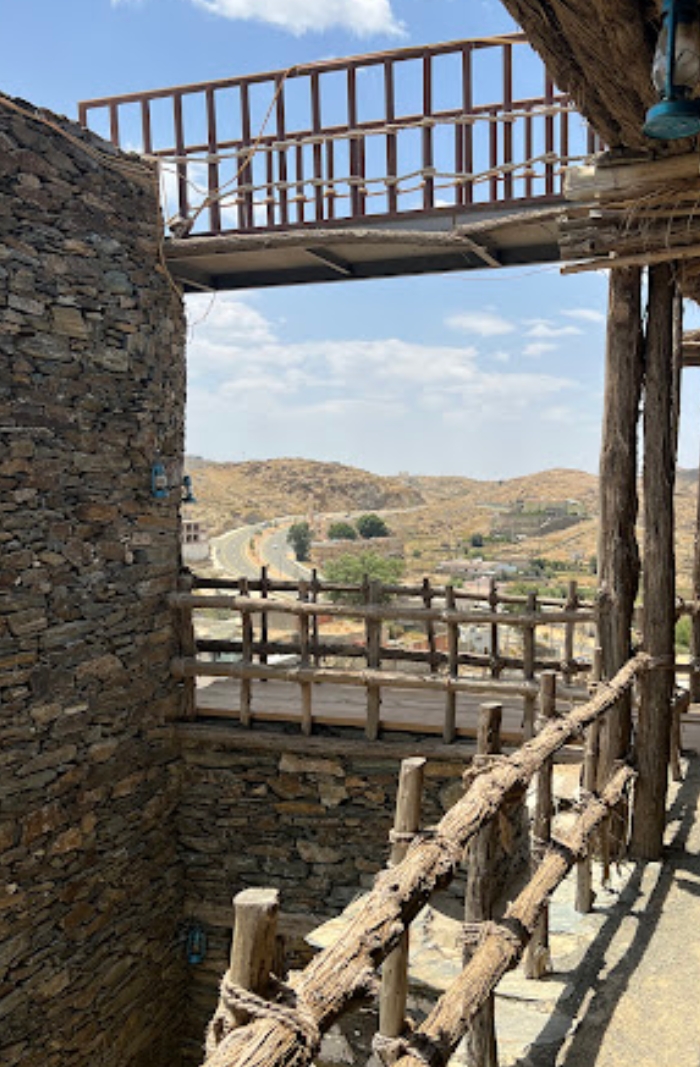
Al-Ayyinah Fort is located in Al-Qura Governorate, 40 km from the center of Al-Baha city to the north. The general shape of the fort is pyramidal with a square base, with a lower base of 8 m and an upper base of 6 m. The fort was built using the method of load-bearing walls, which are mainly composed of stones with a tower height of 11 m and different sizes (rock fractures) and then : They were shortened. They were stacked on top of each other in an artistic way that requires high professional expertise, and this was done by stacking, building, interlocking and compositions with stones cut from the inside with a thick layer of decorative formations in clay and mud. The use of . The tops of the facades of the buildings, which are protrusions in the border of the facade, are installed. The same stones on the stones protruding from the boundary of the building are called “towers” and are used to protect the house from thieves climbing onto the roofs. In a number of them, white marrow stone was used to create triangular decorative formations. The roofs were built using the trunks and branches of trees available in the region, such as the juniper tree. It also contains a small door and small openings (talaqat), and at the top there is a small rectangular opening that leads to a small wooden balcony.
The village is located north of Al-Atawla, about 5 km from it, and about 37 km from the center of Al-Baha city, and includes the forts of the war leader Kharoush bin Allas Al-Zahrani, which is part of the village of Al-Adiyah of the Quraysh tribe of Zahran. The houses of the village are spread on the two opposite hillsides and are crossed by a modern street that separates them, and it is likely that they used to form a continuous urban extension, and it is noted that there are a number of modern buildings within the heritage complex of the village, although the village appears meek and beautiful, in harmony with the nature of the steep terrain. The old heritage complex in the village includes a group of neighboring residential buildings consisting of one or two floors, but they are partially dilapidated and abandoned. Cylindrical towers that are part of the fort are clearly visible through them. The Bakhrush Fort is the most important building in this heritage complex, characterized by its large area and circular towers, but it is partially dilapidated. It was built using monolithic volcanic stones of varying sizes, shapes and colors, and was installed on top of each other in an artistic way that requires high professional expertise, and was shortened on the inside with a thick layer of mud and mud. The roofs were also built using tree trunks and wood with a square section and a layer of tree branches, and on top of that, mud and mud
The village of Sabiha Al-Oliya is located in the Al-Baha region, about 12 kilometers from Al-Atawla towards the north, and is bordered to the north by the village of Nakhal and Sabiha Al-Sufla, to the west by the village of Karadsa, the village of Dahwat and the village of Hadha, to the south by the village of Mahwiyah, and to the east by the village of Nakhal, which is one of the villages of Bani Adwan in Zahran, and is considered the capital of Bani Adwan. The heritage village is located on the top of a mountain surrounded by a number of rocky mountains devoid of crops, overlooking Wadi Nadhal, and the heritage village consists of a group of buildings spread on the foot of a hill. Most of its houses consist of one or two stories, and the majority of the village's houses are partially dilapidated and abandoned. The overall appearance of the village is in harmony with the natural slope of its location, despite the distortion caused by the construction of a number of modern buildings adjacent to the cluster of heritage buildings on the eastern side, resulting in the appearance of the village as an architectural fabric expressive of the local pattern of heritage village planning. The buildings were built using monolithic volcanic stones of varying sizes, shapes and colors, and were installed on top of each other in an artistic way that requires high professional expertise, and were shortened from the inside with a thick layer of mud and mud. It is noteworthy that building craftsmen were creative in the formations of external facades and architectural openings through stone protrusions and the use of solid stone in the construction of external stairs in a number of houses! houses. In addition to dealing with the natural rocky and sloping nature of the land. Roofs were built using tree trunks and a layer of tree branches, topped with mud and clay. In a number of houses, roofs resting on rectangular wooden poles topped with a larger piece of wood that resembles the crown of the pole, known locally as a
The village of Al-Hakman is located north of Al-Baha city center, about 25 km from it, and it is one of the abandoned villages that is considered the headquarters of the sheikhdom of the Bani Jandab tribe, and it is bordered to the north by the Quraysh tribe, to the south by Bani Bashir, to the east by : Bani Bashir and Quraysh, and from the west Bani Kinana. Most of its houses consist of . One or two stories, they are adjacent to each other and most of them are abandoned. Their walls were built using stones stacked on top of each other in an artistic way that required high professional expertise, and were shortened on the inside with a thick layer of mud and milk. They were built using stone according to the shape of its natural section, which is of varying sizes and shapes, and were installed in a high-quality technical manner and in a monolithic manner to ensure the cohesion of the walls. It is noteworthy that the craftsmen were creative in installing the stone by alternating between a layer of stone and a layer of small stones, thus taking advantage of the available stones from the construction site. Roofs were also built using tree trunks, a layer of tree branches, and mud and clay on top. In a number of houses, roofs were built on rectangular wooden poles topped with a larger piece that resembled the crown of the pole, known locally as the mizrahi. The mizrahi is a distinctive architectural element of this architectural style in this region. However, in most of the houses in this village, it is unadorned and consists of a piece of a tree trunk according to its natural shape. The doors and windows of the houses were characterized by their simplicity and lack of decorations. In general, the houses of this village are characterized by simplicity in their construction and architectural details, as if they were built according to the available building materials
Al-Ghattameya village is located on the eastern side of Wadi Baida on the public road, about 8 km northeast of Al-Atawla village. It is a heritage village located on a rocky slope with little elevation, and consists of a number of residential buildings, most of which are adjacent to each other and were built on the natural sloping ground, which required the builders to deal with special treatment in reinforcing the facades of the buildings. As a result, the buildings appeared monolithic and supported like a castle on the top of the mountain. Most of the houses are one or two stories high, abandoned and partially dilapidated. The juxtaposition of the buildings resulted in the appearance of the village as an architectural fabric expressive of the local style of heritage village planning. The village is surrounded by a number of forts, some of which are up to 15 meters high. Their walls were built The walls were built using stones stacked on top of each other in an artistic way that requires high professional expertise, and were reinforced on the inside with a thick layer of mud and clay. It is noteworthy that building craftsmen were creative in the formations of external facades and architectural openings through stone protrusions and external stone staircases. The facades consisted of large and solid stones. The roofs were also built using tree trunks and trunks, and a layer of Ti was installed on top of them. shake and which : Tree branches, topped with clay and mud. In a number of houses, roofs were built on rectangular wooden poles topped with a larger piece of wood that resembled the crown of the pole, known locally as a mizrahi. The mizrah is considered a distinctive architectural element of this architectural style in this region. The doors and windows of the houses were characterized by their thickness and were made of thick logs. A decorative wooden frame can be seen around the architectural openings. Since no modern buildings were observed within the boundaries of the heritage village or adjacent to it, the
The village of Mahwiyah is located at the foot of Mount Shamarkh, north of the village of Al-Atawla, about 10 kilometers from it, and the Taif Al-Baha road passes next to it, and on its western side there is Mount Munawar, and it is one of the villages of the Bani Harir tribe in Sarat Zahran, Sarat Zahran. The heritage village consists of a group of buildings stretched on the slope of the mountain, which is rocky and difficult terrain, and most of its houses consist of one or two floors, and the majority of the village's houses are partially dilapidated and abandoned. In general, the village appears homogeneous with the natural slope of the land, and a few modern buildings were observed adjacent to the cluster of heritage buildings. The juxtaposition of the buildings has resulted in an architectural fabric that reflects the local style of heritage village planning. The buildings were built using monolithic volcanic stones of varying sizes, shapes, and colors, and were installed on top of each other in an artistic way that required high professional expertise, and were shortened on the inside with a thick layer of mud and mud. It is noteworthy that the craftsmen were creative in dealing with the sloping rocky terrain. The roofs were built using tree trunks and branches, with mud and mud on top. There are a number of decorations that adorn the windows and doors of a number of houses in the village. There are a number of wooden balconies that were built using tree trunks to take advantage of the beautiful view of the surrounding area. One of the houses is distinctive in that it was built in a pyramidal shape and the upper part of its facades was decorated using triangular shapes of white marrow stone.
Al-Qahad village is located on a hill in Wadi Quraysh, north of Al-Baha city center, about 36 km from it, and is inhabited by the Quraysh Zahran tribe. The village consists of a number of heritage residential buildings, most of which are adjacent to each other and were built on the natural sloping ground. Most of its houses consist of one or two floors, and other buildings appear elevated from their neighbors as a result of the steepness of the village's location, and appear like a castle whose houses are superimposed on top of each other. They are abandoned and partially dilapidated. Modern residential buildings in VV. One side of the cluster of old buildings. The juxtaposition of the buildings resulted in the appearance of the village in the form of an architectural fabric expressive of the local pattern in the layout of the heritage village. The walls of the houses were built using stones stacked on top of each other in a mud-and-milk method, and the roofs were built using logs and stones that were stacked on top of each other in a mud-and-milk method. Roofs were built using tree trunks, topped with a layer of tree branches, and overlaid with mud and adobe. The supporting central pillar (mizrahi) was used in its traditional ornate nature, and in a number of other buildings there were wooden decorations consisting of a tree trunk in its natural form, and decorations were found in a number of village houses adorning doors and windows, and bright colors were used in them, while
The village of Al-Qasma is located on a mountain overlooking a valley in an agricultural area northwest of Al-Atawla, about 8 kilometers away from it, and is followed by the villages of Al-Hamoud, Al-Muhattaba. It is located on a mountain overlooking a valley in an agricultural area northwest of Atawla. The village consists of a small number of heritage residential buildings, most of which are adjacent to each other and were built on the natural sloping ground. Most of its houses consist of one or two floors, and there is one residential building consisting of several floors, which is like a fortress in the center of the village. It is abandoned and partially dilapidated, and the juxtaposition between the buildings resulted in the appearance of the village in the form of an architectural fabric expressive of the local pattern in the planning of the heritage village. A number of modern residential buildings can be observed on one side adjacent to the cluster of old buildings, which preserved its beautiful symmetrical exterior. Their walls were built using stones stacked on top of each other in an artistic way that required professional expertise, and were reinforced on the inside with a thick layer of mud and clay. The roofs were built using tree trunks, topped with a layer of tree branches, and overlaid with mud and mud. The supporting center column (mizrahi) was made from a tree trunk in its natural form, and the doors and windows of the houses were devoid of decorations
Located on a hill overlooking an agricultural valley northwest of Al-Atawla and about 6 kilometers away from it, it is one of the villages of Bani Harir and most of its houses consist of one-story houses. Most of the houses are one-story and are adjacent and mostly abandoned. Their walls were built using stones stacked on top of each other in an artistic way that required high professional expertise, and were shortened from the inside with a thick layer of mud and yogurt. It was built using stone according to the shape of its natural section, which is of varying sizes. It was installed in a high-quality technical manner and in a monolithic manner to ensure the cohesion of the walls. The ceilings were built using tree trunks and on top of them . A layer of tree branches, and on top of it mud and milk. In a number of houses, roofs were built on rectangular wooden poles topped with a larger piece that resembles the crown of the pillar and is known locally as the mizrahi. The mizrahi is a distinctive architectural element of this architectural style in this region. However, in most of the houses in this village, it is unadorned and consists of a piece of a tree trunk according to its natural shape. The doors and windows of the houses are characterized by their simplicity and lack of decorations, and since there is only one modern house within the boundaries of the village, its exterior appearance is characterized by its heritage nature, as if it were a fortress on the top of a mountain
The village of Al-Laghamis is located in Wadi Bathan Baida, south of Al-Aqraba, about 7 kilometers away, and its inhabitants belong to the Bani Bashir tribe. The village consists of a number of heritage residential buildings, most of which are adjacent to each other and were built on the natural sloping ground, which required the builders to take special care in reinforcing the facades of the buildings. As a result, the buildings appeared monolithic. The juxtaposition of the buildings resulted in the appearance of the village in the form of an architectural fabric expressive of the local pattern in the layout of the heritage village. Most of the houses are one- or two-story, with a number of three-story houses that are abandoned and partially dilapidated. Their walls were built using stacked stones in an artisanal manner that required a high level of craftsmanship, and were sealed on the inside with a thick layer of mud and clay. The masonry craftsmen were creative in shaping the external facades and architectural openings through stone protrusions. The walls of the houses were built using stones stacked on top of each other in an artistic way that required professional expertise, and were shortened on the inside with a thick layer of mud and mud. The roofs were also built using tree trunks and a layer of tree branches, topped with mud and clay, and in a number of houses there were roofs resting on rectangular wooden poles topped with a larger piece that resembled the crown of the pillar, known locally as the mizrahi. The mizrahi is a distinctive architectural element of this architectural style in this region. The supporting center column (mizrahi) was made from a tree trunk in its natural form, and the doors and windows of the houses were made of thick logs and were characterized by their thickness. A decorative wooden frame can be seen around a number of architectural openings
Located on a hill overlooking Wadi Dahis, about 23 kilometers south of Al-Atawla, Al-Eshtaa is one of the largest villages of the Bani Bashir tribe. Most of the village's houses are single-story, detached and adjacent to each other. Their walls were built using stones stacked on top of each other in an artistic way that required professional expertise, and were shortened on the inside with a thick layer of mud and yogurt. It was built using stone according to the shape of its natural section, which is of varying sizes and shapes. It was installed in a high-quality artistic way and in a compact manner that ensures the cohesion of the walls. It is noteworthy that the craftsmen were creative in using stone protrusions to build a number of external drawers, which are beautiful and characterized by a high level of construction craftsmanship. Roofs were built using logs and square-sectioned wood, topped with a layer of tree branches, and covered with mud and clay. In a number of houses, roofs resting on rectangular wooden pillars topped with a larger piece of wood that resembles the crown of the pillar, known locally as a mizrahi. The mizrah is considered a distinctive architectural element of this architectural style in this region. The doors and windows of the houses were characterized by their thickness and were made of thick logs. A decorative wooden frame can be seen around the architectural openings. In a number of houses, a number of wooden decorations were beautifully colored and attractive. It can be observed that the houses of the neighborhood, although a number of them are dilapidated, a number of alleys are formed between them, which create an architectural fabric expressing the local pattern in the planning of the heritage village in the southern region in terms of fortification and the defensive style of the buildings
Located on top of a high mountain in Wadi Al-Falaja, north of Al-Baha city center and about 23 km away from it, Al-Qawarir village is one of the villages of the Bani Bashir tribe, and is named after the village's first grandfather, “Qawarir”. The village consists of a number of heritage residential buildings, most of which are adjacent to each other and were built on the natural sloping ground. Most of the houses are one- or two-story, abandoned and partially dilapidated. Other buildings are elevated above their neighbors as a result of the steepness of the village's location. The juxtaposition of the buildings resulted in the appearance of the village as an architectural fabric expressive of the local pattern in the layout of the heritage village. A number of modern residential buildings can be observed at the bottom of the hill, away from the old buildings. The walls of the houses were built using stones stacked on top of each other in an artistic way that required professional expertise, and were shortened on the inside with a thick layer of mud and yogurt. The roofs were built using tree trunks and a layer of tree branches, topped with mud and milk, and the supporting center column (mizrahi) was made of a tree trunk in its natural form, as decorations were found in a number of village houses decorating doors and windows, while other houses were devoid of any wooden decorations
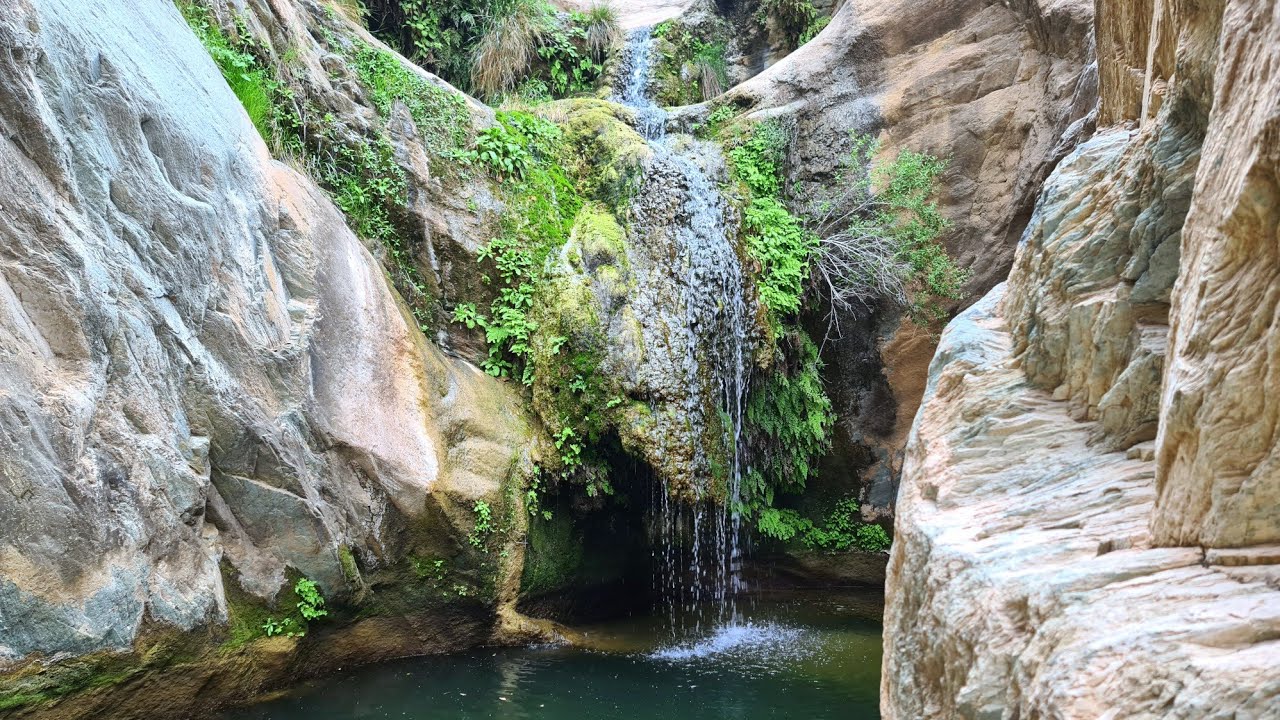
Located in the village of Shabarqa, the Ein El-Gamal Waterfall offers visitors a magical atmosphere throughout the year. The Ain Al-Jamal Waterfall flows down from the mountains, bringing beauty to its surroundings and offering visitors from all over the Kingdom a magical atmosphere. Visitors from all over the Kingdom come to Shabarqa to enjoy the picturesque nature of the village, see the waterfall up close, and take the most beautiful souvenir photos.
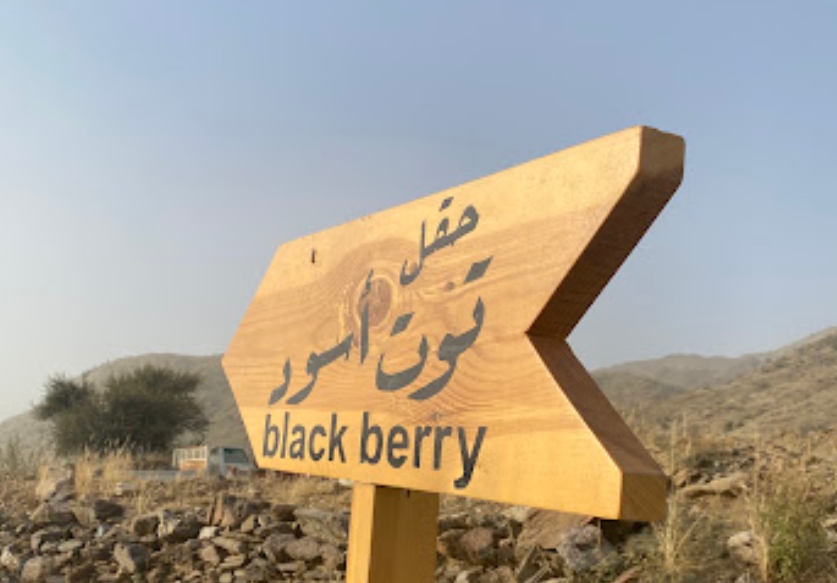
Hassan Al-Shantir Farm is located in Al-Baha, Al-Qura Governorate. The owner of Al-Shantir Farm, Hassan Saeed Al-Shantir, pointed to the region's natural ingredients for agriculture, the availability of fertile soil and groundwater, where he started rehabilitating agricultural terraces, and determining the cultivation of blackberries at the end of 2022 AD through the support of the Ministry of Environment, Water and Agriculture branch in the region, and benefiting from the Arab Agricultural Shield initiative with approximately 100 mulberry seedlings.
Dar Awda village is located in the middle of Atawla and is distinguished by its traditional architectural design that reflects the local style. The house is considered a cultural and heritage center, as it contains activities aimed at reviving heritage and strengthening cultural identity.
It is characterized by its authentic rural design that combines charming nature and rural beauty. The farm offers a unique experience for guests, where they can enjoy breathtaking views of the garden, which consists of agricultural terraces and a variety of seasonal fruits such as coffee, pomegranates, almonds, lemons, royal oranges, apricots, peaches, gazelle heel, figs and blackberries.
City cleanliness level
The quality of roads within the city and attention to their maintenance
The quality and maintenance of the city's infrastructure
City lighting and maintenance
City sidewalks and their maintenance
Afforestation and caring for the city
City parks, maintenance and cleanliness
Municipal services provided by residential plans
Municipal supervision of establishments
Electronic services provided
Was this page helpful?
Your reply has been successfully sent