Official Saudi government websites end with
gov.sa
Government websites use the protocol
HTTPS
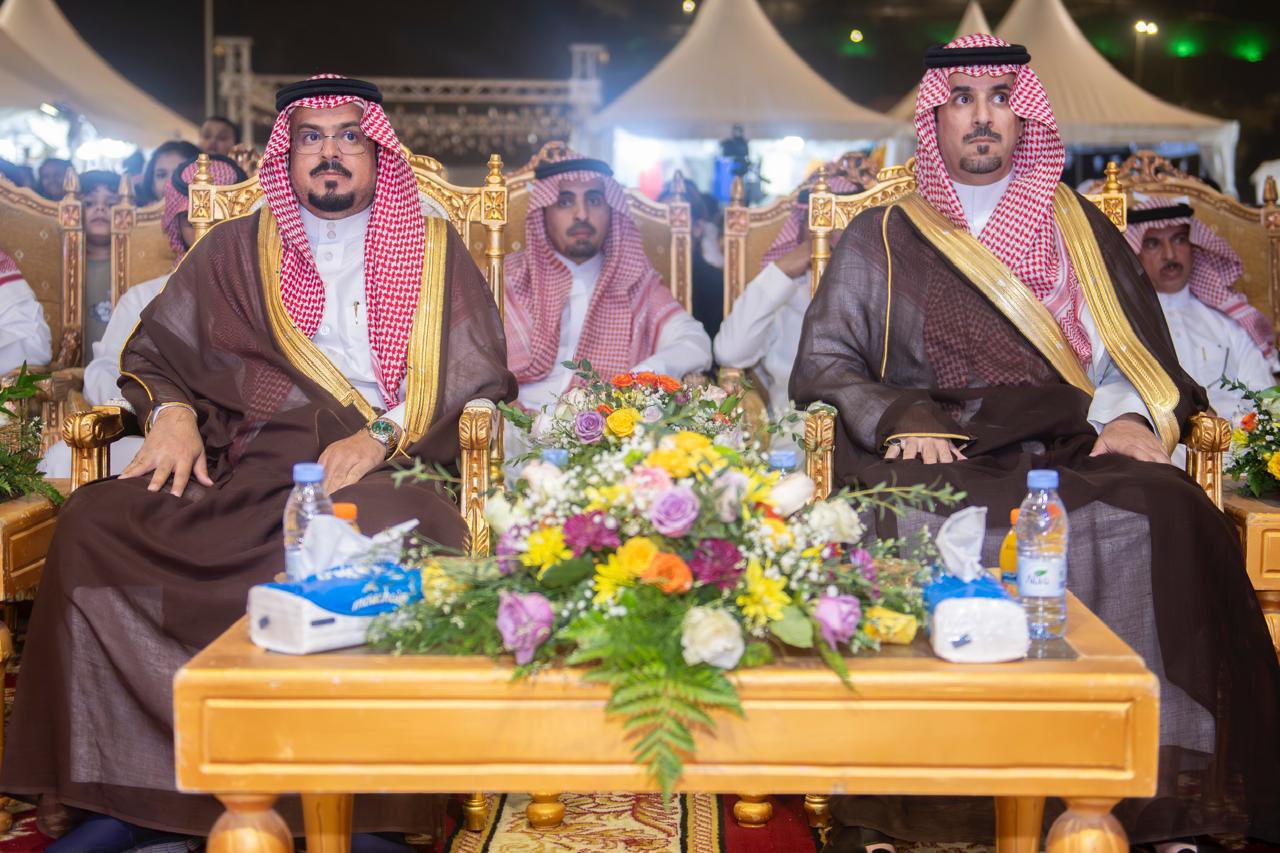
As part of the activities of Al-Baha Summer, the Mandak Governorate Summer Festival 2024, organized by Mandak Municipality, was launched on the stage of Al-Farasha Recreational Park with a large number of residents and visitors, in the presence of the Secretary of Al-Baha Region, Dr. Ali bin Muhammad Al-Sowat,and the Governor of Mandak, Mr. Qasim bin Saeed Al Mohsen, a number of government department directors and tribal elders, in the presence of the Secretary of Al-Baha Region, Dr. Ali bin Muhammad Al-Sowat, and the Governor of Mandak, Mr. Qasim bin Saeed Al Mohsen.
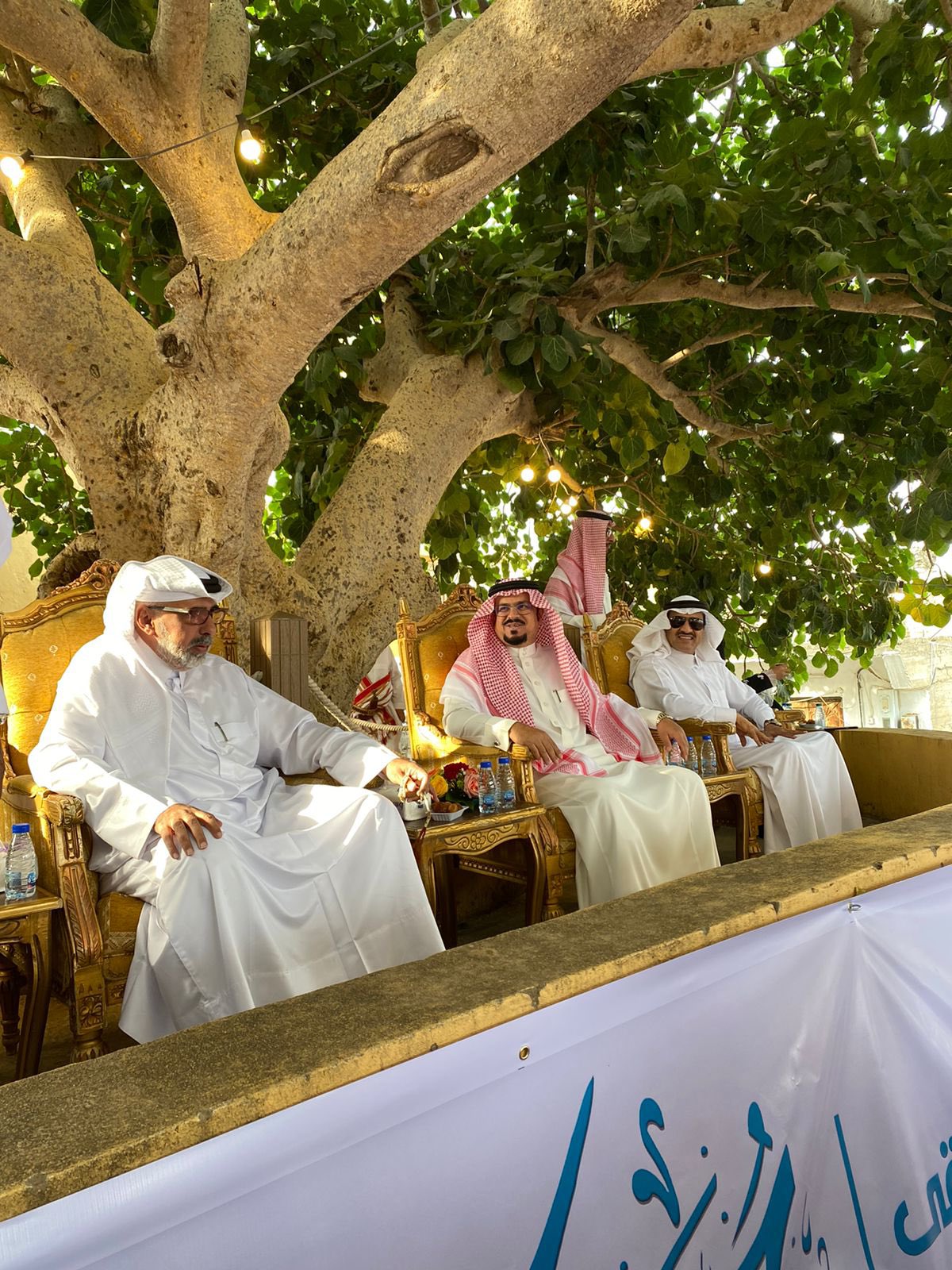
In the presence of the Secretary of Al-Baha Region, Dr. Ali bin Muhammad Al-Swat, head of the Executive Committee for the Summer of Al-Baha Region 2024, the third forum was held yesterday evening in the old popular market, organized by the Civil Development Association in Balkhzamer, as part of the activities of Mandak Summer 2024.
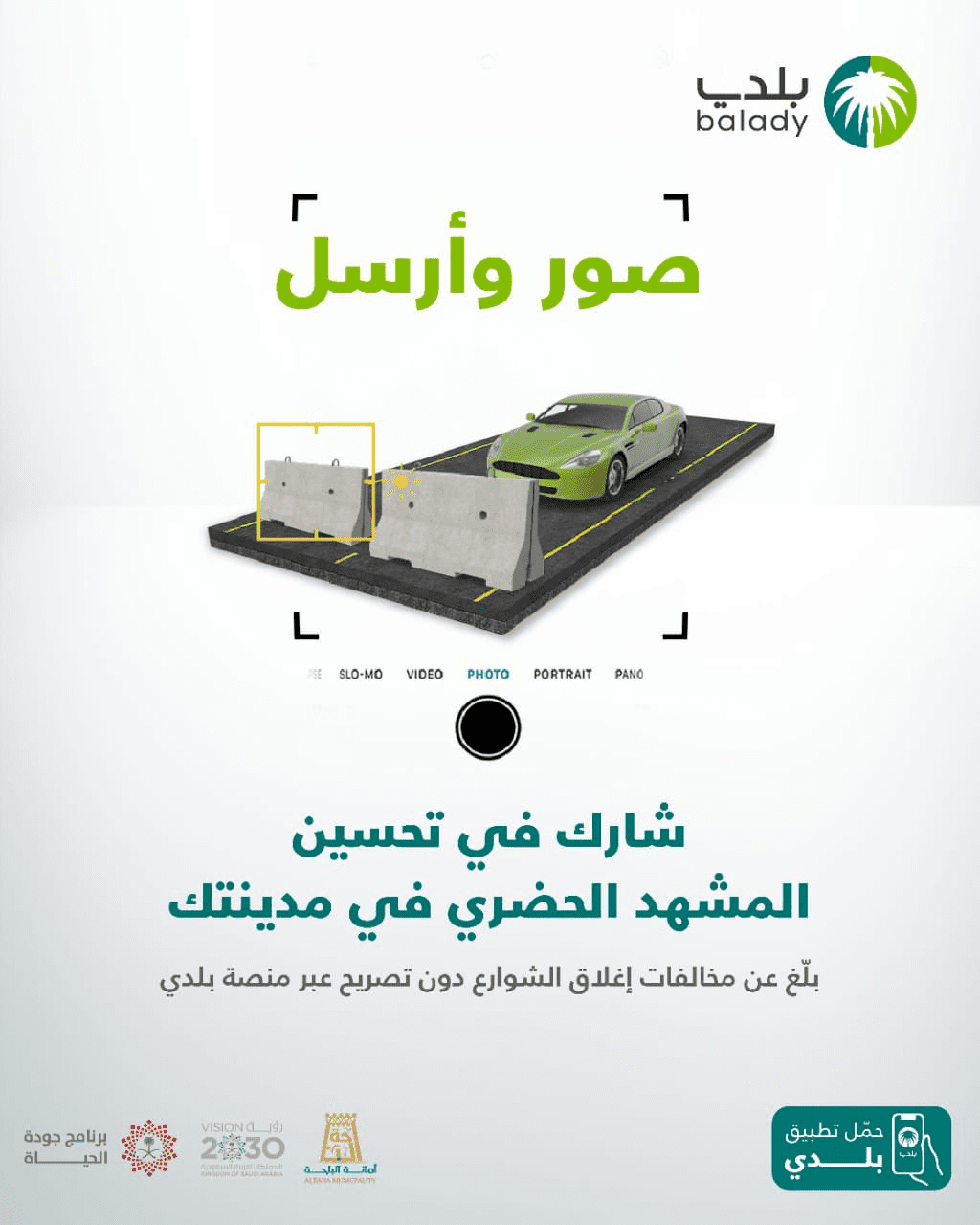
Become a partner in improving your city's urban landscape By reporting violations of street closures without a permit through the Baladi application, your report contributes to the humanization of cities Achieving the goals of the quality of life program Within the aspirations of Saudi Vision 2030

Enjoy watching the matches of the Saudi national team for the 2022 World Cup, in the Al-Farasha entertainment hall in Al-Khalab Park.
For the sake of food safety, the Health Control Department conducts a number of tours to commercial establishments to ensure that health requirements are implemented.
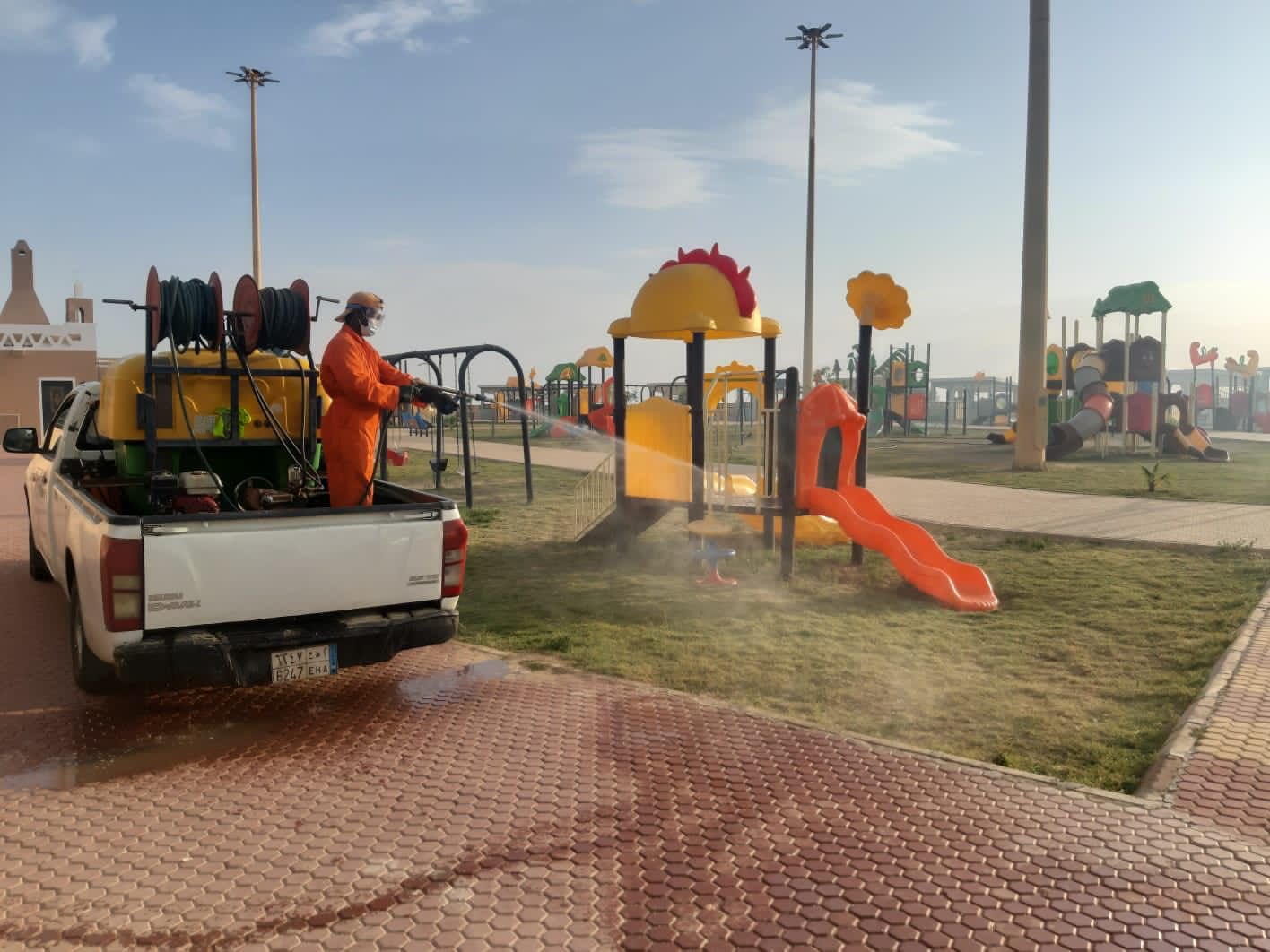
Control of pests and impacts in public and public places and the work environment in the game environment - management of gardens and conservation of the environment.
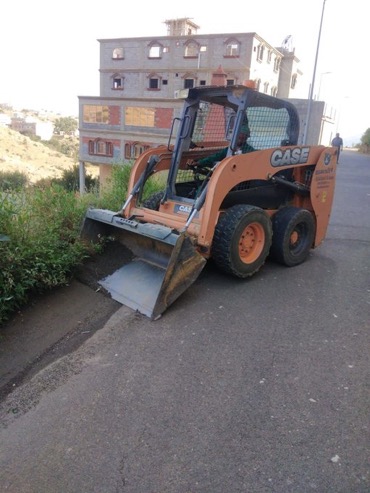
Part of the daily work of the service department - general cleaning, weeding - road cleaning - waste removal.
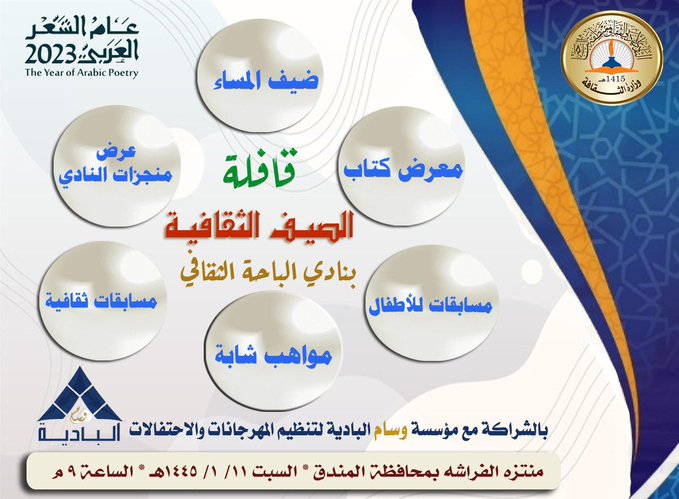
You are on a date this evening with the Al-Baha Literary and Cultural Summer Club convoy in the Butterfly Recreational Park in Al-Mandaq Governorate.
Site area: 3.050 square meters
Site area: 16 square meters
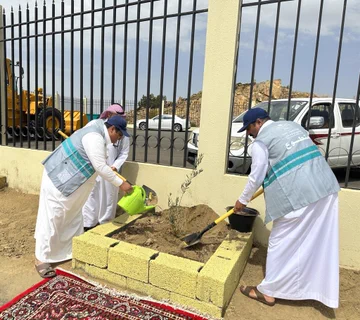
The volunteer municipality team of Al-Mandaq Governorate participates in the initiative of our yard is green, which was implemented by the National Development Association in Balkhuzmar under the auspices of the Governor of Al-Mandaq in partnership with the chair of Sheikh Saeed Al-Anqari at Al-Baha University, by opening the afforestation project in the villages of Balkhzmur
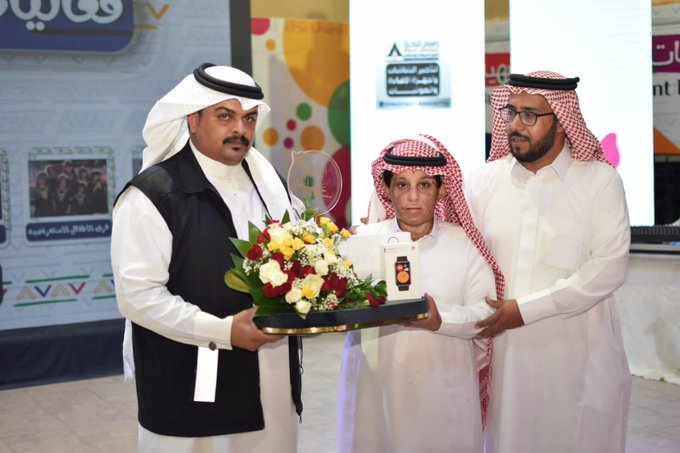
The Municipality of Al-Mandaq Governorate, represented by the Social Responsibility, presents a gift to the child, Abdullah Ahmed Saleh Al-Zahrani, who was severely burned, wishing him recovery and complete wellness. This initiative comes within the framework of social responsibility towards society
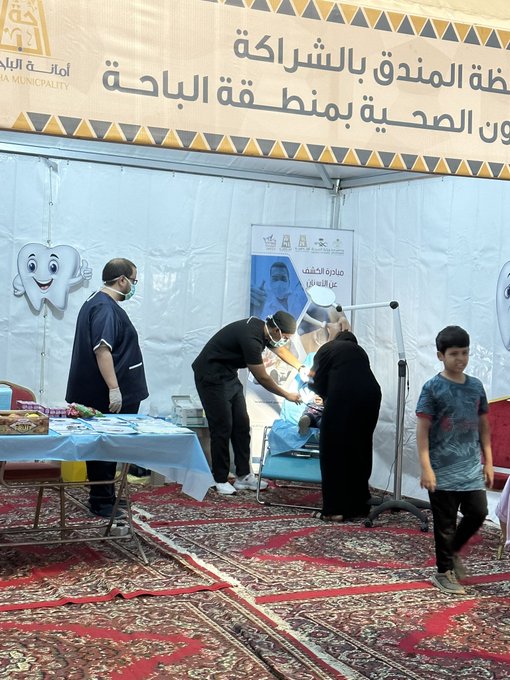
Within the community initiatives implemented by the Municipality of Al-Mandaq Governorate in partnership with Al-Baha Health and within the activities of the most beautiful Al-Baha summer, the initiative to reveal the teeth, which is held in the recreational butterfly garden.
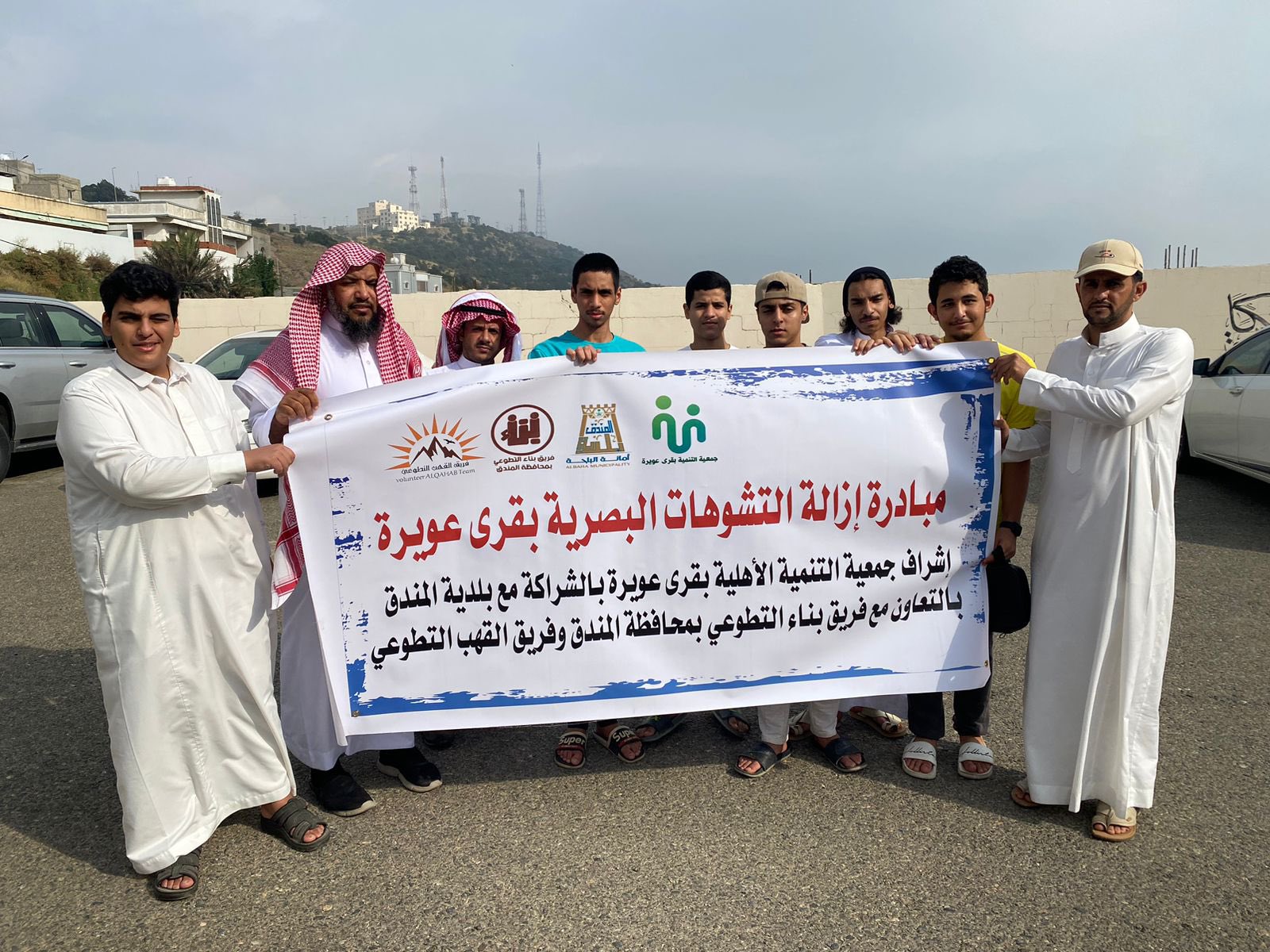
The National Development Association in the villages of Oweira, in partnership with the municipality of Al-Mandaq Governorate and in cooperation with the Benaa volunteer team and the Dar Al-Qahb volunteer team, implemented the initiative to remove distorted writings in the villages of Oweira
Special thanks to the volunteer teams participating in organizing the 93rd National Day celebration in the governorate, the Technical College Volunteer Team, the Bena Volunteer Team, the Al-Mandaq Youth Volunteer Team, and the Al-Qahb Volunteer Team
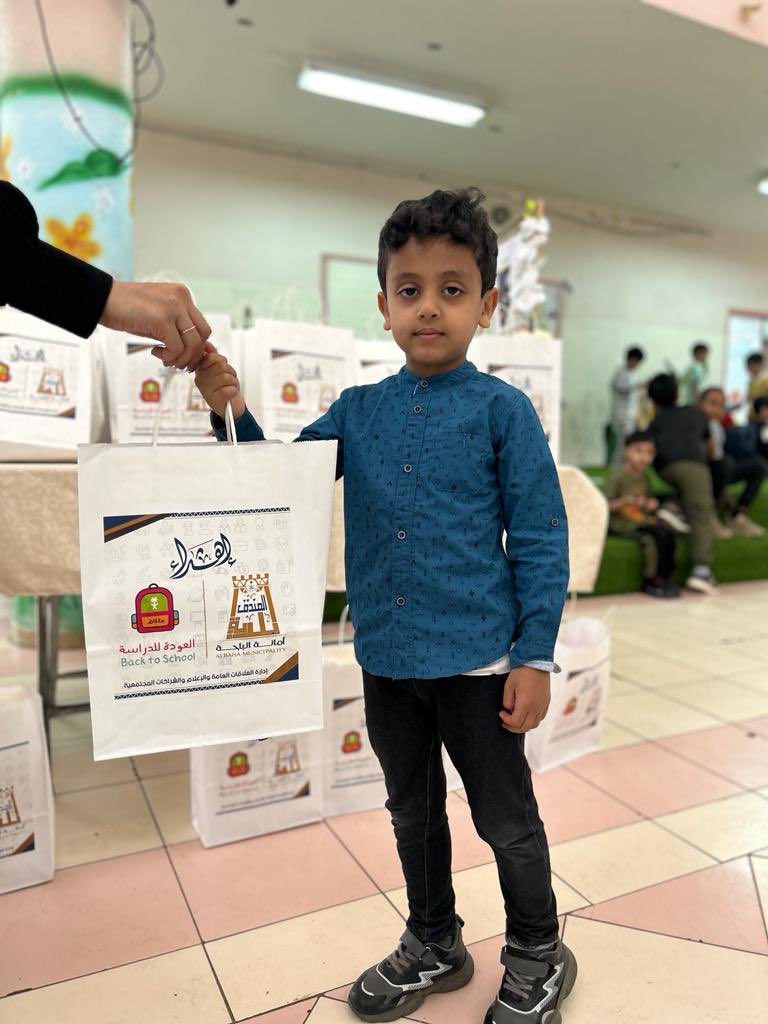
The Municipality of Al-Mandaq Governorate, represented by the Department of Public Relations and Community Partnerships, in partnership with the Education Office of Al-Mandaq, implements the initiative to receive students and return to study by distributing gifts to early childhood students at Fatima Bint Saad Al-Khair School and Arwa Bint Kariz School for Quran memorization. This initiative comes as an extension of the community initiatives implemented by the municipality.
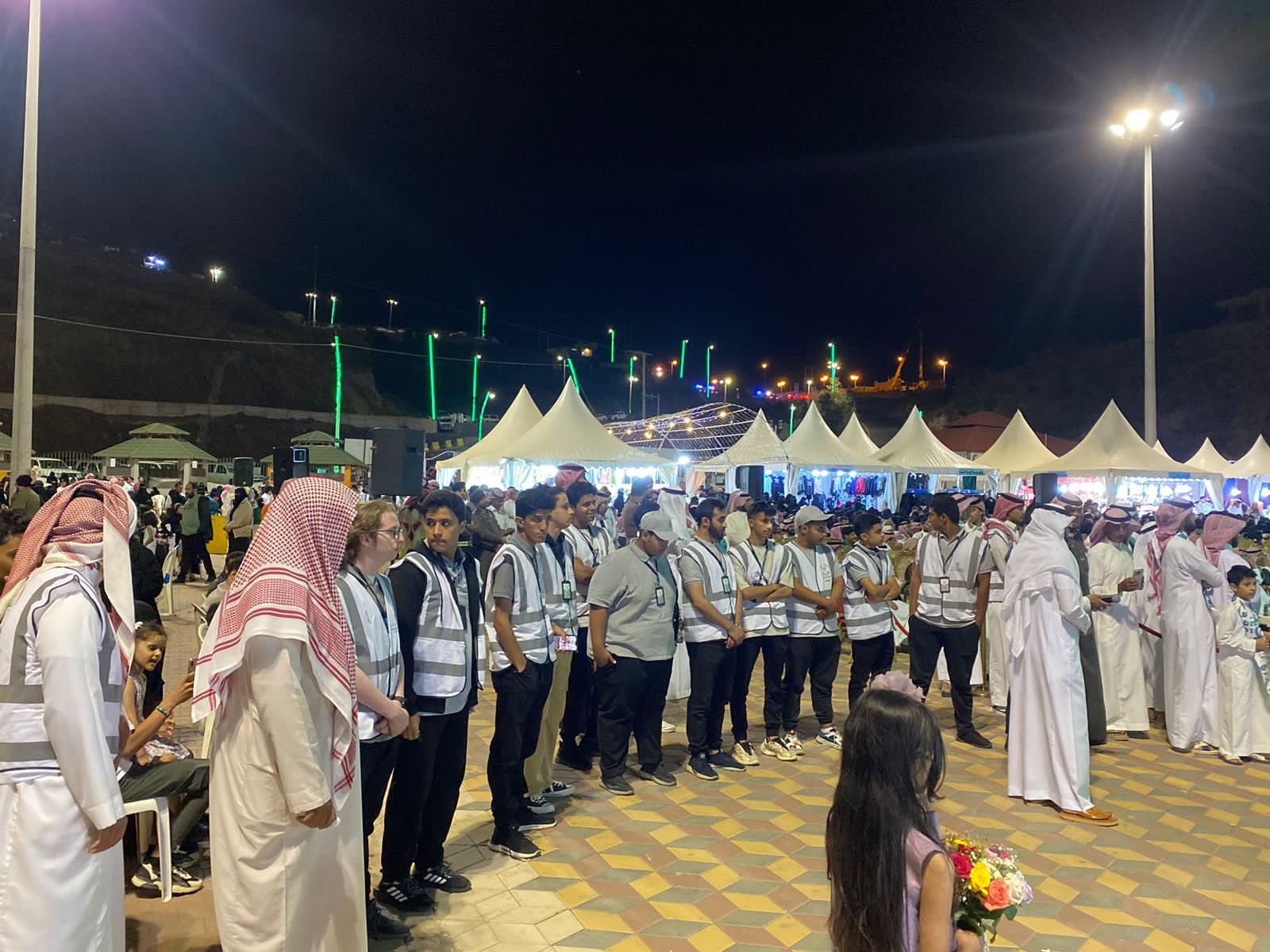
Amidst a large presence, Al-Mandaq Governorate celebrated the 93rd National Day yesterday evening with the participation of popular bands, fireworks displays, and some accompanying events.
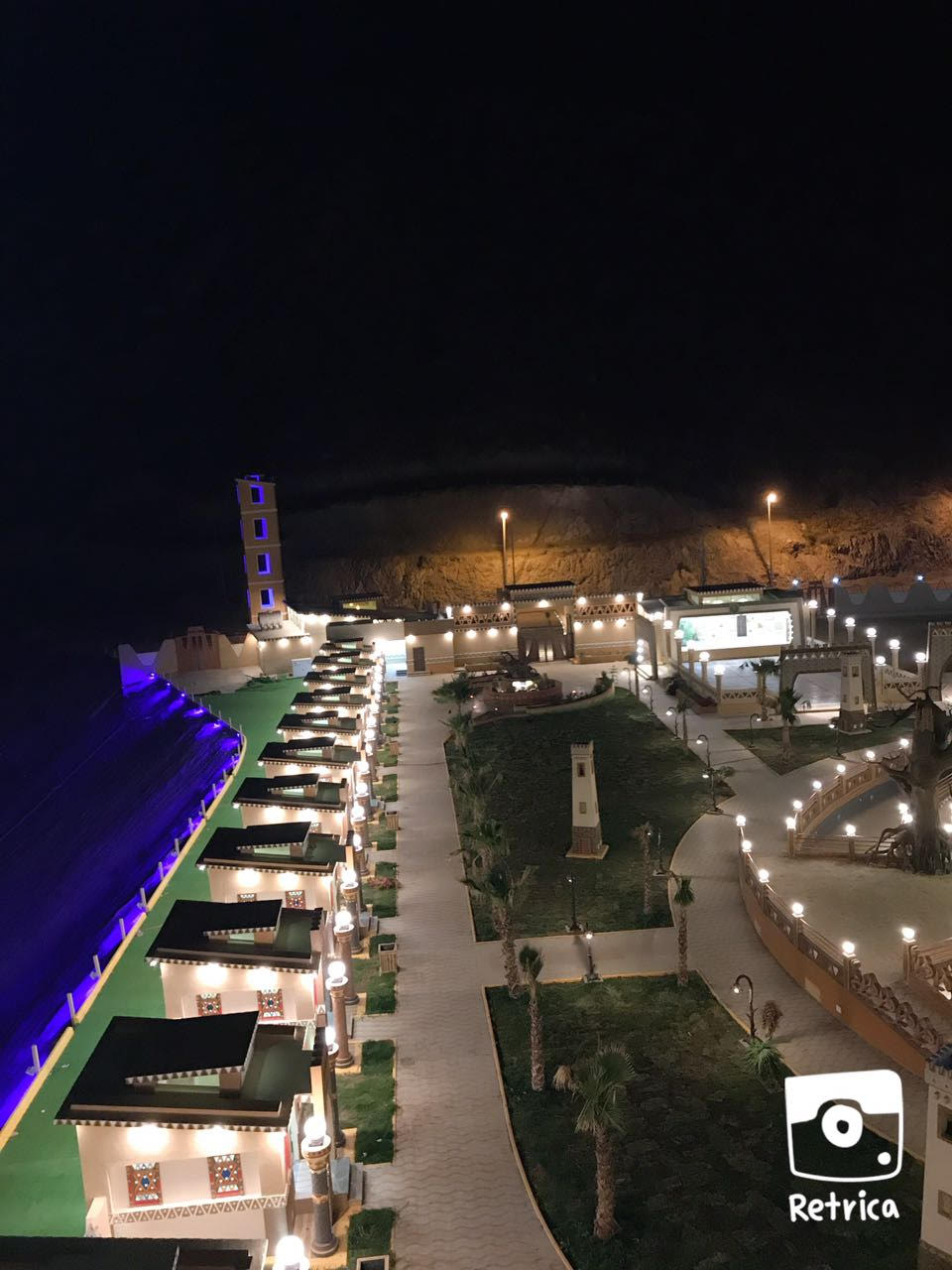
Al-Burj Garden is located in Al-Mandaq Governorate, specifically in Al-Khalab Park. Its area is estimated at approximately 11,000 square meters. It consists of a tower overlooking the governorate, consisting of seven floors, in addition to the presence of 30 sessions designed and embroidered with decorations inspired by the nature of the governorate with a character that gives the family its privacy, in addition to the presence of the cave in the middle of the garden. Which is also inspired by the nature of the province, and it consists of two floors, inside it are multiple sessions, in addition to the roof of the cave that overlooks the entire garden, and the garden contains a theater that can accommodate more than 300 people. The site also contains a chapel that accommodates all visitors to the garden. The park has a number of restaurants, cafes and fast food kiosks.
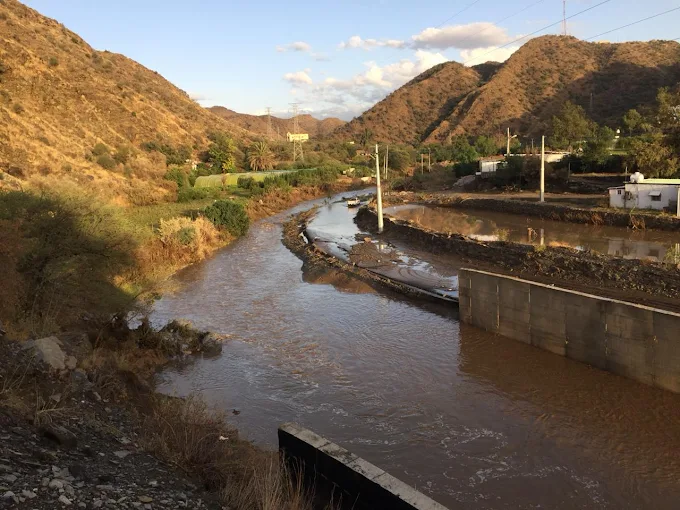
It is located north of Al-Mandaq Governorate, in the Barrahh Center, on the tourist road linking Al-Baha Al-Mandaq Al-Taif. It overlooks Wadi Tirbah, which is characterized by an abundance of water. The area of the park is estimated at about 10021 square meters, and it is characterized by a unique design as it was designed with distinctive geometric shapes. And a theater and service facilities, in addition to the areas planted with natural grass. It has become one of the beautiful places frequented by vacationers and visitors, and an important tributary of tourism in the region and an outlet for the people and visitors, as it was designed in a beautiful and wonderful way.
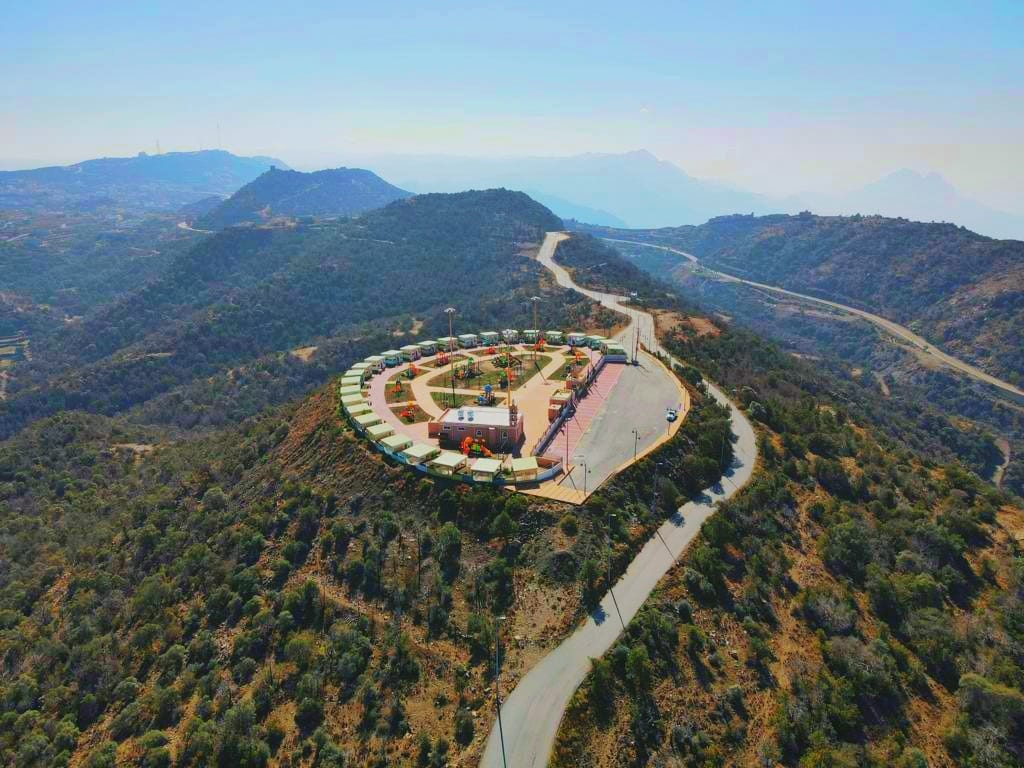
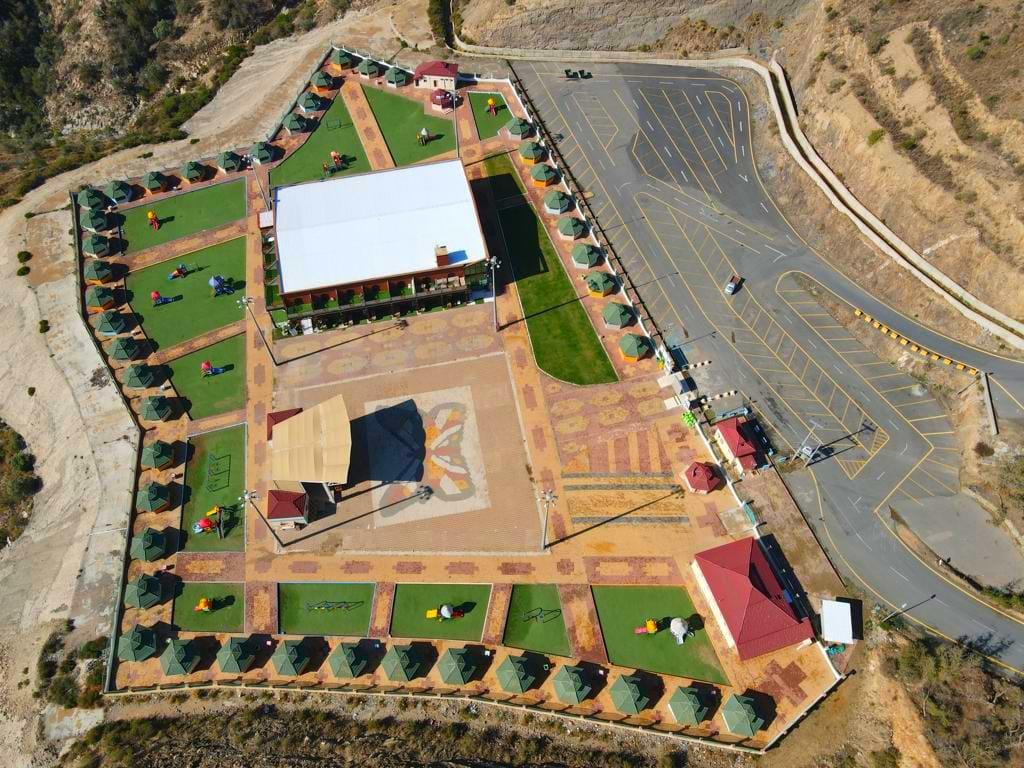
It is characterized by its location in the middle of a dense tree and its wonderful view of the Umdan forest, Wadi Salaman and the tourist road, to complete the meeting of nature and the splendor of the design and includes 27 concrete umbrellas and games for children, in addition to a chapel for men and another for women and toilets for men and women
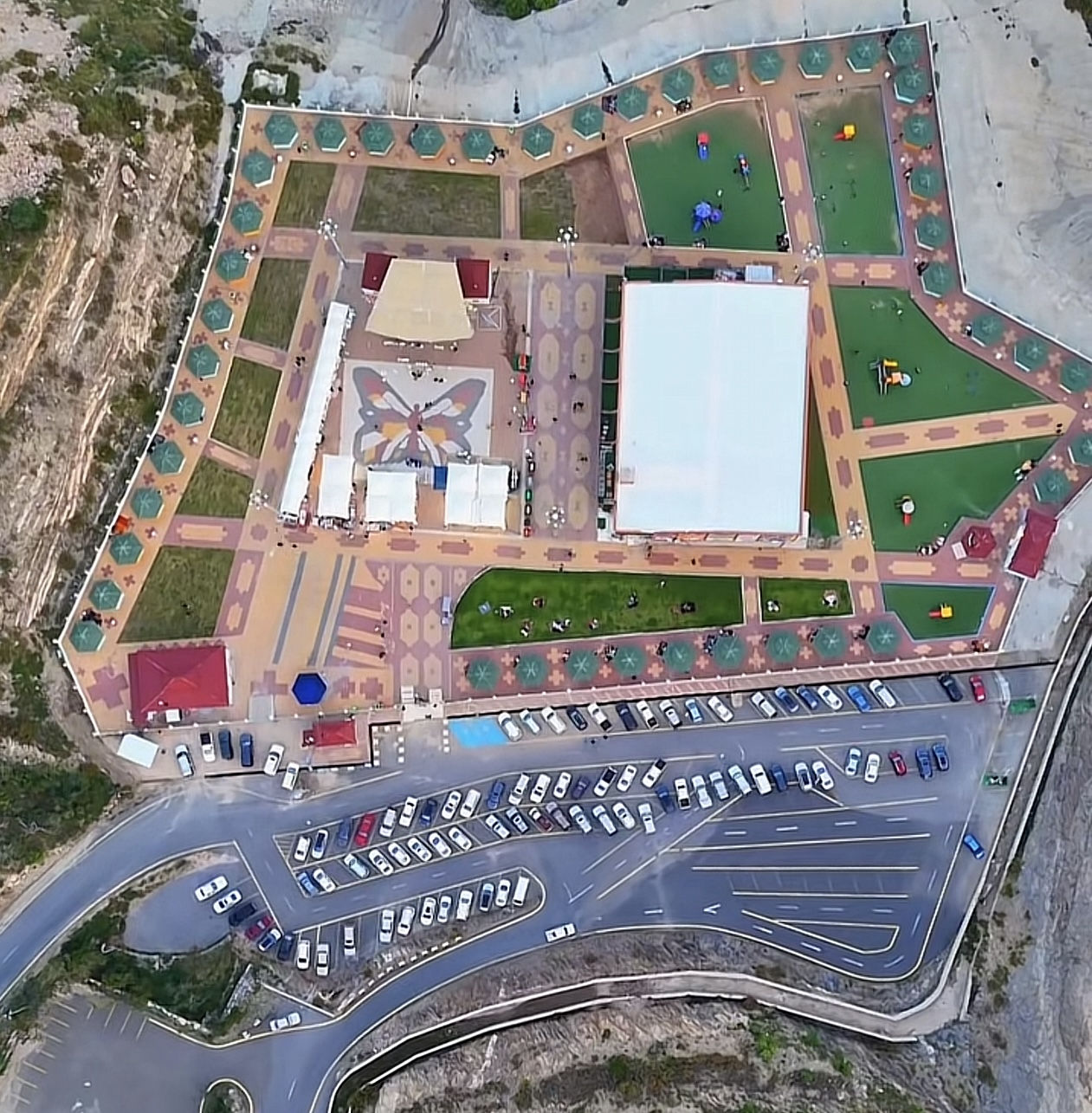
Butterfly Park is one of the modern recreational parks in Al-Mandaq Governorate and is located in Al-Khalb Park, which has been equipped and provided with all innovative modern designs and decorations, as the Butterfly Park includes all services and service facilities, private sessions, a prayer room for men and women, as well as toilets for men and women, and the garden has large green spaces, and places to sit to relax and meditate amidst those quiet landscapes. Butterfly Park is located in the middle of the amusement park, which is considered the best amusement park in the region
It is considered one of the most wonderful parks in the Al-Baha region, as it is characterized by a distinctive and unique architectural style and is considered within the tourist system of the region to receive tourists and visitors, and it has all the services from a chapel with toilets for men and women, sessions that preserve the privacy of families, green areas, and an amusement park for children, with an aesthetic waterfall in the middle
The village of Awira is located in the Baha region, about 10 kilometers north of Mandak, and is one of the villages of the Tafil bin Amr Dusi tribe in Sarat Zahran. The area is famous for its many forests filled with juniper and olive trees, the most important of which is the Khalib forest. The heritage village was built on a hillside with volcanic rock. Volcanic rock, and the group of old houses appears in a horizontal extension and is surrounded by modern buildings that wrap around it. The majority of the old houses are partially dilapidated and abandoned. Partially dilapidated and abandoned. There were two houses that were built in a square pyramid shape. They were built using monolithic volcanic stones of varying sizes, shapes and colors, and were installed on top of each other in an artistic way that requires high professional expertise, and were shortened inside with a thick layer of clay and mud. Roofs were built using tree trunks and a layer of tree branches, topped with mud and adobe. The overall traditional layout of the heritage village with its horizontal extension and narrow alleys is accentuated by the presence of many modern buildings within the heritage complex
The village of Al-Safah is located within Mandak Governorate, about 10 kilometers to the south, and about 25 kilometers to the north from Al-Baha region. It is bordered to the north by the villages of Al-Sarafa and Mulgh, to the northwest by the village of Al-Jamajim, to the south by the village of Al-Fasila, and to the east by the village of Al-Ayes. It is likely that the name came as a description of the shape of its terrain, as its location is on the slope of a mountain. The village had a market in the village, which is one of the most important and oldest markets. The village's houses were built according to the natural position of the mountain slope, which required the builders to take special care in reinforcing the facades of the buildings. As a result, the buildings appeared monolithic and the corridors were narrow to meet the need for defense. Most of its houses are single-story, abandoned and dilapidated. Their walls were built using stacked stones in a highly technical manner that required professional expertise, and were reinforced on the inside with a thick layer of mud and clay. The building was built using stone in a variety of sizes and shapes, and it is noteworthy that the craftsmen were creative in the formations of the external facades and its natural section: and the architectural openings through the stone protrusions. The roofs were also built using tree trunks and a layer of roofing material. The roofs were built using tree trunks and topped with a layer of wooden rectangular columns topped with a larger piece that resembles an architectural feature characteristic of this architectural style in that area, and the doors and windows were characterized by a decorative wooden frame around the architectural openings. At the edge of the village there is a modern building and modern building materials have been added to a number of houses in the village, including tree branches, mud and adobe. A number of houses have a column crown, known locally as a mizrahi. ) The mizrahi is considered the element of the houses with its thickness and is made of thick tree timber. Wamkin
The village of Al-Nimah is located on a hill overlooking the valley, north of Mandak. From it about : 15 kilometers, it is one of the villages of the Daws tribe in Zahran. The village contains a few neighboring residential houses, most of which consist of one or two floors, and the walls of Ranha were built using stones stacked on top of each other in an artistic way that requires high professional expertise, and they were shortened from the inside with a thick layer of mud and milk. The stone was built according to the shape of its natural section, which is of varying sizes and shapes. It was installed in a highly artistic way and in a monolithic manner to ensure the cohesion of the walls. The roofs were built using tree trunks and branches covered with mud. The windows of the houses were characterized by the presence of a decorative wooden frame around them. The general shape of the village resembles the pattern of building fortified defensive villages in the southern region and the Sarawat Mountains, where the buildings are adjacent to each other, with random narrow corridors and few facades.
Located north of Al Baha, about 30 kilometers from Al Baha, and about 32 kilometers from Mandak, Al Asada is one of the villages of Bani Hassan. It is considered the market or commercial center for more than seven neighboring villages. The heritage village is located . It is located at the foot of the mountain surrounded by a number of hills on which the modern village spreads. It was built . The village was built according to the natural position of the slope, which necessitated reinforcing the facades of the buildings. As a result, the buildings appear monolithic. Most of the houses are one- or two-story structures that are abandoned and partially dilapidated. Their walls were built using stacked stones stacked on top of each other in an artisanal manner, and were sealed on the inside with a thick layer of mud and adobe. It is noteworthy that the craftsmen were creative in the formations of the exterior facades and architectural openings. External facades and architectural openings were created through stone protrusions. Roofs were built using tree trunks and a layer of tree branches, topped with mud and mud. In a number of houses, roofs resting on rectangular wooden pillars topped with a larger piece of wood that resembles the crown of the pillar, known locally as the mizrahi. The doors and windows of the houses are characterized by their thickness and are made of modern buildings and thick tree woods. A decorative wooden frame can be observed around the architectural openings and the village is surrounded by a number of . Modern building materials have been added to a number of village houses. As a result of the juxtaposition between the buildings, the village emerged in the form of an architectural fabric expressive of the local pattern in the layout of the heritage village
The village of Al-Badada is located on the top of a high mountain surrounded by abysmal valleys, and it is one of the villages of Daws Bani Minhab and Baltafil, bordered on the east by Bani Fahm and Baltafil, on the west by Bani Ali and Al-Ayash, on the south by Bani Luwi and Baltafil, and on the north by Al-Nima from Bani Fahm, and it occupies a distinct location similar to the marqab because of its high altitude and the difficulty in reaching it, as the village can only be reached from the north side, as its other three sides are rugged and characterized by the steep steepness of its abysmal valleys steep valleys. This geographical nature imposed the extension of urban activity in one direction, namely the northern direction, which represents the area of access to the heritage village and where modern construction has extended. What remains of the old village is a limited number of residential buildings, most of which are adjacent to each other and were built on the natural sloping ground. Most of the houses are one- or two-story buildings, and the majority of the village's houses are partially dilapidated and abandoned. The overall appearance of the village is homogeneous with the natural slope of the land. The juxtaposition of buildings has resulted in an architectural fabric that reflects the local style of heritage village planning. Its walls were built using stones stacked on top of each other in an artistic way that required a high level of professional expertise, and were reinforced on the inside with a thick layer of mud and mud. It is noteworthy that the craftsmen were creative in the formations of external facades and architectural openings through stone protrusions and the use of white-colored stone in simple decorative formations in a number of buildings. The roofs were built using tree trunks and a layer of tree branches, topped with mud and adobe, and their wooden windows are almost devoid of decorations or inscriptions
The heritage village of Al-Nasbaa is located on the peaks of the Sarawat Mountains in the northwest of the center of Al-Bahahah city, about 40 km from it, and is bordered on the north by the village of ... It is bordered to the north by the villages of Al-Mandak and Al-Anq, to the south by the villages of Ashba and Al-Ka'amir, to the east by the village of Al-Hallah, and to the west by Tihama. It is one of the villages of Bani Kinana belonging to the country of Zahran, and has been known since ancient times as Al-Fahira. The village is located on the top of the mountain overlooking a deep valley, and the village consists of a number of residential buildings, most of which are adjacent to each other, and were built on the natural sloping ground. Most of the houses are one or two-story buildings, and the majority of the village's houses are dilapidated. Partially dilapidated and abandoned. The overall appearance of the village is homogeneous with the natural slope of the land. As a result of the juxtaposition of buildings, the village appears as an architectural fabric expressive of the local pattern of heritage village planning. The village is devoid of any modern buildings, except for some modern additions to two residential buildings and a modern mosque adjacent to it, and it occupies all the land of the rocky hill on which it is built. Its walls were built using stones stacked on top of each other in an artistic way that requires high professional expertise, and were reinforced on the inside with a thick layer of mud and clay. It is noteworthy that the craftsmen were creative in the formations of external facades and architectural openings through stone protrusions and the use of white-colored stone in simple decorative formations in a number of buildings. Roofs were built using tree trunks and a layer of tree branches, topped with mud and clay. In a number of houses, the roofs were supported on rectangular wooden poles topped with a larger piece that resembled the crown of the pole (known locally as a mizrahi). The mizrahi is considered a distinctive architectural element
Located in the village of Al Taraf in Al Mandak Governorate in the Al Baha region of Saudi Arabia, which is one of the active tourist destinations in the Kingdom, due to its picturesque nature and mild climate, the farm is endowed with a valley where water flows almost all year round.
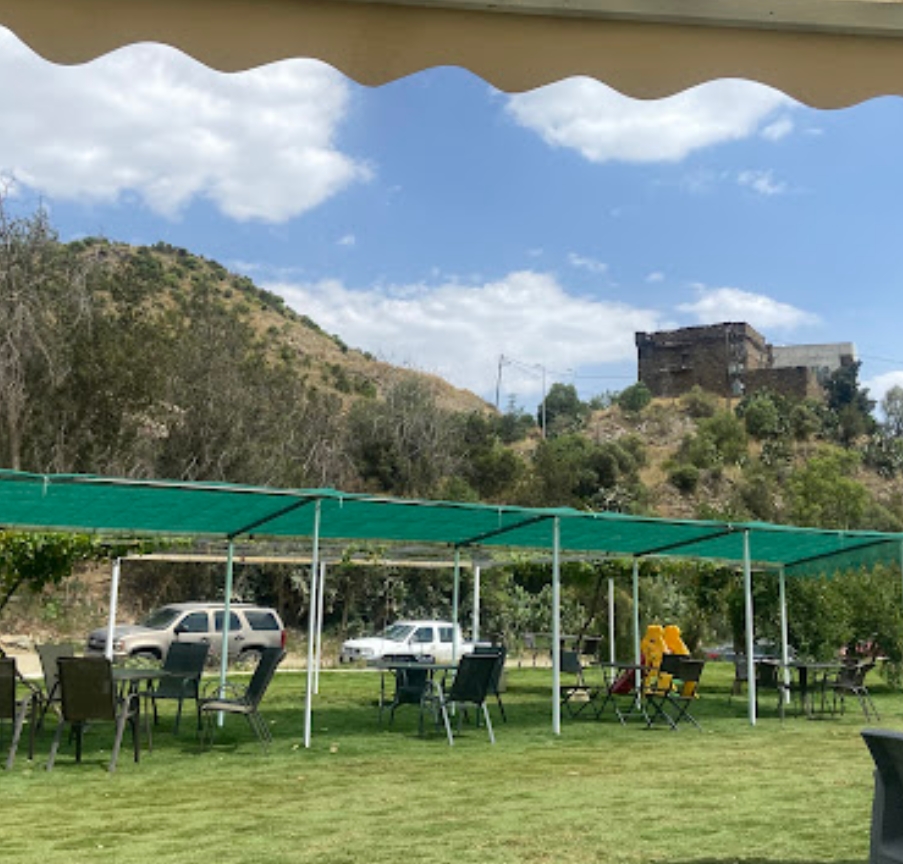
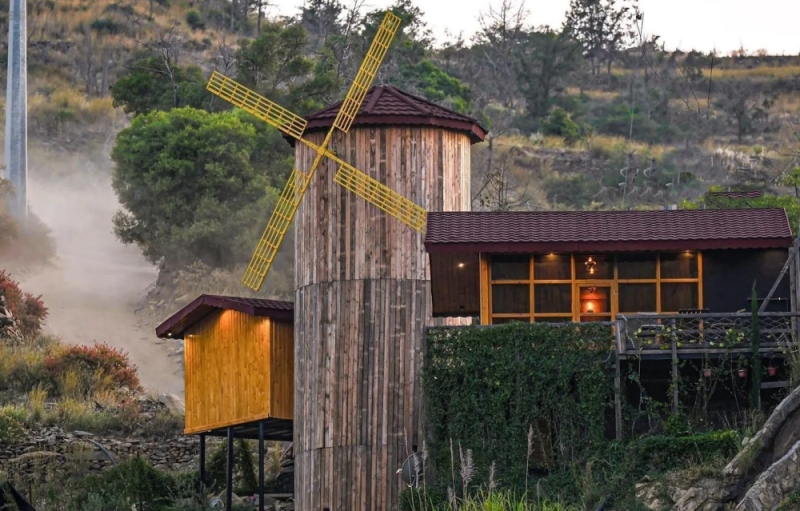
Al-Hazim Rural Farm and Cottages, located in Mandak Governorate, is one of the examples of many farms scattered in the region, which includes many diverse trees and rustic cottages organized in an attractive way for visitors.
The valley is famous for the mountains that surround it from all sides with the appearance of the valley in the middle The valley is located in Mandak Governorate of the Al-Baha region in the Kingdom of Saudi Arabia The city is located on the heights of the Sarawat Mountains in the northwest, which overlooks the city of Tihama in the northwest. Which overlooks the city of Tihama in the northwest, the valley is also located in the northwest of Al-Baha, approximately 40 kilometers from Al-Baha, God Almighty has endowed the valley and the city with charming and picturesque nature that has been formed in the form of valleys and parks that large numbers of tourists, visitors and residents of the region flock to it.
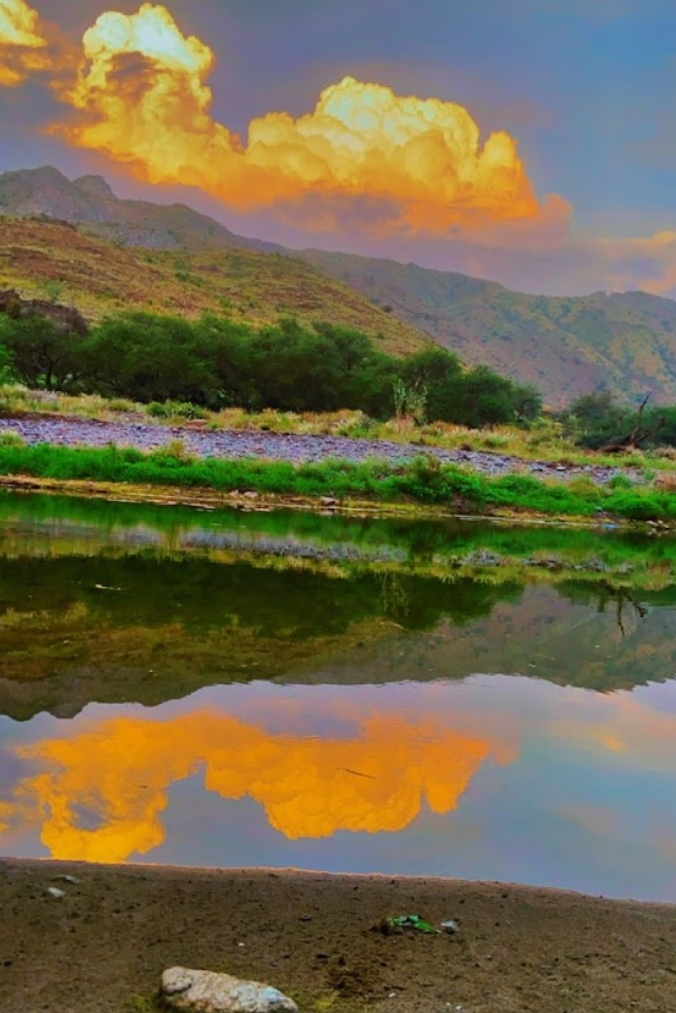
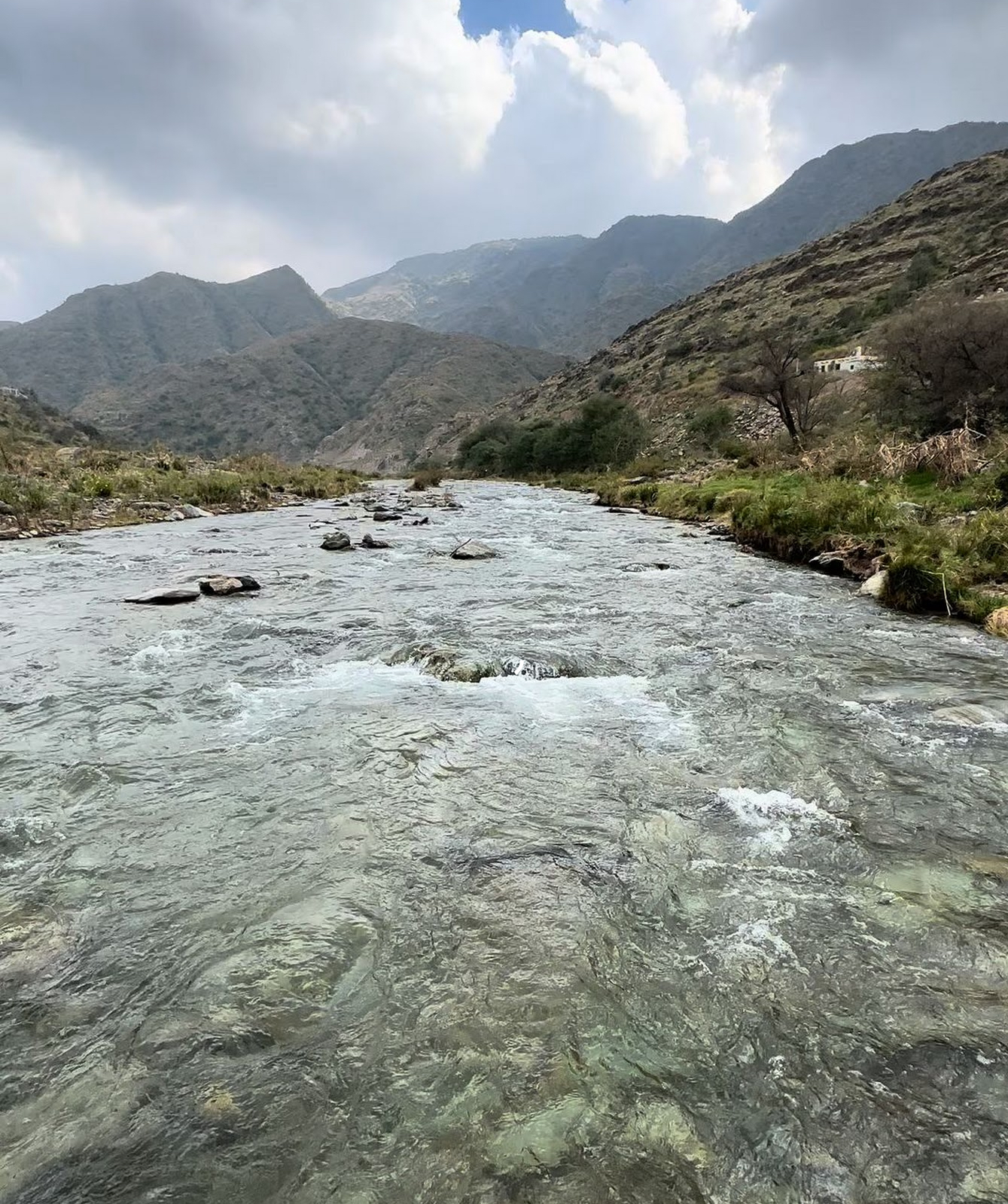
Wadi Barharah: It is located in the country of the Bani Fahm tribe of Dus in Sarra, 8 kilometers north of Mandak city. Its water flows into Wadi Tarbah Yazran, which is one of the very beautiful valleys, and the tourist will spend an enjoyable time in this valley and see many farms and local products of fruits
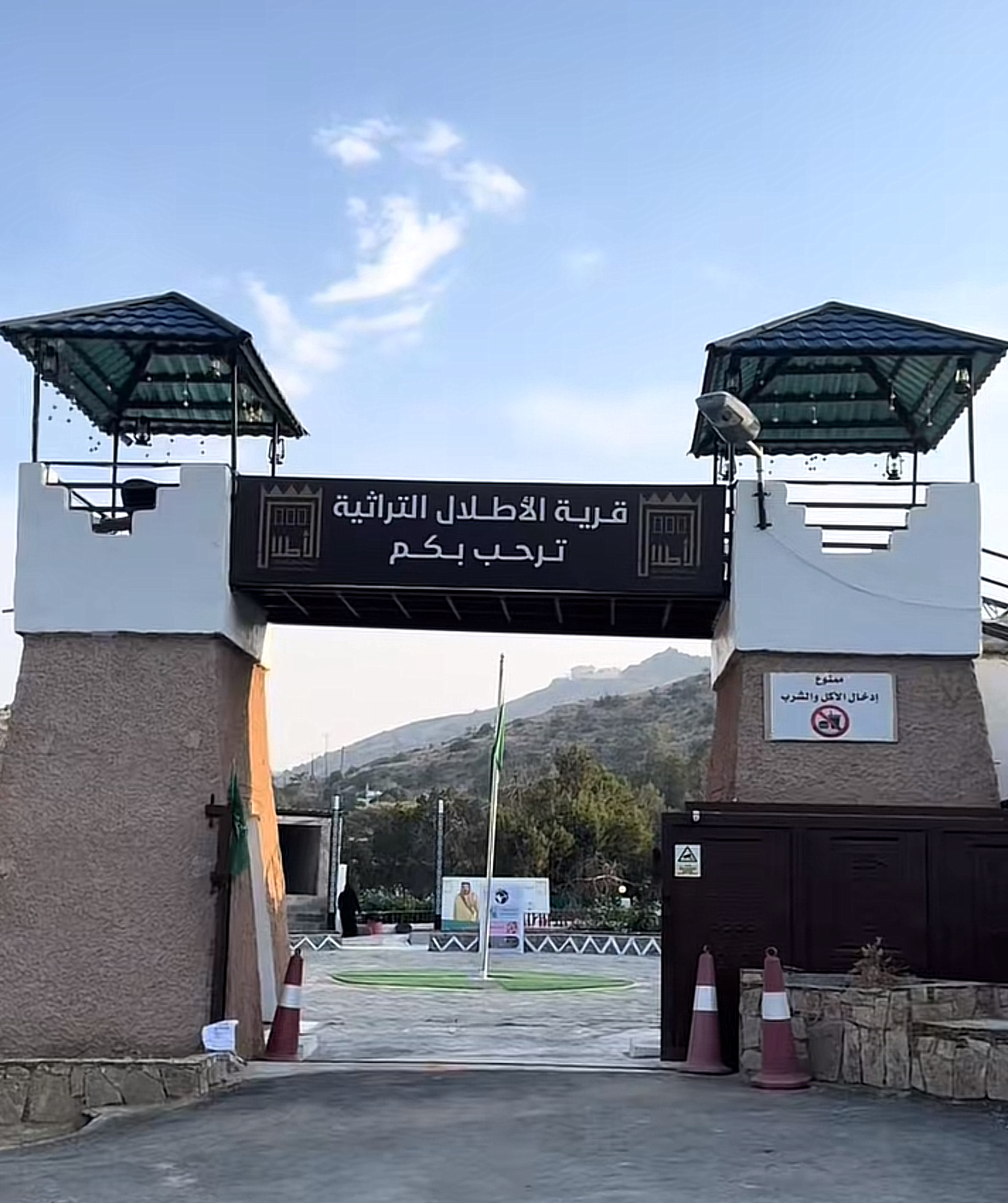
Al-Talal Heritage Village is a historical gem located in Al-Baha area, Saudi Arabia. This village is characterized by its ancient architectural style that reflects the history of the region and its ancient civilization. The Ruins Heritage Village is an open museum that shows visitors the traditional lifestyle of the area. The village consists of a group of restored and preserved old stone buildings, which were formerly used for housing, agriculture and handicrafts. What distinguishes the village: Heritage architecture: The village is characterized by its traditional stone building with wooden roofs and contiguous houses, which gives it a special character. Handicrafts: Visitors can watch craftsmen producing traditional handicrafts such as baskets, carpets and porcelain. Traditional restaurants: The village offers a range of restaurants serving traditional Saudi dishes. Rural atmosphere: The village is characterized by its quiet rural atmosphere that is relaxing and enjoying nature.
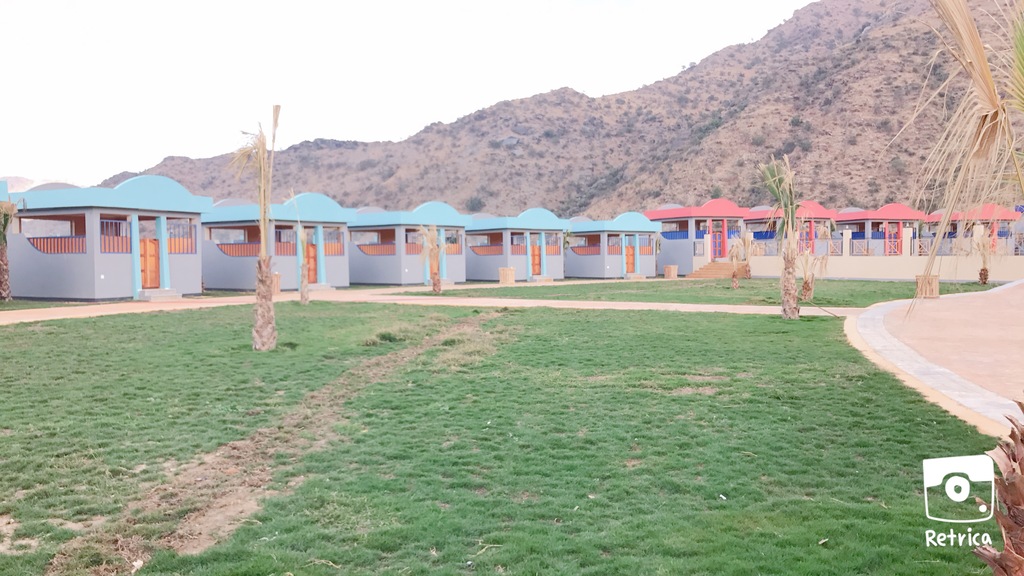
Butterfly Entertainment Park is an ideal destination for families and friends looking for relaxation and fun in the heart of the beautiful nature of Al Baha. This park is characterized by its large green spaces, various children's games, and recreational facilities that cater to the needs of the whole family. Al-Butterfly Amusement Park is strategically located, offering visitors breathtaking panoramic views of the surrounding mountains. The park is characterized by its modern design that blends natural elements and organized gardens, creating a comfortable and enjoyable environment for everyone. What distinguishes the Butterfly Recreation Park: Green spaces: The park features large green spaces decorated with trees and plants, providing a pure and healthy environment for visitors. Children's games: The park has a variety of games for children of different ages, ensuring them have a good time full of fun. Recreational facilities: The park offers a range of other recreational facilities such as restaurants, cafes and parking lots. Events and activities: Many events and recreational activities are organized in the park throughout the year, making it an ideal destination for fun.
Wadi Zahran is one of the most prominent tourist destinations in the Al-Baha area, and it is characterized by a breathtaking natural beauty. The valley is famous for its tree greenery and fresh water runoff, providing a charming panoramic view that attracts visitors from everywhere. What distinguishes Wadi Zahran: Breathtaking nature: Wadi Zahran Soil is characterized by its picturesque nature, which is characterized by permanent greenery, fresh water runoff, and the diversity of terrain between mountains and hills. Tranquility and relaxation: The valley provides a quiet and comfortable environment away from the hustle and bustle of cities, making it the perfect place to relax and enjoy nature. Various activities: Visitors can enjoy many activities in the valley such as hiking, hiking, photography, sitting and relaxing.
The Deira Museum is more than just an exhibition space; it is a comprehensive cultural experience that combines authentic heritage, natural agricultural life, and traditional hospitality. A visit here offers an opportunity to learn about Al Mandaq's past in an engaging and refreshing way, while directly supporting the local community through fruitful ideas.
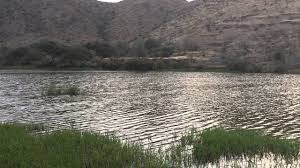
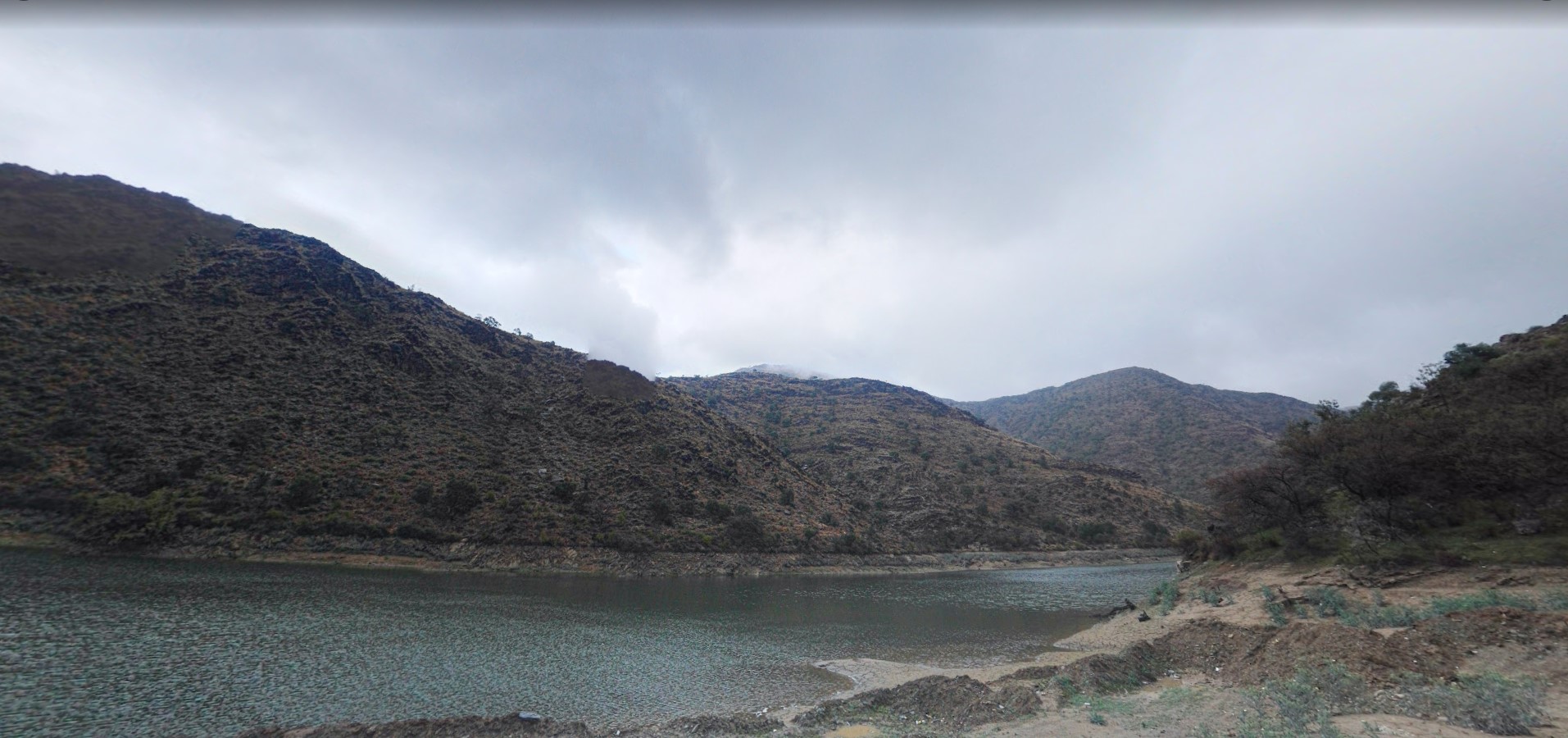
Wadi Mishniah is a valley located in the village of Mishniah, in the Al-Mandaq Governorate of the Al-Baha region of the Kingdom of Saudi Arabia. The village is situated between three high mountains: Jabal Al-Abd to the west, Jabal Al-Sarin to the south, and Jabal Al-Fara'ah to the east. The village also contains an earthen dam known as Mishniah Dam.
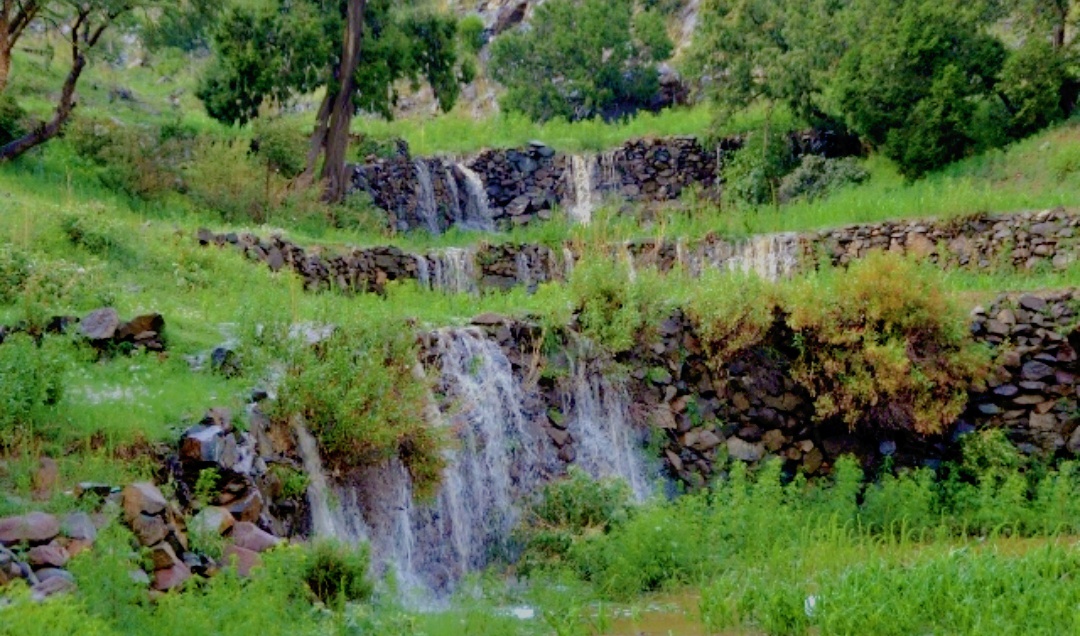
Madhahas Dam is located in Al-Mandaq Governorate in the Al-Baha region of Saudi Arabia. It is a small dam designed primarily for rainwater harvesting and groundwater recharge. The dam is surrounded by picturesque mountains and green landscapes, making it a serene destination for nature lovers. During the rainy season, water collects behind the dam, forming a small lake that adds to the charm of the area and provides a perfect spot for family picnics
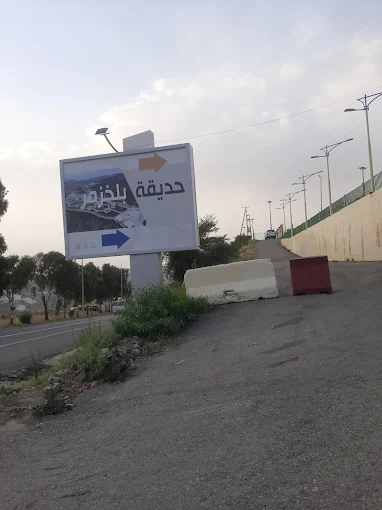
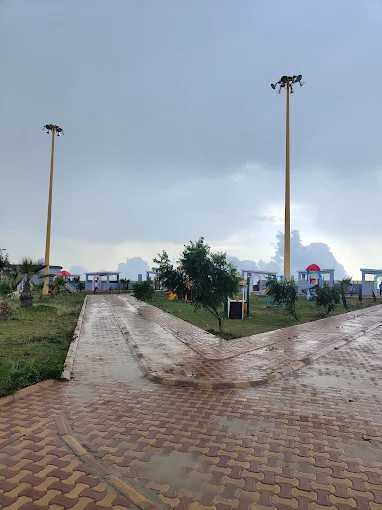
Balkhzamar Park is a public park located in Al-Mandaq Governorate in Al-Baha region. It has an area of more than ten thousand square meters and includes many facilities.
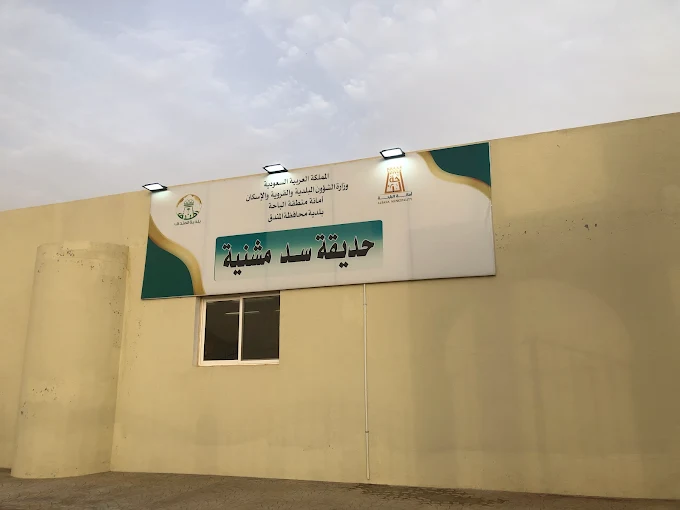
Mishnia Dam Park was established in Al-Mandak Governorate and covers an area of 12 thousand square kilometers.
Dhuhr Al-Ghuna Park is one of the most beautiful parks in the Al-Baha region, especially in Al-Mandaq Governorate. Located at the top of the peaks, it boasts stunning natural scenery and lush green spaces.
Wadi Al-Qadha is a popular pilgrimage destination for residents of Al-Mandak Governorate. This valley is known for its natural beauty and flowing water.
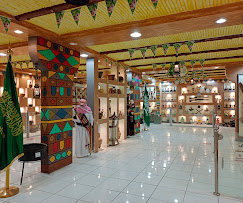
Al-Qat’i Museum of Popular Heritage is located in Al-Mandaq Governorate, Al-Baha Region. The museum houses a diverse collection of archaeological and heritage artifacts that tell the history of the region and reflect its local culture. The museum displays artifacts from ancient times, as well as tools and daily necessities used by the people of the region in the past
City cleanliness level
The quality of roads within the city and attention to their maintenance
The quality and maintenance of the city's infrastructure
City lighting and maintenance
City sidewalks and their maintenance
Afforestation and caring for the city
City parks, maintenance and cleanliness
Municipal services provided by residential plans
Municipal supervision of establishments
Electronic services provided
Was this page helpful?
Your reply has been successfully sent