Official Saudi government websites end with
gov.sa
Government websites use the protocol
HTTPS
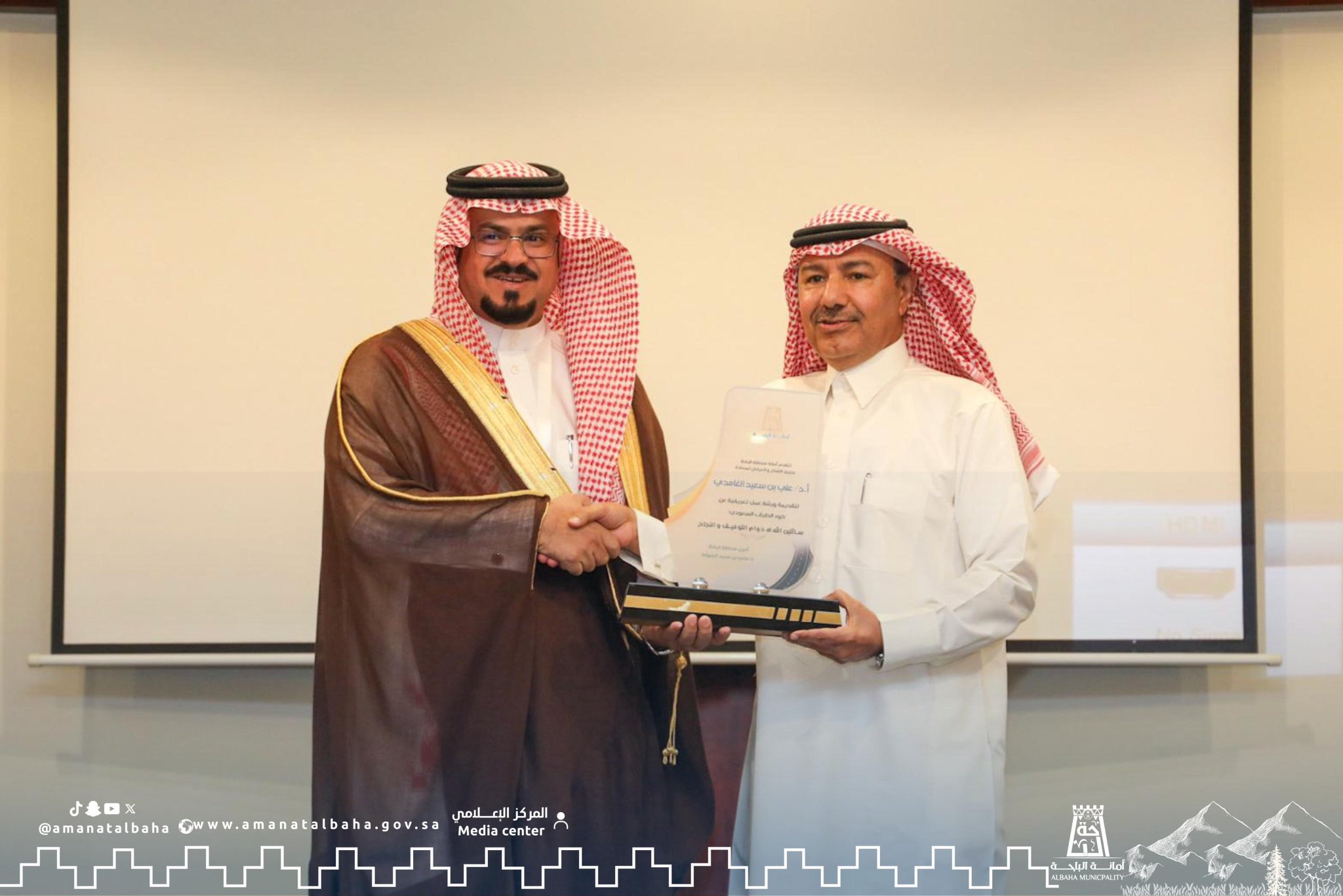
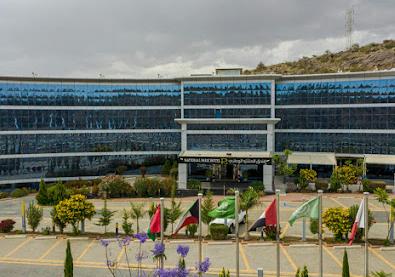
Al-Baha Governor Dr. Ali bin Mohammed Al-Sowat opens a workshop entitled “Introduction to the Saudi Road Code” in the hall of the National Park Hotel in Biljarshi, presented by the head of the National Road Safety Center, Prof. Ali Saeed Al-Ghamdi and M. Turki Al-Amoudi. Turki Al-Amoudi in the presence of a large number of engineers and specialists in the region.
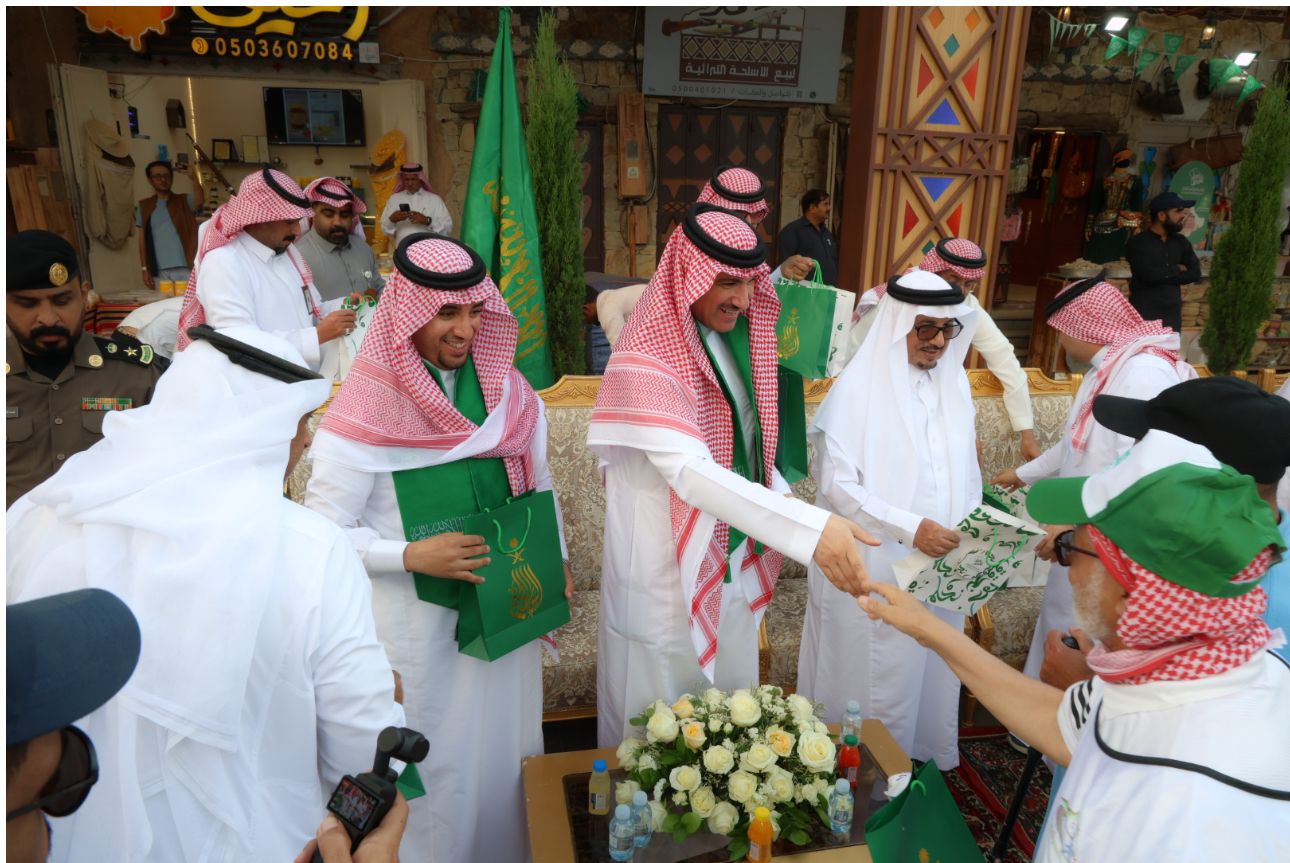
The Governor of Baljarshi, Mr. Nayef bin Mohammed Al-Hazani, sponsored the celebration of the 94th Saudi National Day at the Saturday market. The ceremony witnessed wide participation from various governmental and civil society organizations, where the Al-Sawaed Scout Troupe presented special performances, and the Suppovrt Association and Azm Association participated in providing many services. The attendees expressed their great joy on this national occasion, emphasizing the importance of solidarity and unity.
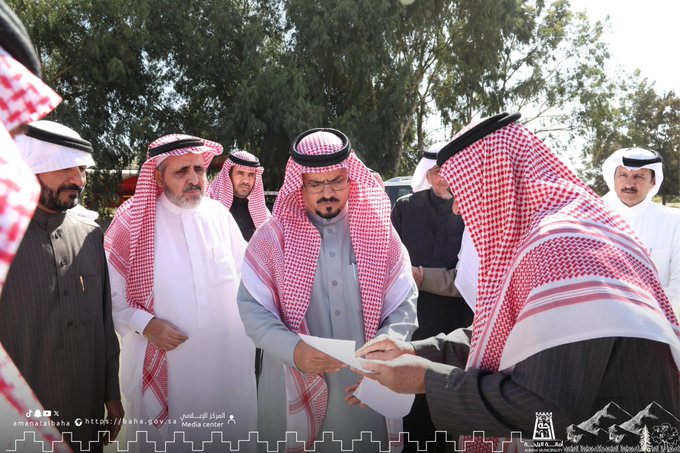
The Secretary of Al-Baha Region, Dr. Ali Al-Swat, and the Mayor of Baljarshi Governorate, M. He met with a number of residents and listened to their demands for municipal services and projects with the aim of meeting their aspirations and achieving sustainable municipal development.
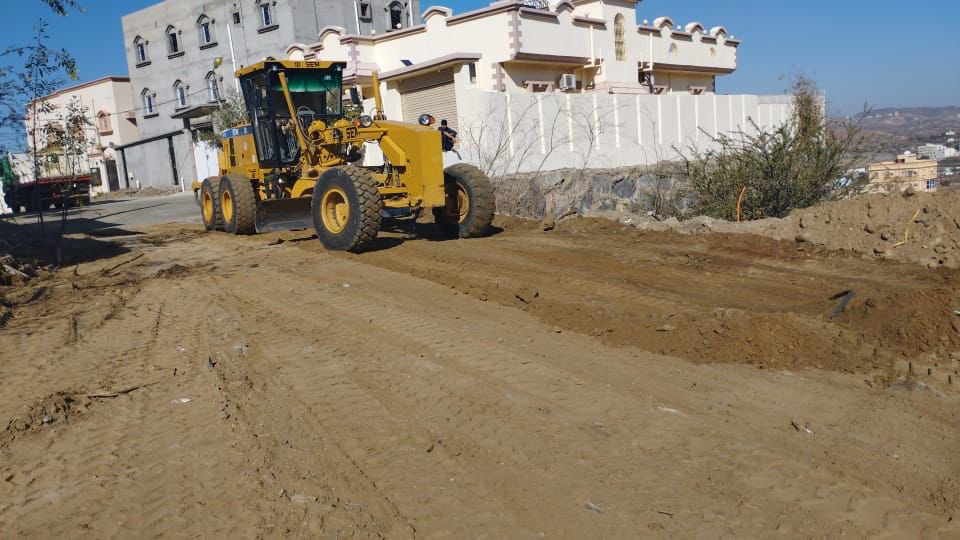
The municipality of Baljurashi, represented by the Projects Department, continues the work of earth settlements in the Qudhana scheme
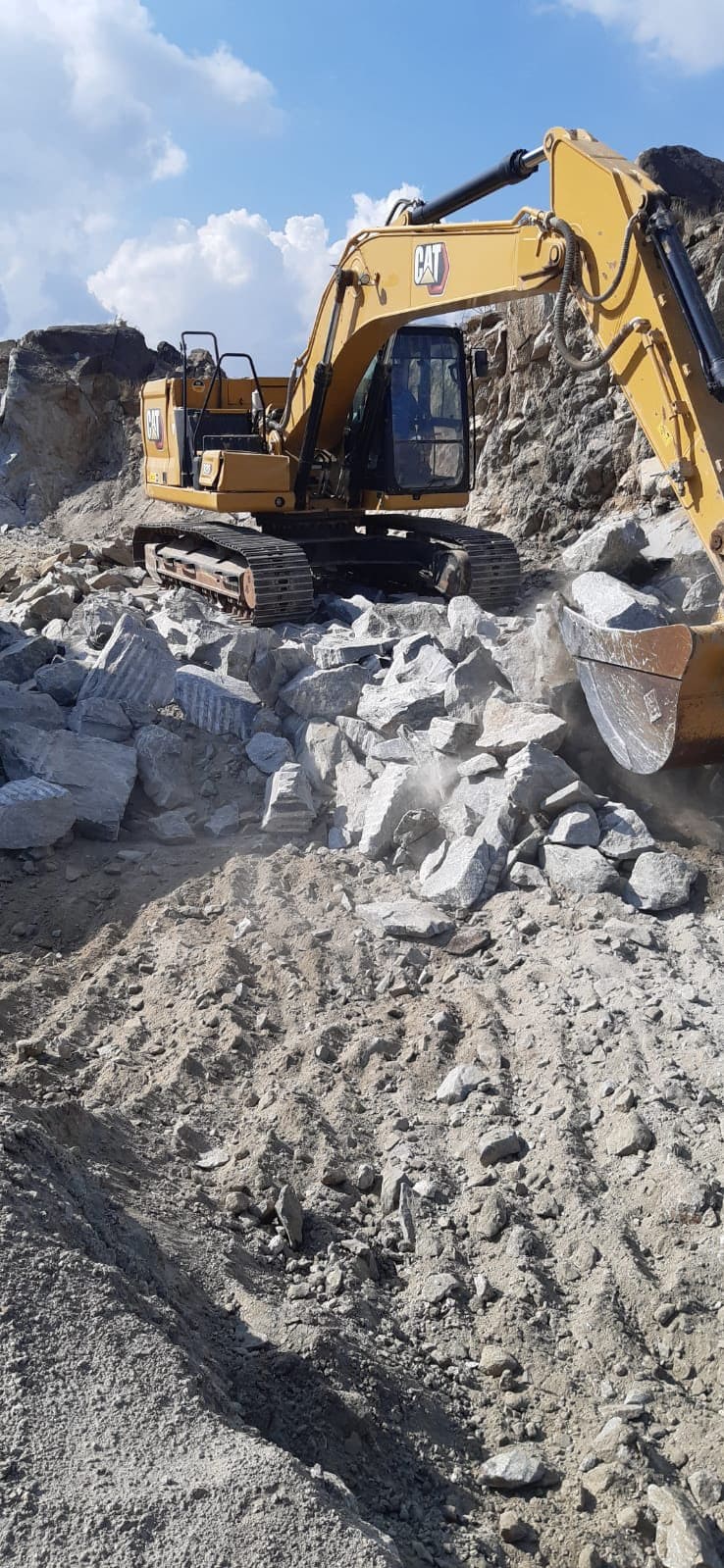
Baljurashi Municipality, represented by the Projects Department, is continuing rock breaking works for some streets in the Talqia scheme
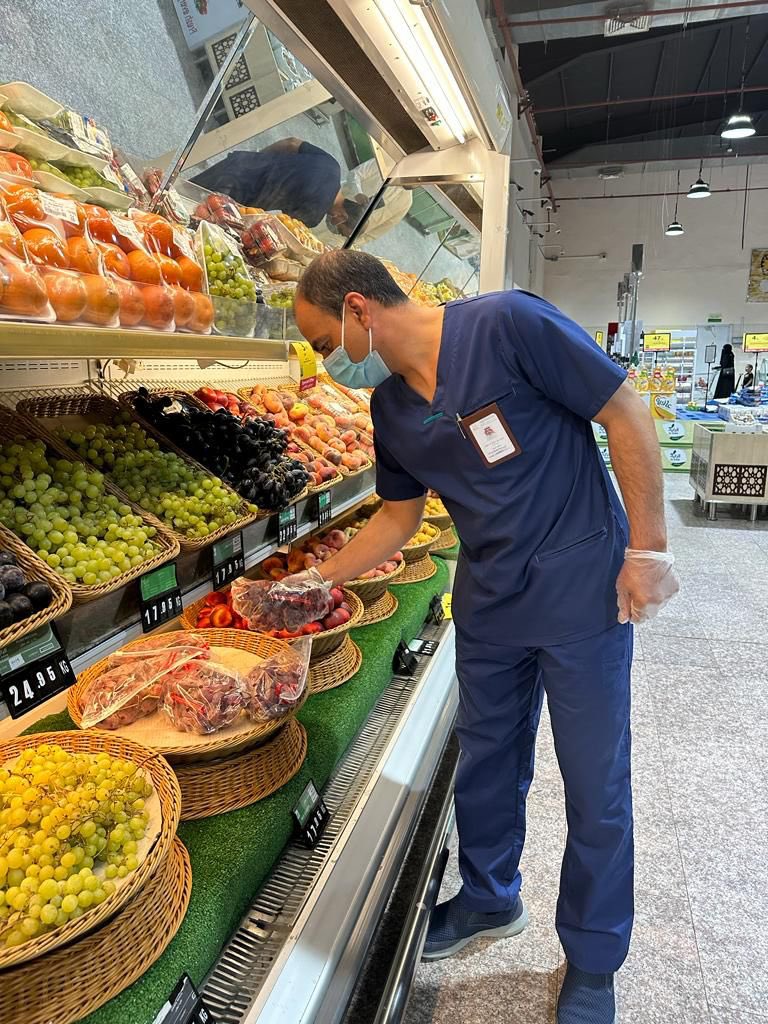
The municipality of Baljurashi, represented by the Health Control Department, continues to supervise shops to ensure compliance with health controls and requirements, and to note the provision of the best services …
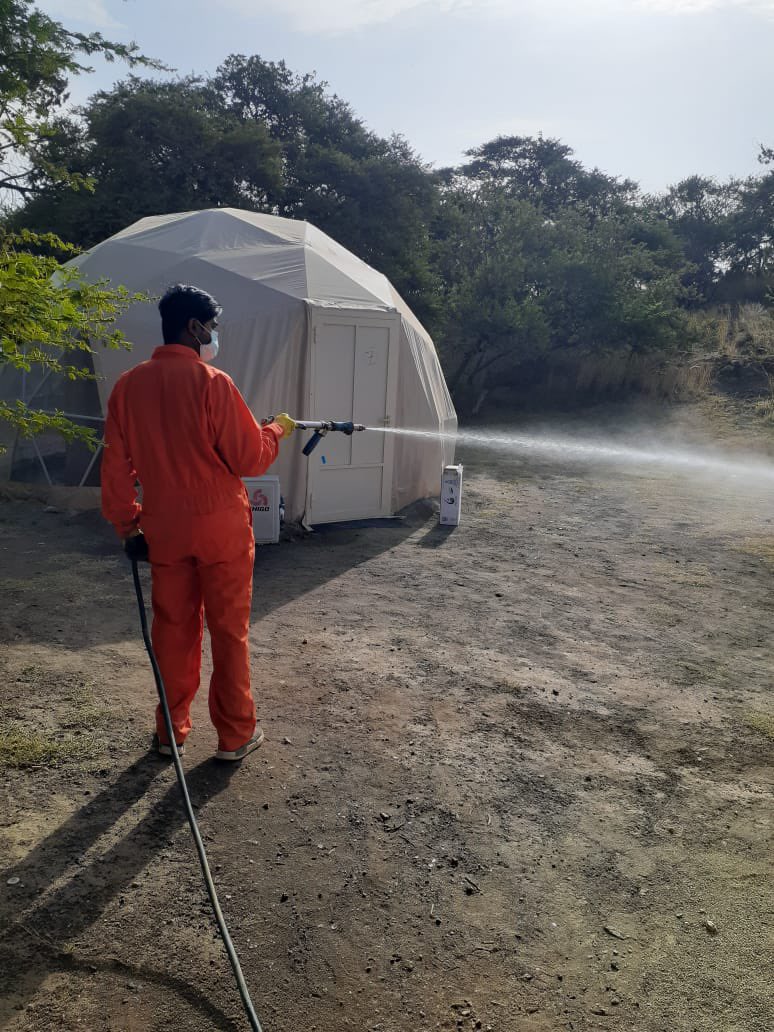
Baljurashi Municipality, represented by the Services Department, continues environmental sanitation work through field tours of spraying and control teams in separate locations
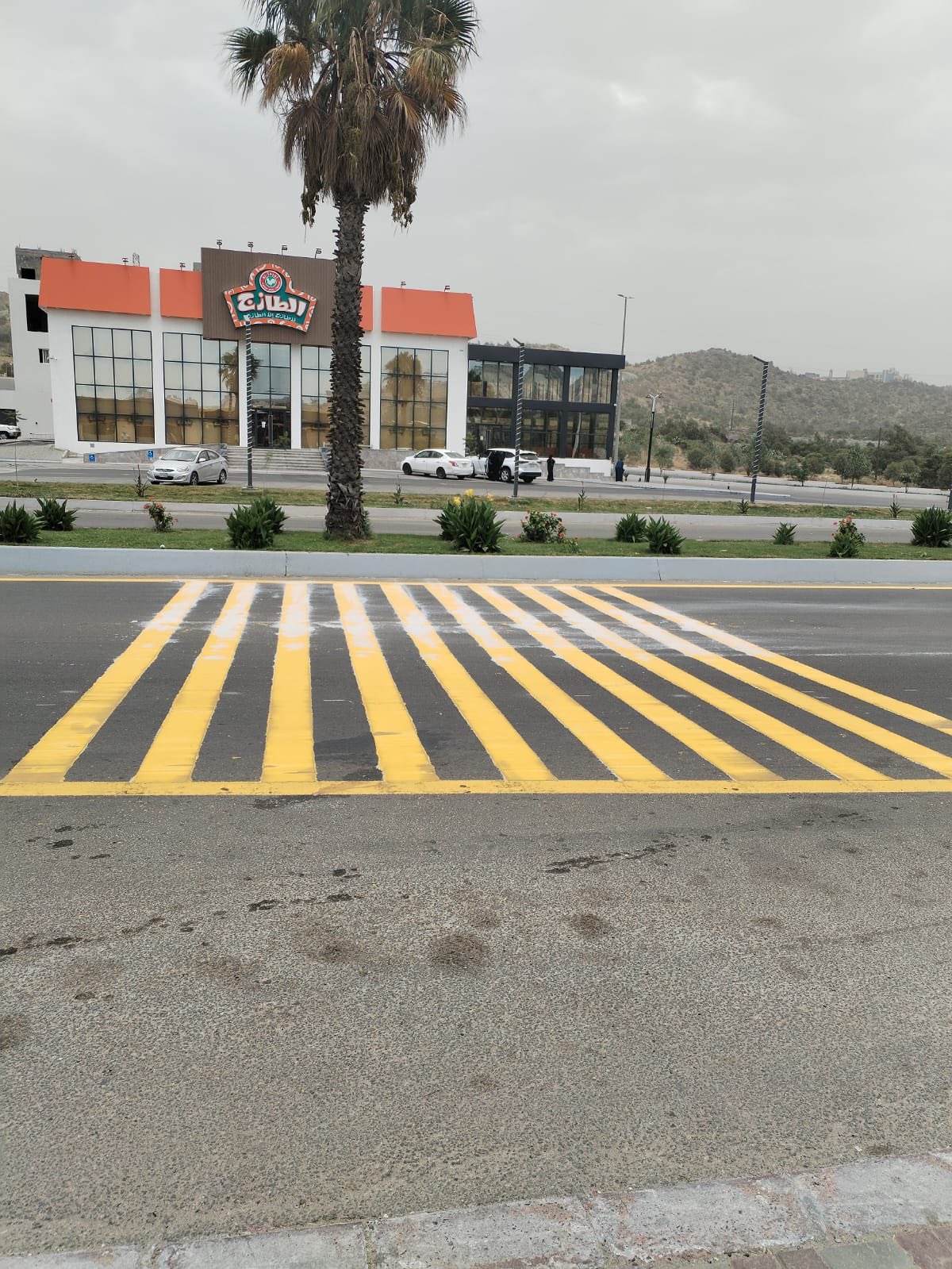
Baljurashi Municipality represented by the Utilities Department with paint maintenance work on King Abdulaziz Road
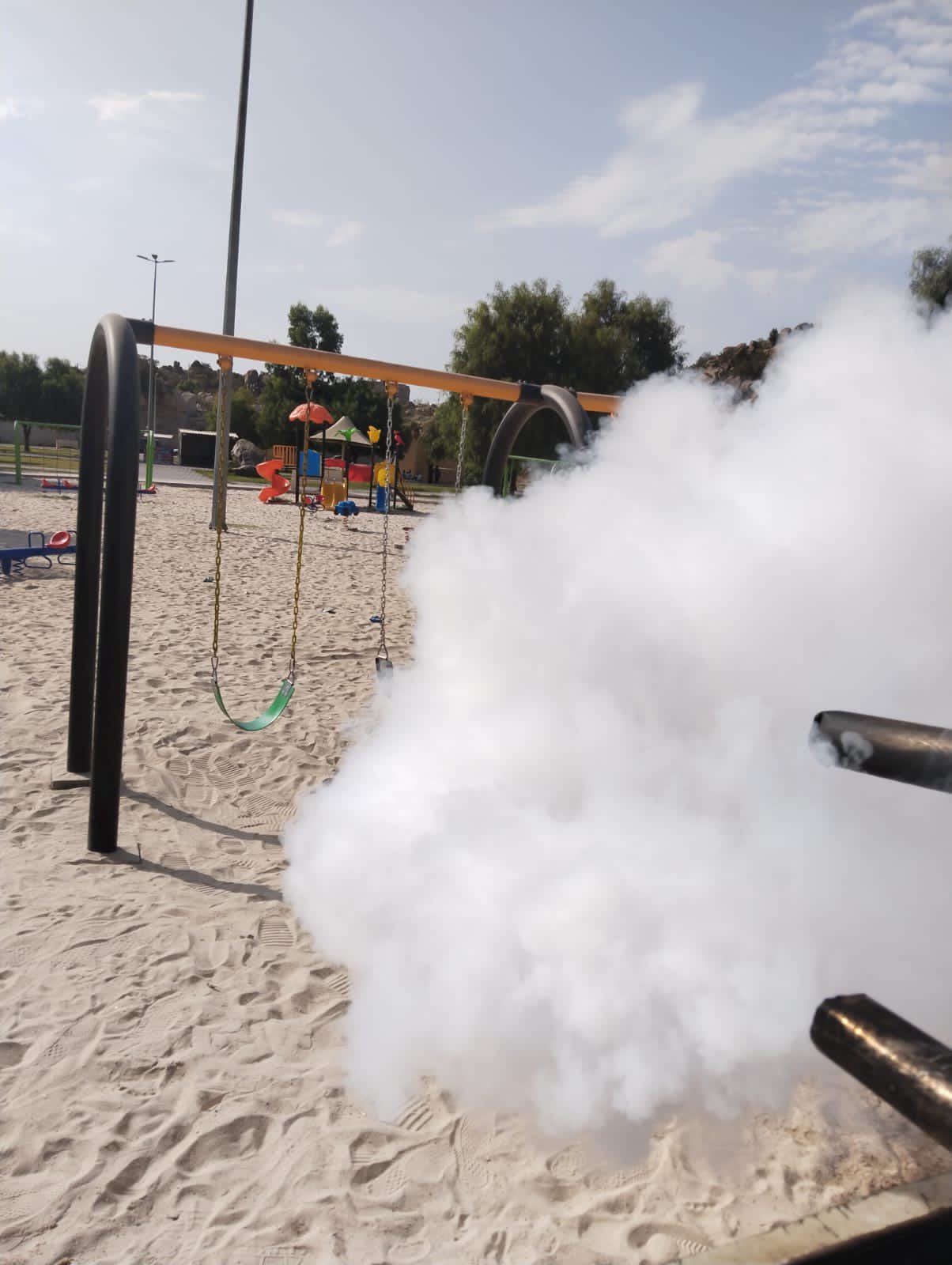
The Department of Services continues to carry out environmental sanitation work through field visits of spraying and control teams in separate locations
Location - New Baljurashi Municipality Building
Qaem - operating a standing kiosk opposite Prince Mashari Bin Saud Hospital
A project to establish markets and buildings and develop the industrial area
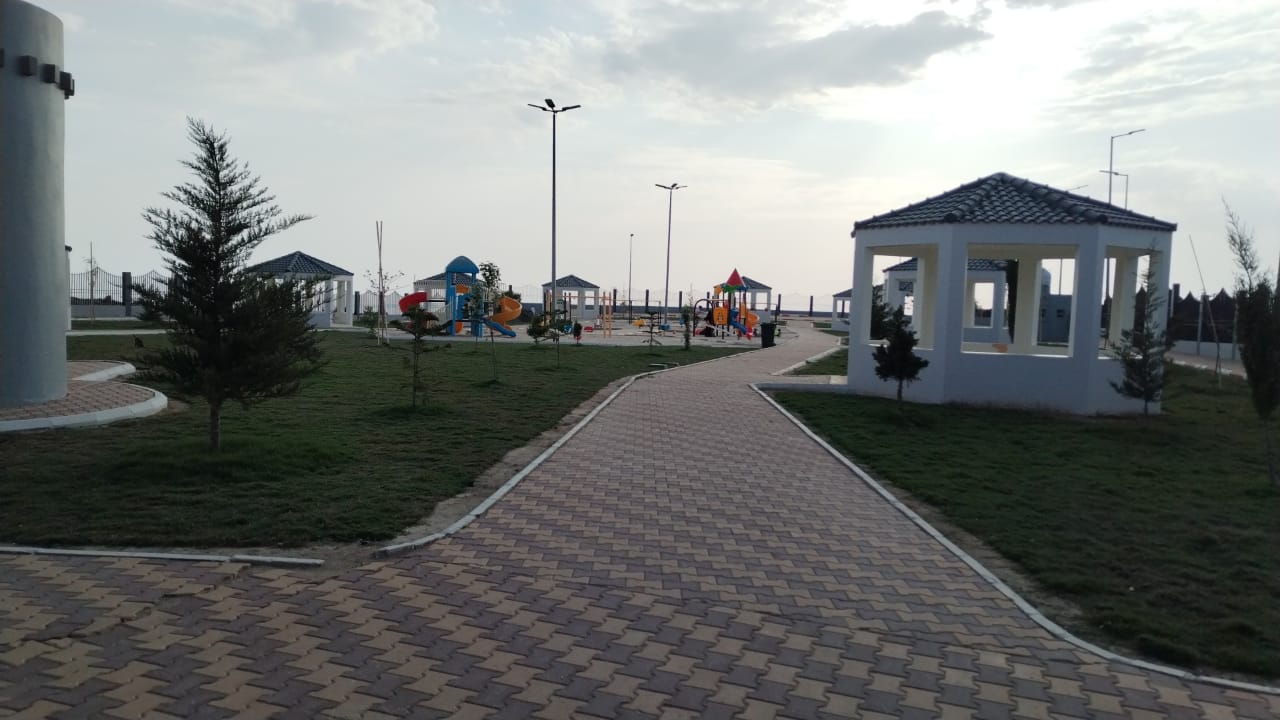
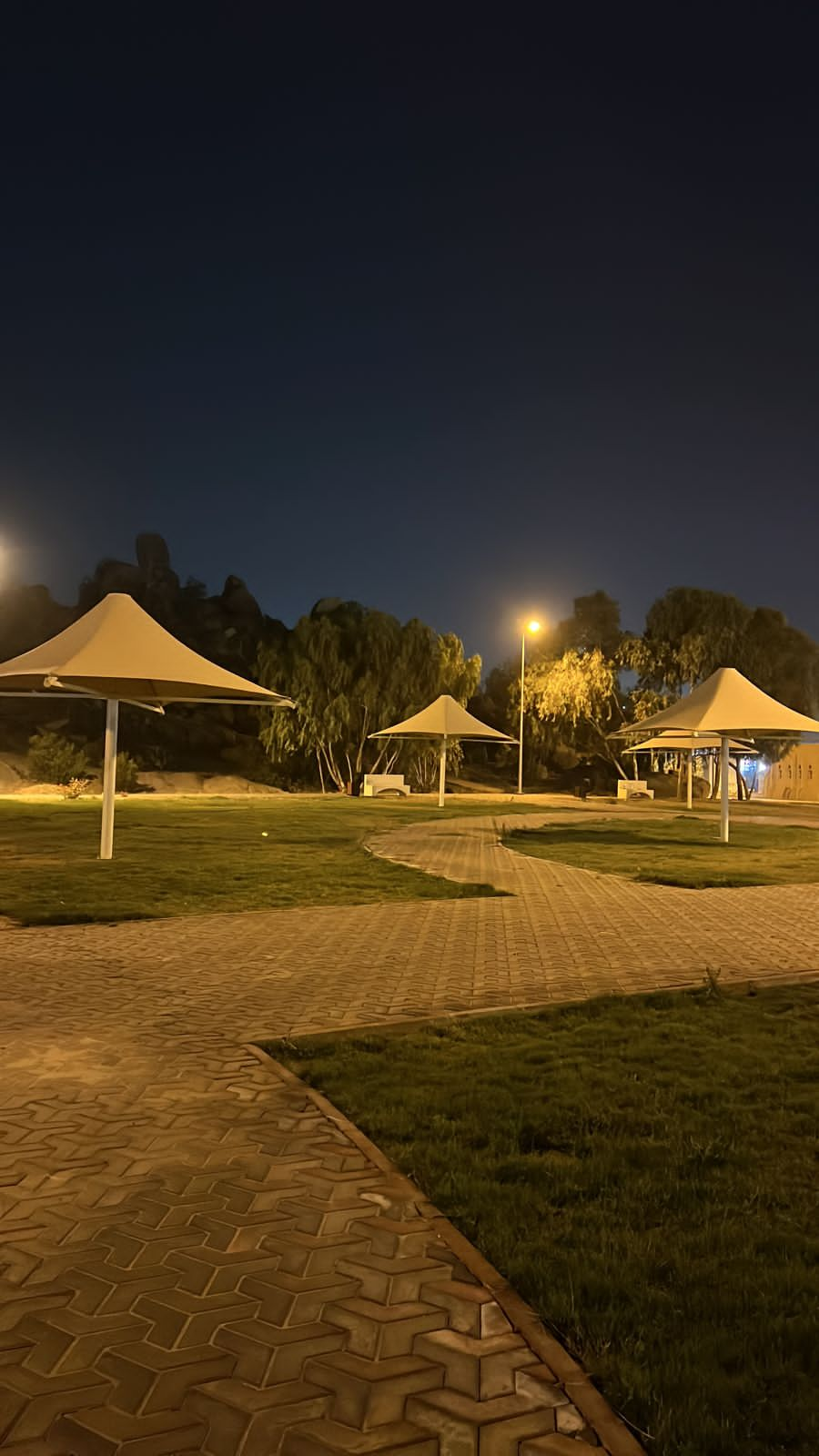
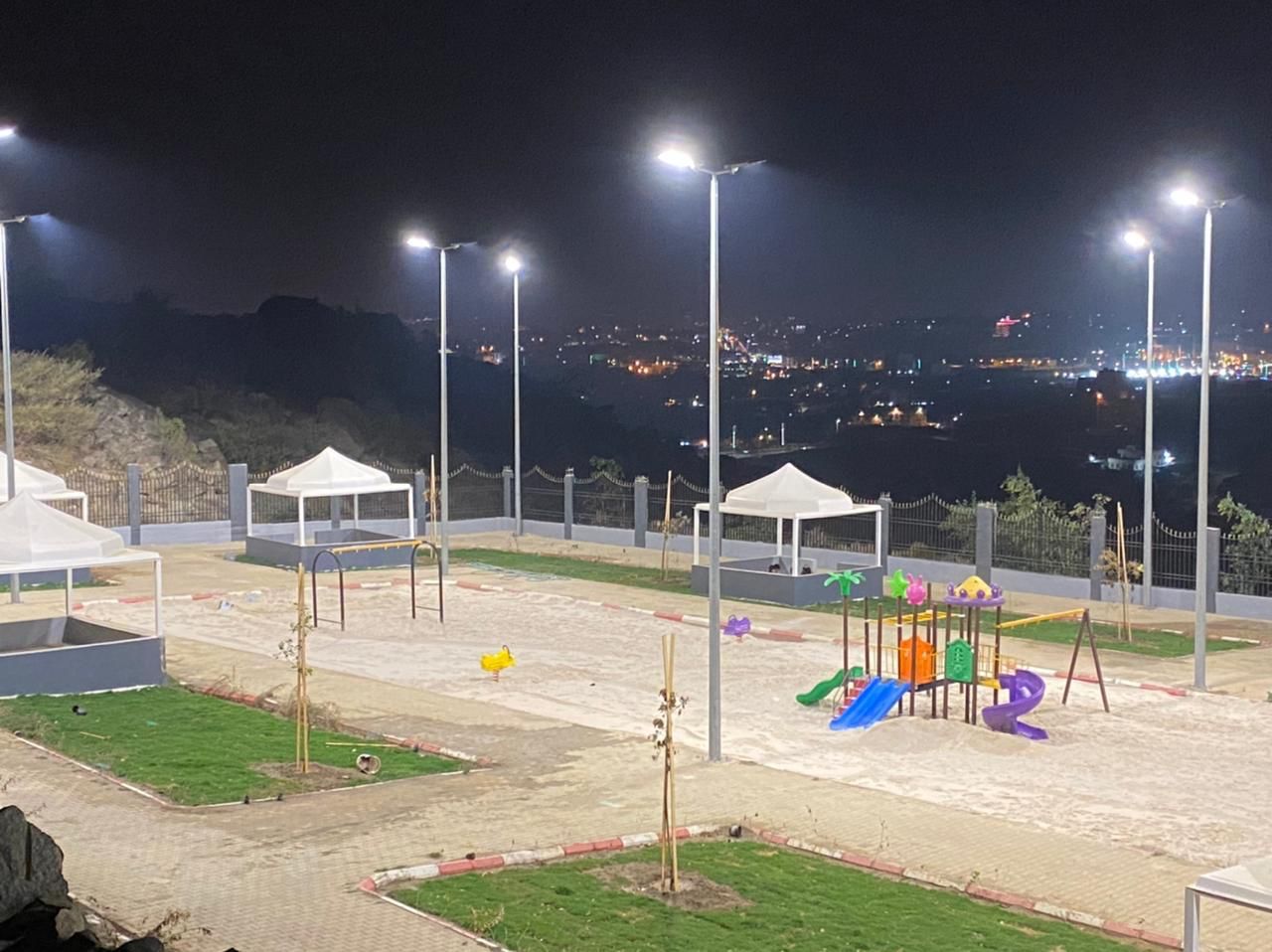
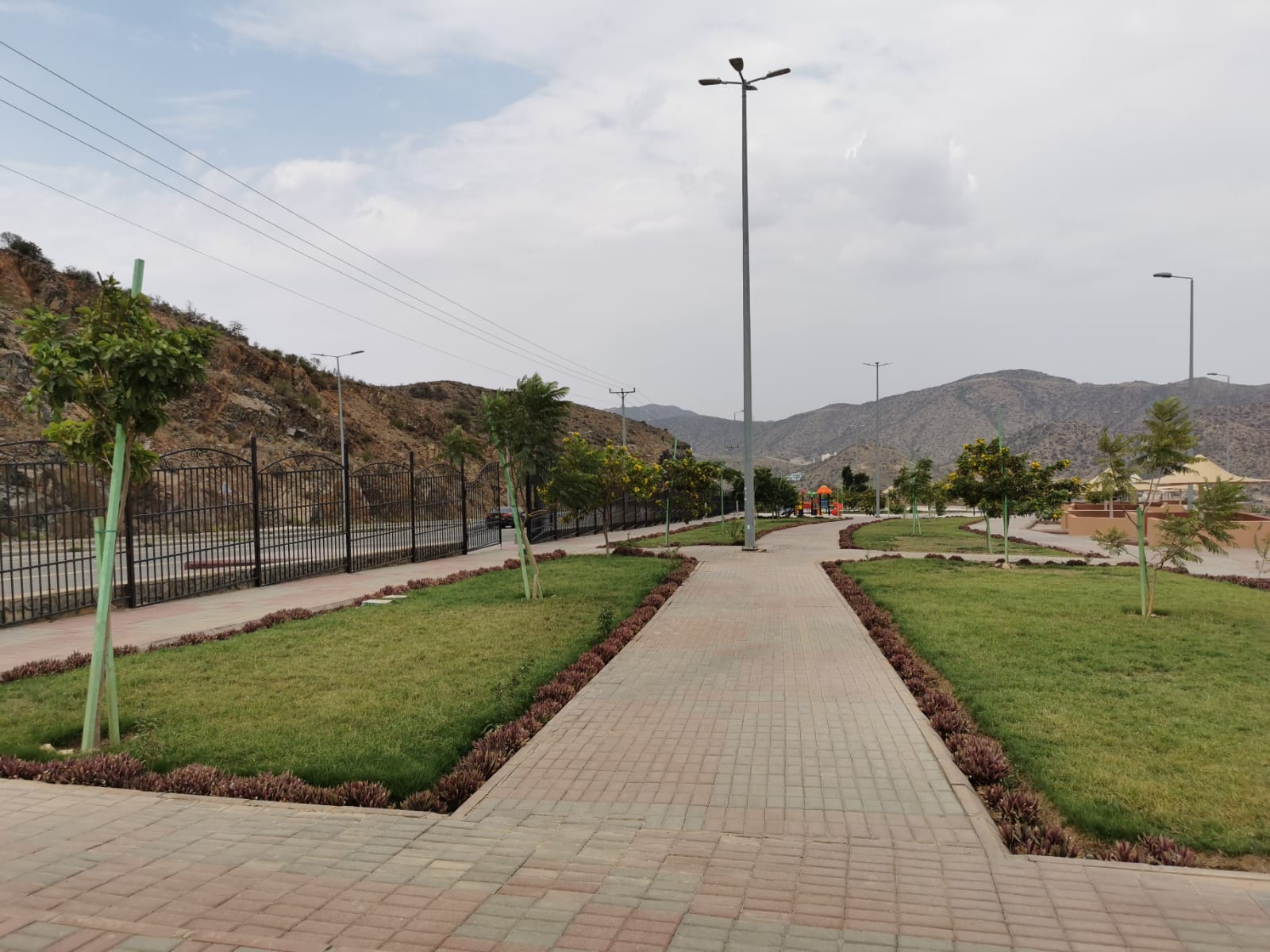
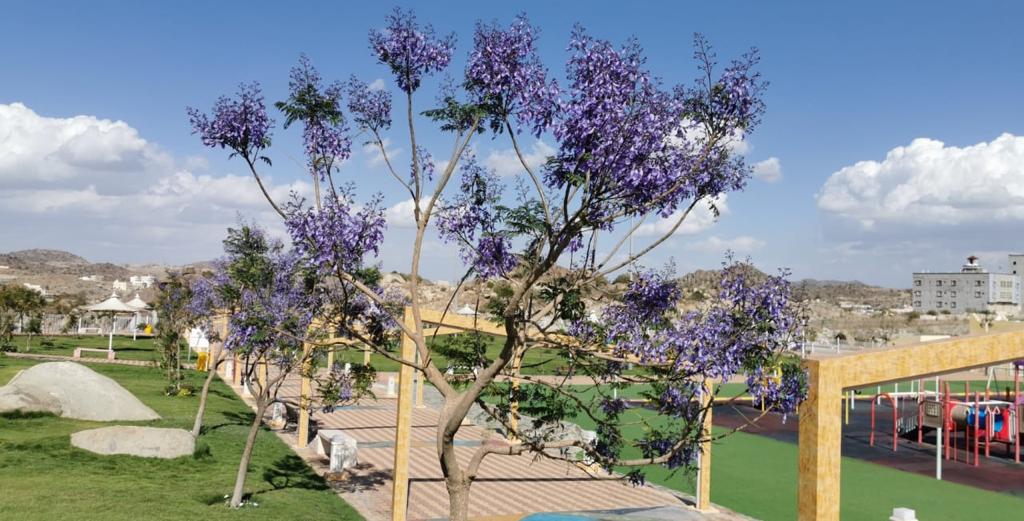
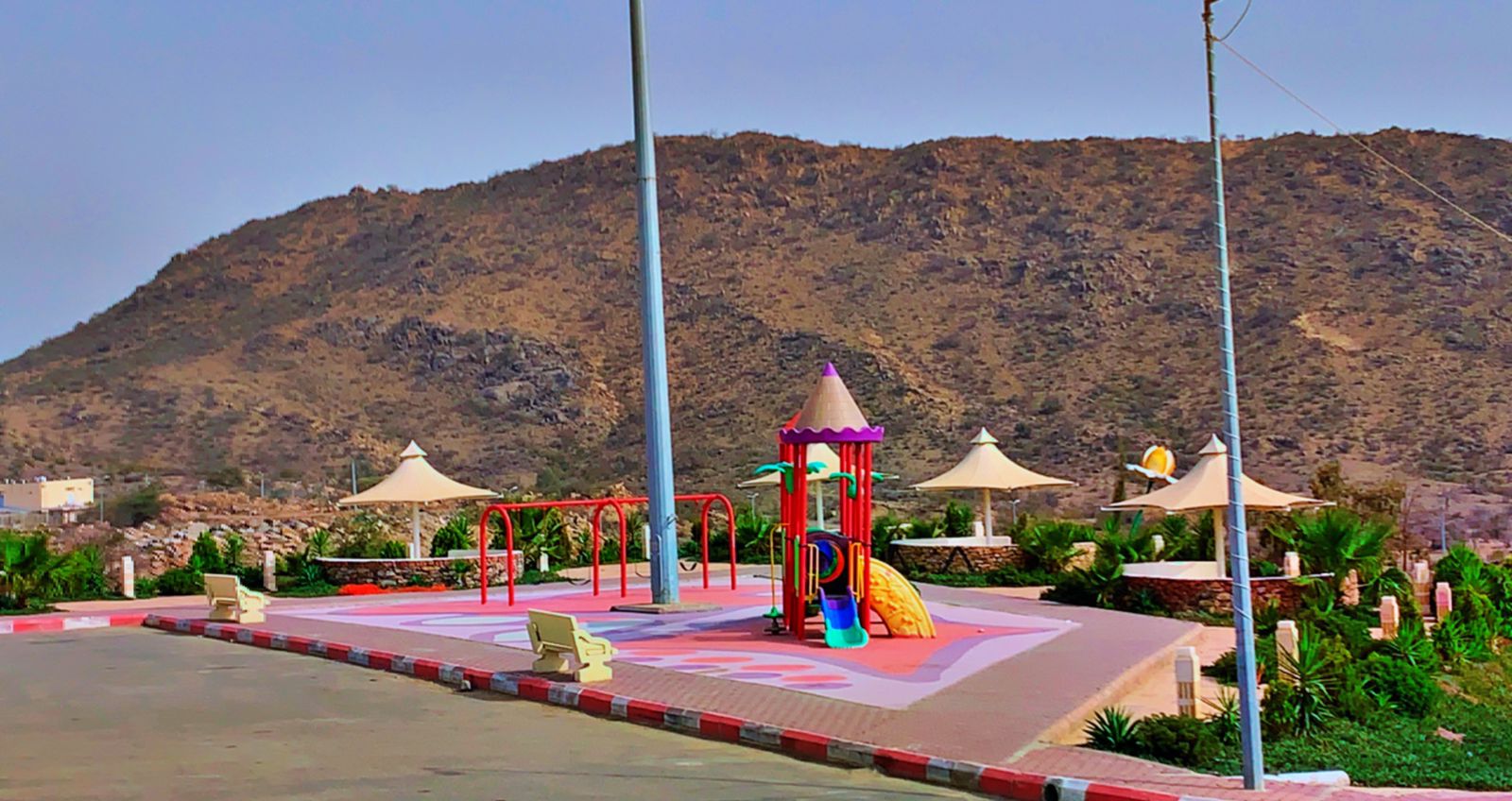
A project to establish gardens, walkways and squares
Baljurashi Municipality looking to sell returned items of vehicles, equipment, and unusable scrap. For inspection, we hope to review the General Department of Financial Affairs within a maximum period of fifteen days if anyone wishes to benefit from it
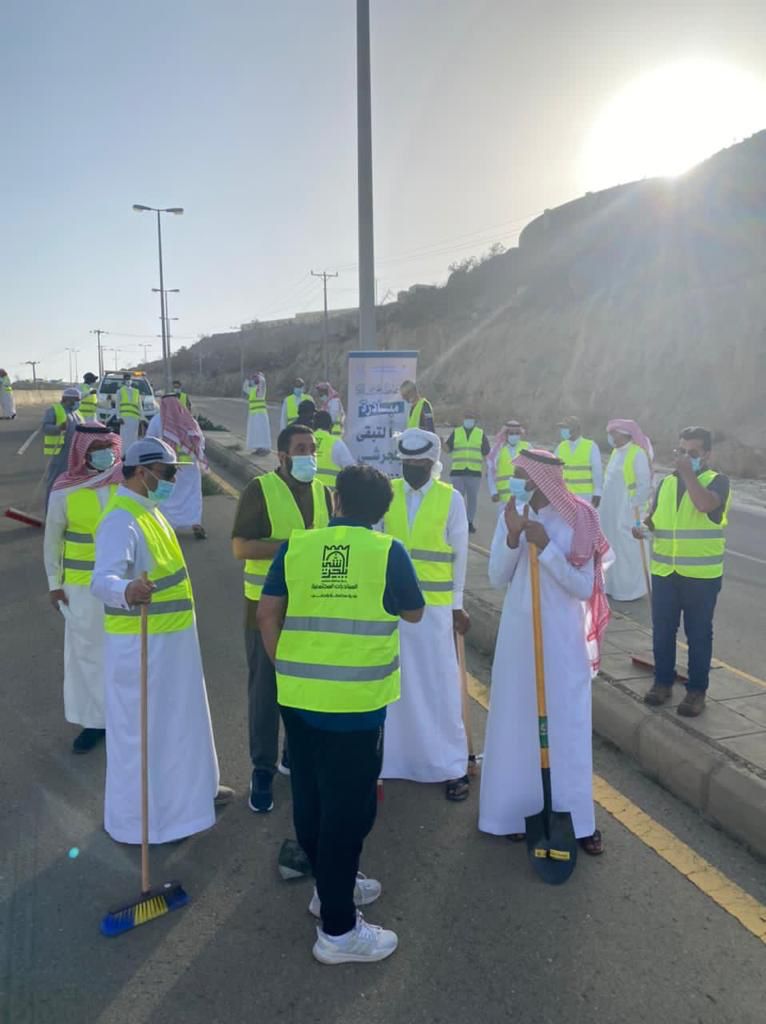
An initiative to clean part of the tourist road in Umm Ghaith with a length of 4 km
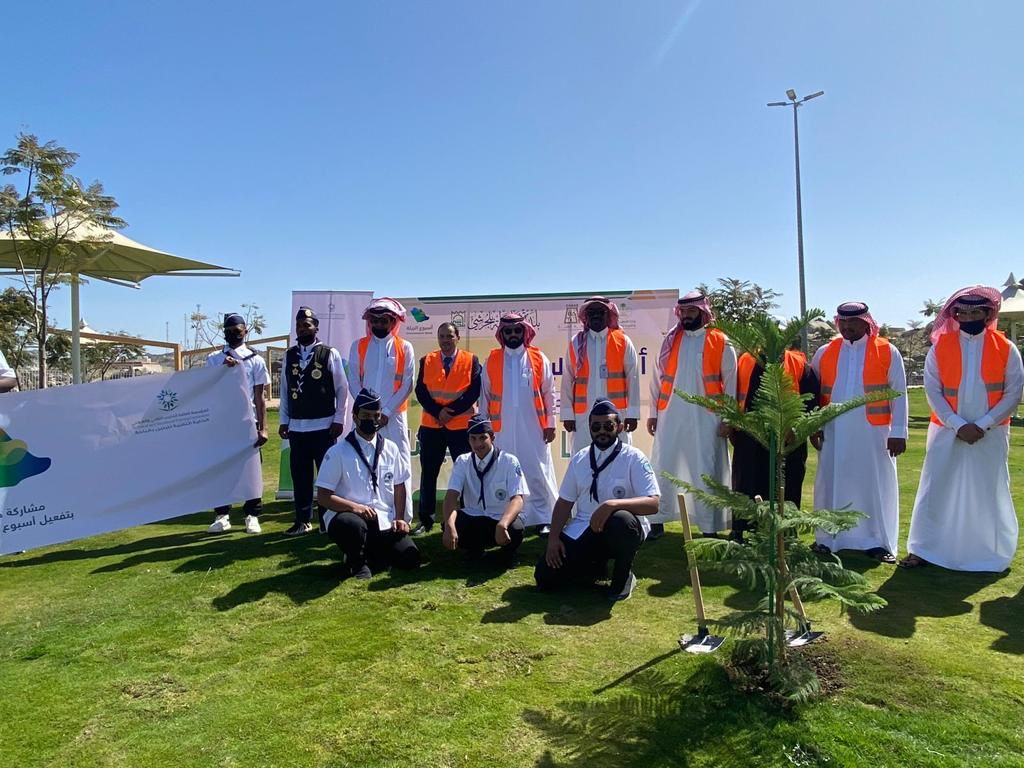
Our environment initiative is our responsibility, in partnership with the Technical College, planting 350 seedlings
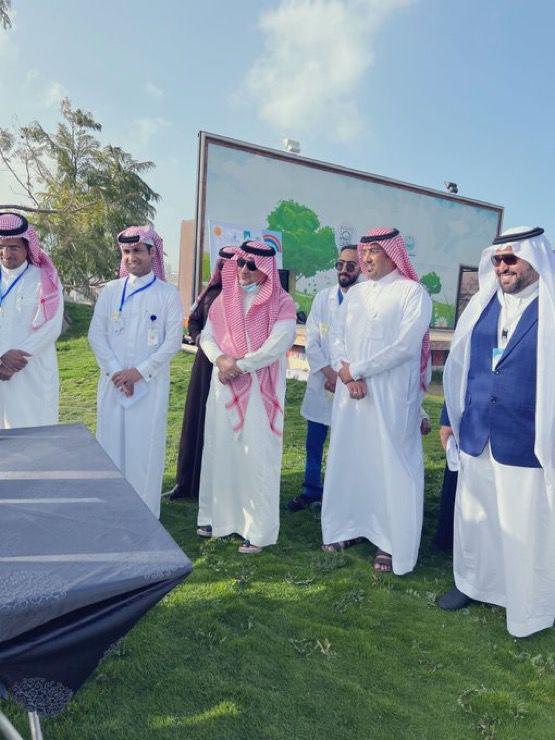
Child Health and Cancer Initiative, in cooperation with the Ministry of Health and the Saudi Red Crescent Authority, educating and raising awareness.
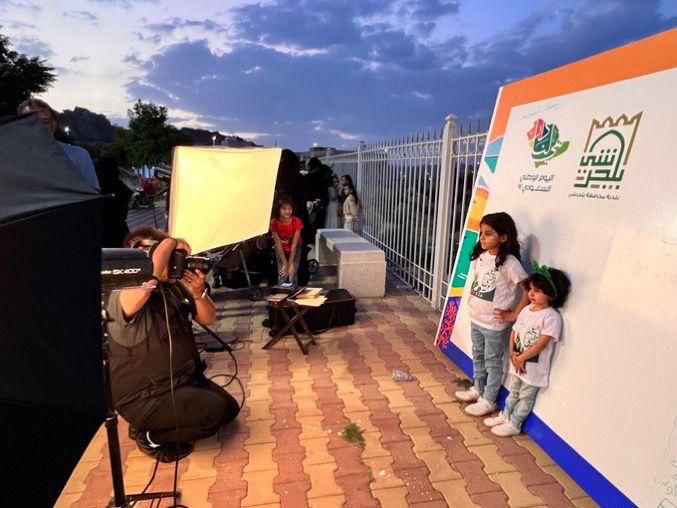
Participation in the activities of the National Day 92. Organizing events and distributions in several locations
The Al-Baha Region Municipality invites you, in cooperation with the Libraries Authority of the Ministry of Culture To attend Our Kids Read events
A celebration was held by the people of Baljurashi Governorate on the occasion of the 93rd Saudi National Day at the Baljurashi Front headquarters near Al Dana Park.
Under the patronage of His Excellency the Governor of Baljurashi, Mr. Nayef bin Muhammad Al-Hazani, and the presence of His Excellency the Mayor of Baljurashi, Mr. Muhammad Abdul-Wahab Al-Suairi, with the participation of the Hijaz Club and the Baljurashi Infantry, a walking event and celebration of National Day 93 was held.
The parents' farm is 19 km away from the center. It embodies the efforts of the people of the promising region to advance our region to be a tourist destination that reflects the splendor of our environment.
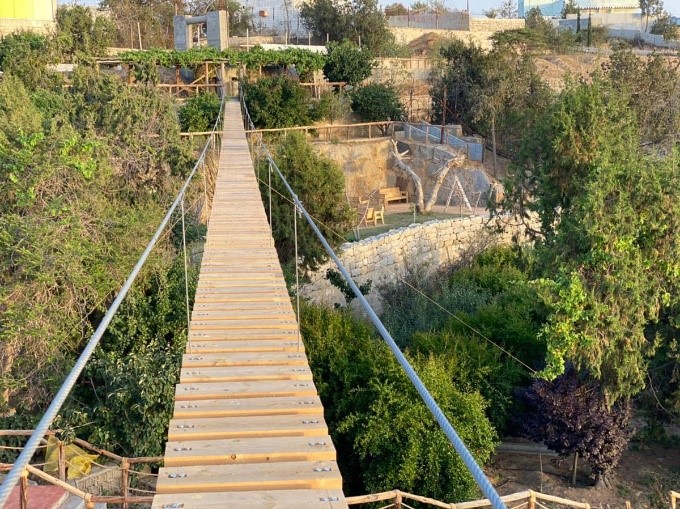
The Plant Bridge Farm is 22 km away from the center. It is located in Baljurashi Governorate, which provides its visitors from all over the country with a charming experience in the midst of nature and green spaces. Families and families in the Kingdom as a new outlet in light of the tranquility of the place and nature and enjoy watching the fruits, as it contains more than 250 fruit trees that are entitled to be picked by visitors and receive their visitors throughout the week from 2 pm until 9 pm and soon the opening will be from 5 am until 1 am
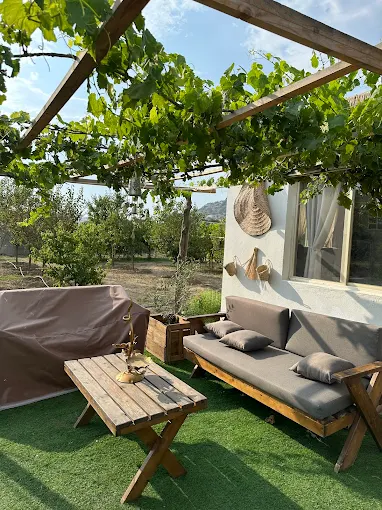
The chalet for families only features a main council, in addition to 3 bathrooms, 3 bedrooms, a living room, an indoor swimming pool, a kitchen, and many advantages such as a green area equipped with an outdoor session, children’s games (bouncing), audio speakers, a TV, and parking
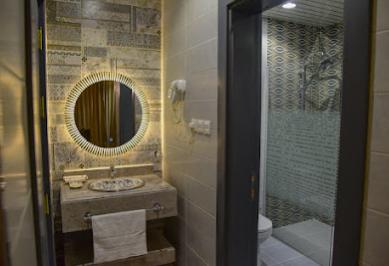
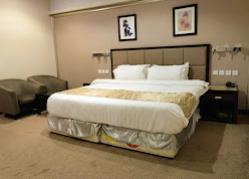
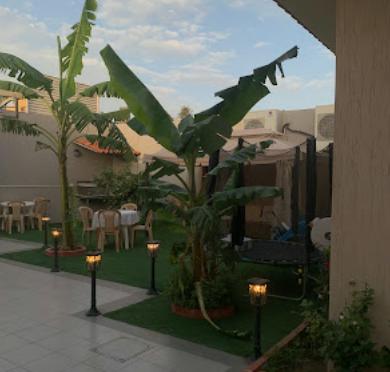
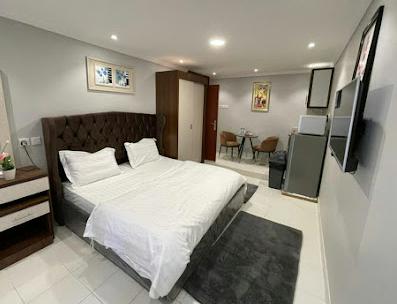
Located in Baljurashi, Villa Chalets and Villas Garden City Resort is an accommodation offering garden views, a garden and a terrace. The units are air-conditioned and provide a patio, a flat-screen TV, and a private bathroom with a bidet and free toiletries. The nearest airport is King Saud bin Abdulaziz Airport, 65 km from this villa
This palace was built by Sheikh Ali bin Mousa bin Kadseh, one of the notables of the region, one of the members of the first municipal council in the Emirate of Al-Dhafir when it was the base of the region, and one of the leaders of the Saturday market and the mayor of his village (Dar Al-Salamiya). In 1379 AH, he was succeeded by Prince Saud bin Abdulrahman Al-Sudairi, and this palace witnessed the reception ceremony of the Emirate for King Saud when he visited the region in 1374 AH, and the Tourism and Antiquities Authority (formerly) adopted it as a tourist and archaeological landmark in the region.
Located about 2 kilometers south of Beljarashi, the forts are a group of pyramid-shaped towers that spread on a number of mountain peaks and huge rocks overlooking the villages, overseeing the homes and farms of the people to protect and guard them. The shape of the forts is like towers and consists of a wide square base at the bottom and narrows as the height increases, sometimes up to 20 meters, and its top is decorated with a tower called (Dukun), which is a group of rectangular stones, which are installed a meter away from the fort, then a wall is built on top of it with a height of up to a meter called (Al-Jun) to protect the fort from intrusion. The joun was decorated with white marrow stones in the form of a belt at the top or in the form of triangles to represent the surface, and each fort has a small wooden door at the bottom. But this is not present in this group of forts. The forts were built using the method of load-bearing walls. Mainly from stones stacked on top of each other and are according to the shape of their natural section and are of various colors
Al-Baraka neighborhood is located on the northeastern side of the city of Beljarashi on the tops of a number of hills, and a number of its houses extended to the valley, and the neighborhood was inhabited by members of the Ghamid tribes in Saraya, consisting of three branches (Al-Saqita, Al-Morsha and Al-Baraka). The neighborhood contains a number of residential houses, which are mostly one-story, except for a number of houses that consist of two floors. Their walls were built using stones stacked on top of each other in an artistic way that requires high professional expertise, and they were shortened from the inside with a thick layer of mud and adobe. The roofs were built using tree trunks or square wood, topped with a layer of tree branches or wooden planks, and topped with mud and mud. They are based on rectangular wooden columns topped with a larger piece that resembles the crown of the column and is decorated on all sides and is known locally as a mizrahi. Locally known as (Mizrah). The mizrah is considered a distinctive architectural element of this architectural style in this region. The staircase leading to the second floor was built using large-sized stones that were installed prominently from the facade in a distinctive architectural and structural formation. The doors of the houses were also characterized by their thickness, made of thick tree woods and often painted with tar to maintain their hardness and strength, and a number of them were colored in bright colors, predominantly indigo blue. It can be observed that the houses of the neighborhood are separate and adjacent, and although a number of them are dilapidated, a number of alleys are formed between them, which create an architectural fabric expressing the local pattern in the planning of the heritage village
The Bani Amer neighborhood is located in the northeastern part of the city of Beljarashi, bordered to the north by the Al Amer neighborhood, to the south by the Al Baraka neighborhood, and to the east by King Khalid Road. The establishment of the neighborhood dates back to the Arab migration after the collapse of the Marib Dam. Most of the neighborhood's houses are one-story, mostly abandoned, and are adjacent or adjacent to each other, forming narrow alleys and corridors, some of which are roofed with tree trunks and mud. The houses are built using natural, unkempt stone of varying sizes, and the roofs are built with mud over tree branches. The architectural style is typical of the southern region of Saudi Arabia
Al-Hamid village is located southeast of Beljarashi center, about 17 km from it, and is bordered to the east by the village of Al-Farah. The village contains a small number of heritage buildings. The village contains a small number of old one- and two-story buildings, most of which are abandoned and dilapidated. The walls of the village's houses were built using stones cut to fit the building, which are semi-finished, basalt-type stones found in various colors. They were shortened on the inside with a thick layer of clay and mud. The building stones were installed in a highly artistic manner and in a compact manner to ensure the cohesion of the walls. The roofs were built using logs and square-sectioned wood, topped with a layer of tree branches and mud and mud. In a number of houses, roofs were built on rectangular wooden columns topped with a larger piece of wood that resembled the crown of the column, known locally as the mizrahi. The mizrah is considered a distinctive architectural element of this architectural style in that region, and the doors and windows of the houses are characterized by their thickness and are made of thick tree woods. They are beautifully decorated, and a decorative wooden frame can be seen around the architectural openings in the square windows. Within the boundaries of the village there are a number of modern buildings
Al-Jahafin village is located southeast of Beljarashi center, about 15 km from it, on rocky hills overlooking the surrounding valleys. Most of the houses are semi-finished and made of black basalt. The village was one or two stories high and the walls were built using stones cut to fit the building, which were shortened on the inside with a thick layer of mud and yogurt. Solid basalt stone was used in the construction of a number of external inserts, which are beautiful and characterized by a high level of construction craftsmanship. However, a large percentage of them are abandoned and dilapidated. The roofs were built using tree trunks, topped with a layer of tree branches, and topped with mud and clay. In a number of houses, there were roofs resting on rectangular wooden poles topped with a larger piece that resembled the crown of the pillar, known locally as the mizrahi. The mizrahi is a distinctive architectural element of this architectural style in this region. In a number of houses, the use of bright colors was found. Bright colors with decorations, especially on doors and windows. It was also noted that the houses in the neighborhood are adjacent to each other, and a number of them in a compact form, which led to the formation of a number of alleys between them. This creates an architectural fabric that expresses the local pattern in the planning of the heritage village, which follows the fortified village system
It is one of the villages of Bani Kabir in Al-Baha and its flat land is surrounded by a number of hills, and the village contains a few heritage buildings. The village contains a few old buildings consisting of one or two floors, and most of them. Their walls were built using stones stacked on top of each other in an artistic way that requires high professional expertise, and they were shortened from the inside with a thick layer of mud and mud. The building was built using stone according to the shape of its natural section, which is of varying sizes and diverse shapes, and it is noted that the craftsmen were creative in the formations of external facades and architectural openings through : Stone protrusions and stone staircases. Roofs were also built using tree trunks and a layer of tree branches, topped with mud and milk, and in a number of houses there were roofs resting on rectangular wooden columns topped with a larger piece that resembles the crown of the column, known locally as (Mizrahi). The mizrah is considered a distinctive architectural element of this architectural style in this region. The doors and windows of the houses were characterized by their thickness. The doors and windows of the houses are characterized by their thickness and are made of thick tree wood, and a decorative wooden frame can be seen around the architectural openings. The juxtaposition of the buildings resulted in the appearance of the village in the form of an architectural fabric expressive of the local pattern in the layout of the heritage village
The village of Bani Salem is located south of Al-Baha city on the main road, and is about 7 km towards north from Belgarshi. It is one of the villages of the Bani Kabir tribe in Sarat Ghamd, with the sheikhdom of the Bani Dhabi tribe. The remaining ancient buildings are located on the rock hill, which is scattered around many modern buildings. The number of remaining of this buildings is very small and it is surrounded either by rocks or modern buildings so that it is hardly seen as a homogeneous heritage village body. Most of the buildings are contiguous, and it was built on the natural rocky ground. Most of its houses consist of one or two floors, and the predominant percentage of the village houses are partially destroyed and abandoned. The roofs were also built using tree trunks and above them a layer of tree branches, above them mud and milk, and there were found in a number of houses roofs based on rectangular wooden columns topped by a piece of the largest area that resembles the crown of the column and was known locally as (Al-Muzrah). Al-Mazrah is considered a distinctive architectural element of this architectural style in that area. A wooden frame decorated around the architectural openings can be seen in a number of houses. The village of Bani Salem was formerly famous for its Monday market.
The village of Al-Habb is located 22 km southeast of the center of Al-Baha city, and 15 km to the south from the city of Belgarshi. The village of Al-Habb, which means Al-Akma, is one of the villages of the tribe of Bani Kabir in Sarat Ghamid and is located on the foot of the mountain overlooking the modern village. The village contains a small number of old heritage buildings consisting of one or two floors, most of which are abandoned and destroyed. The village is surrounded by a modern building that overlaps with it and the old building stands out through its distinction, as its walls were built using cut stones to suit the building. They are semi-polite and its type of basalt and found in multiple colors. Its shortness was done from the inside with a thick layer of clay and milk. The building stones were installed in a high-quality technical way and in a compact manner that ensures the cohesion of the walls. The roofs were also built using tree trunks and wood with a square section and above it a layer of tree branches, above them mud and milk, and there were roofs found in a number of houses based on rectangular wooden columns topped by a larger piece of the area that resembles the crown of the column and was known locally as (Al-Mazrah). Al-Mazrah is considered a distinctive architectural element of this architectural style in that area. The doors and windows of the houses were distinguished by their thickness and were made of thick wood. It is beautifully decorated, and a wooden frame decorated around the architectural openings in the square windows can be seen. In a number of houses, a number of wooden ornaments were found to be colored beautifully and attractive. The majestic patch tree is one of the prominent landmarks of the village, and it is one of the largest trees in the Kingdom in terms of its size, trunk size, thickness of branches and extension.
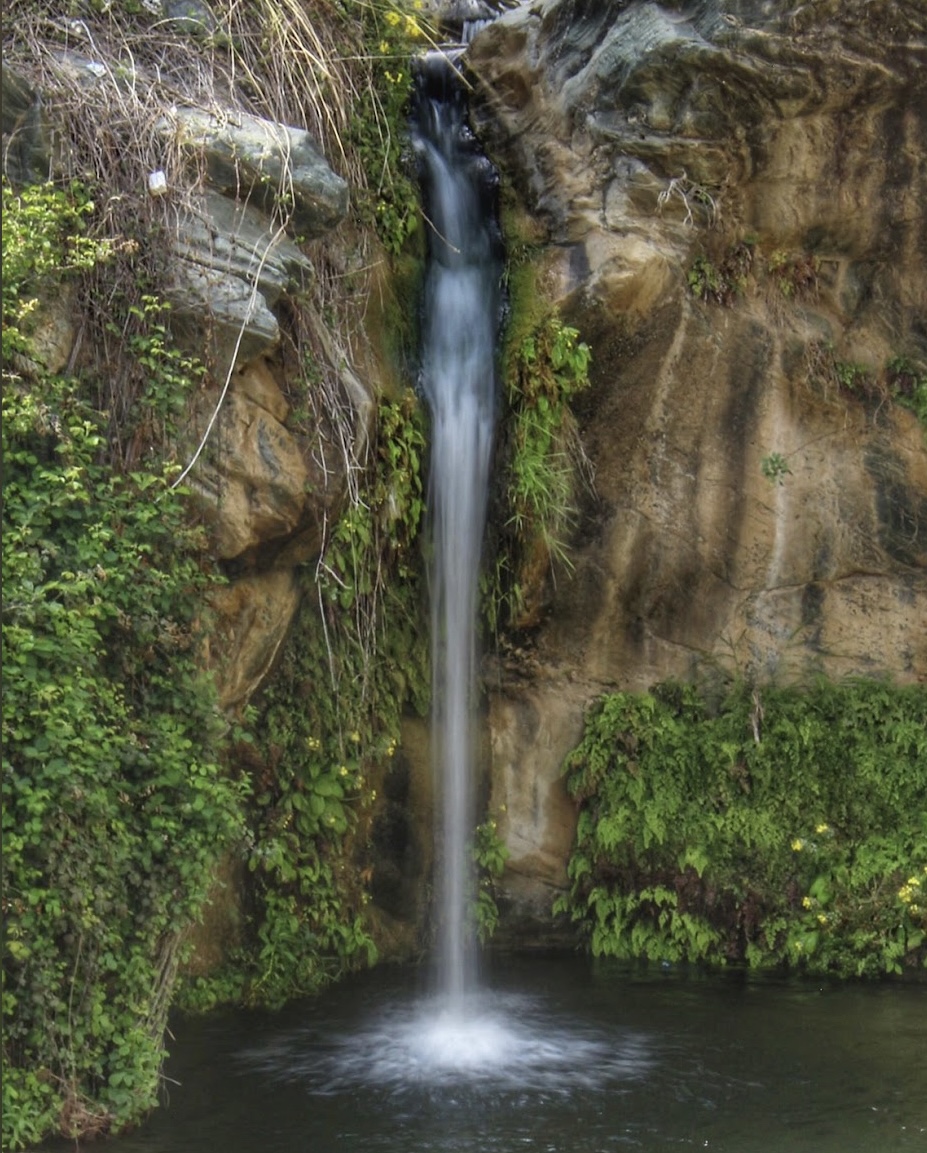
Al-Hamda Waterfall is one of the beautiful natural attractions that adorns the Al-Baha region in Saudi Arabia. This waterfall is famous for its picturesque beauty and pure water that flows from the high mountains to form a charming painting. Al Hamda Waterfall consists of several small and medium-sized waterfalls that fall from varying heights, creating a breathtaking view that attracts visitors from all over the world. The waterfall is surrounded by dense vegetation and perennial trees, giving the place a special splendor.
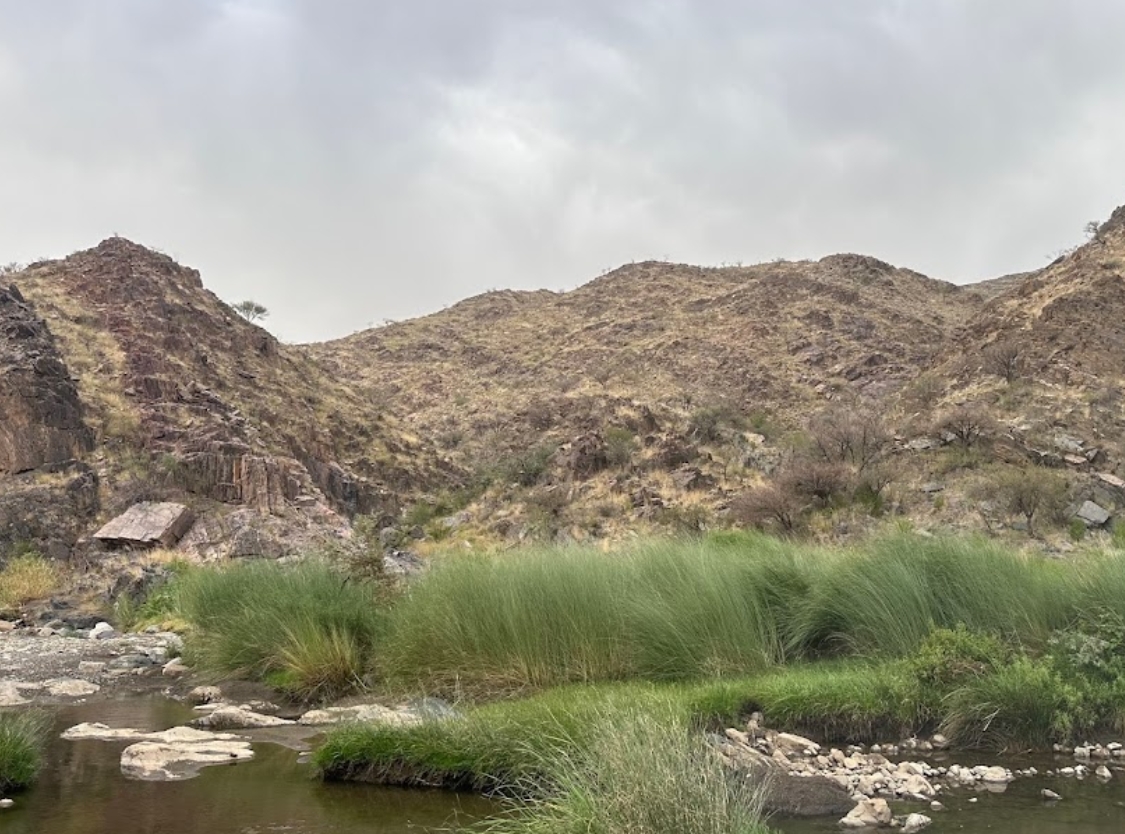
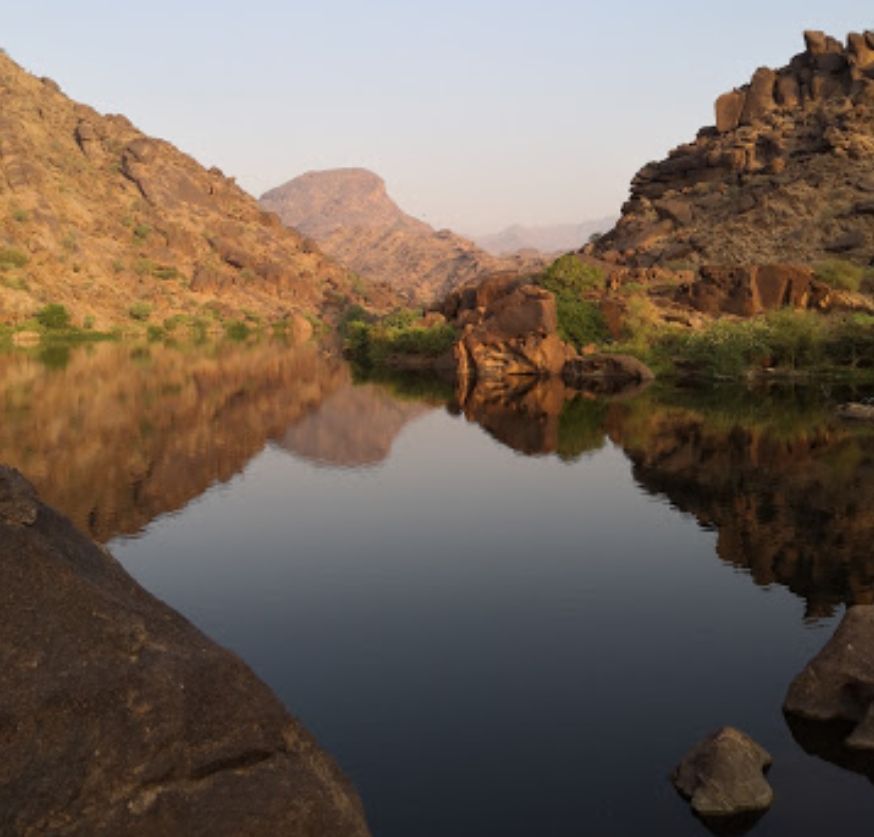
Wadi Madhoud Baljarshi, the jewel of nature in Al Baha Wadi Madhoud in Baljarshi, Al Baha is one of the most beautiful natural destinations in the Kingdom of Saudi Arabia. This valley is characterized by its fresh water that flows throughout the year, its picturesque mountainous terrain, and the green vegetation that covers its sides.
Atharb Falls, the jewel of nature in Al Baha Atharb Falls is one of the most prominent natural landmarks in the Al Baha region of Saudi Arabia, specifically in Baljarshi Governorate. The waterfalls are famous for their breathtaking beauty and natural charm that attracts visitors from all over the Kingdom.
Wadi Al-Khaitan is a large valley located in Balad Al-Awamer in the Tihama region in southwestern Saudi Arabia, starting from the western end of the Sarat Al-Balchem Mountains heading south and is a tributary of Wadi Batat. In the dialect of the locals, the name Al-Khaitan refers to tall juniper trees, one of which is Khut. Geographically, the valley is located in Bilad Al-Awamer in the Tihama region and belongs to the Al-Baha region and is about 35 kilometers away from Baljarshi Governorate, and the valley extends to an area of more than twenty kilometers, forming an extension of the officially recognized borders of Baljarshi Governorate. From the Hejaz side, the valley is bordered by Aqabat Al-Abwal, with its towering heights, picturesque views, and the remains of its water streams. It is bordered on the Tihama side by the village of Al-Khaira, which is located in the Baljarshi governorate as its last official border from the Al-Baha region.
The Abdan Heritage Village in Al Baha City, Baljarshi Governorate, is one of the historical treasures of the region, which tells the story of the life of our ancestors and their ancient heritage. This village is characterized by its unique architecture that reflects the harmony between man and his environment, and highlights the skill of ancient craftsmen in using natural materials to build their homes and villages.
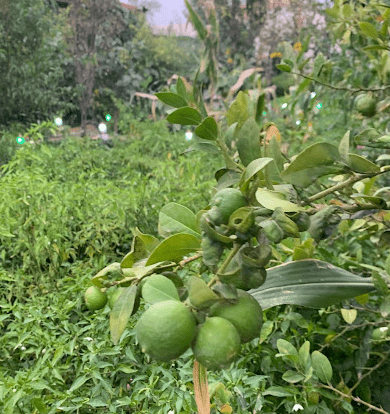
Al-Khazim Farm in Al-Baha, Baljarshi Governorate Al-Khazim Farm is characterized by its location on the lake of Al-Talqiya Dam and the diversity of seasonal fruit trees in it In this visit to this beautiful farm, our dear guest can pick fruits from the trees and eat them fresh there, and you can also buy fresh fruits from them.
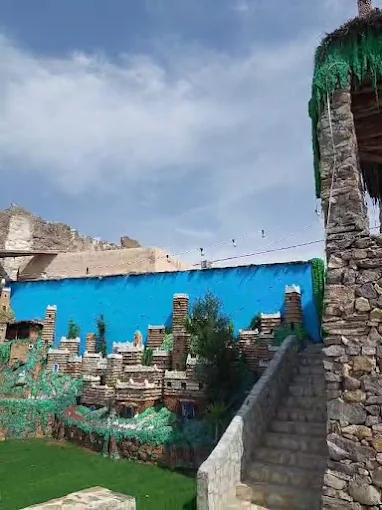
The Ibnu Museum in Baljurashi is a heritage museum located in Souq al-Sabt, a popular market in the Al-Baha region. The museum comprises two main halls and three rooms displaying a variety of heritage artifacts, including weapons, agricultural and household tools, traditional clothing, and models of traditional factories, such as tar and plastering plants.
The Bani Jarra Village Museum in Baljurashi showcases the agricultural and cultural heritage of the region. The museum focuses on displaying ancient agricultural machinery and other aspects of local Baljurashi culture.
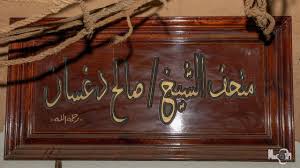
The Al-Daghsan Museum and Farm is an agricultural cultural experience that combines exploring the region's local heritage with learning about the rural lifestyle of the Al-Daghsan family in Al-Baha. It's a great choice for those seeking an educational trip in a natural and heritage setting, suitable for families, small groups, and family history enthusiasts in a traditional Saudi setting.
Dar Al Souq village is located in the center of the central administrative region of Baljurashi Governorate. It has been the capital of Baljurashi since ancient times, and hosts the famous Saturday market, which was the commercial center of the southern part of the Sarawat Al-Ghamdi Plain, where people from Sarawat, Tihama and the desert, including the people of Bisha, would come to shop.
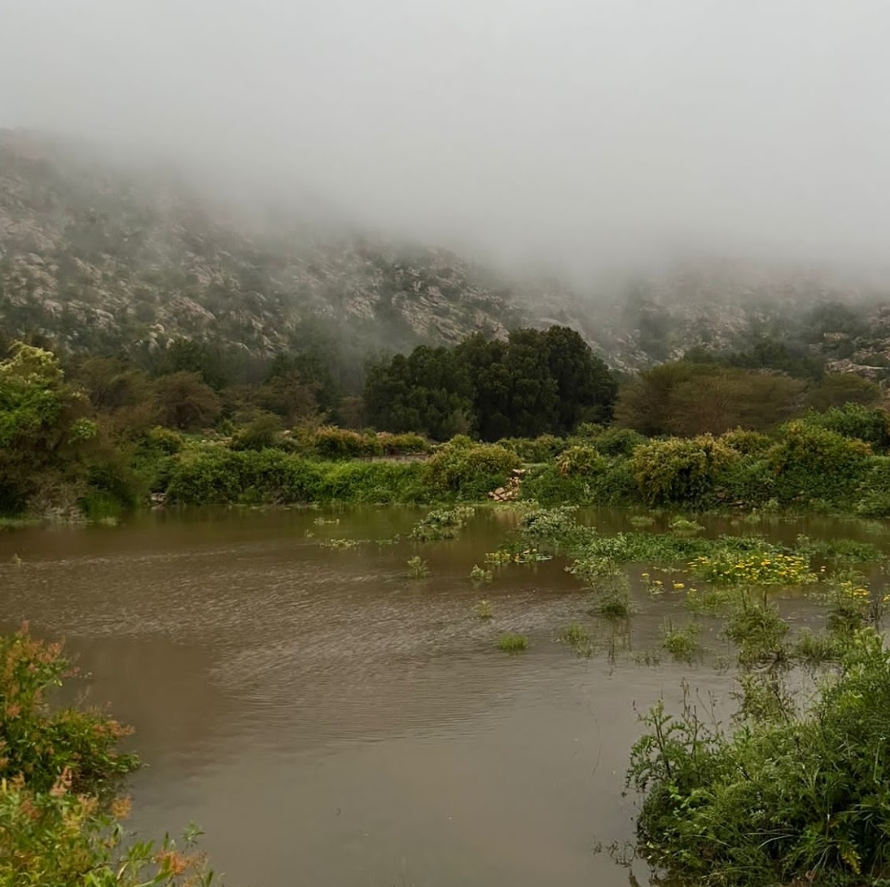
Al-Qama Dam is a scenic dam located in the Al-Qama village, part of the Al-Shateeba Center in Baljurashi Governorate, Al-Baha region. The dam is surrounded by lush green mountains and dense trees, creating a stunning natural setting ideal for nature lovers, photographers, and outdoor trips. The dam fills with rainwater and seasonal runoff, forming a picturesque lake that reflects the surrounding hills. The area is perfect for relaxing picnics and nature walks, especially during pleasant weather.
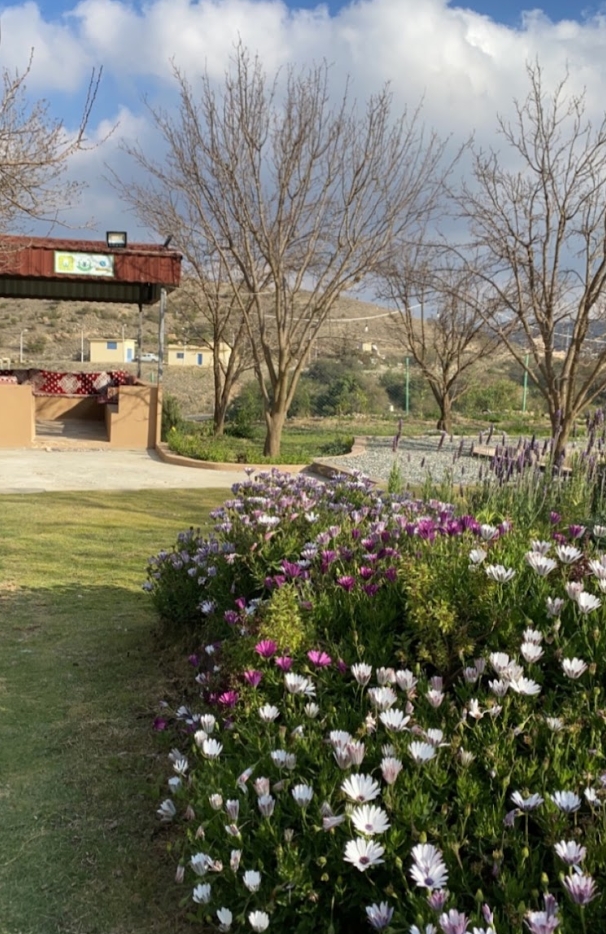
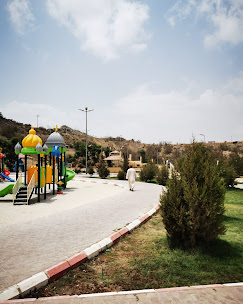
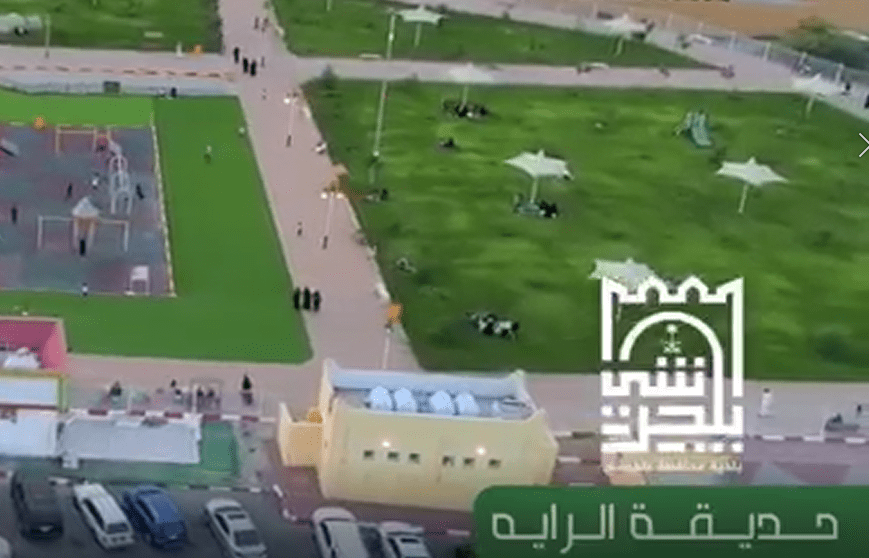
Al-Salam Park is one of the most popular recreational destinations in Baljurashi, located in the Al-Baha region of Saudi Arabia. The park features wide green spaces, a beautiful artificial lake, walking trails, dedicated children's play areas, and a variety of amenities such as family seating areas, cafés, and restaurants. It offers an ideal environment for families to enjoy quality time in a peaceful natural setting. The park is perfect for picnics, sports activities, and social gatherings. Seasonal events are also hosted in the park, attracting visitors from both the local area and beyond
Al-Wadi Al-Rifiyah Farm is located in Al-Tulaqiyah village, Baljurashi governorate in Al-Baha region. It offers a unique rural overnight experience nestled in pristine countryside . The farm provides charming, rustic accommodations ideal for families and friends, set amidst lush greenery. Visitors can reserve their stay by contacting the farm via its Snapchat profile number, enjoying a peaceful escape surrounded by natural beauty
City cleanliness level
The quality of roads within the city and attention to their maintenance
The quality and maintenance of the city's infrastructure
City lighting and maintenance
City sidewalks and their maintenance
Afforestation and caring for the city
City parks, maintenance and cleanliness
Municipal services provided by residential plans
Municipal supervision of establishments
Electronic services provided
Was this page helpful?
Your reply has been successfully sent